
 WhatsApp
 sales@dagongess.com
 +86 18137952759
Why Are Safety Systems and Compliance Technologies the Foundation of Utility-Scale Energy Storage Projects?
As energy storage systems move rapidly from pilot projects to utility-scale and gigawatt-hour deployments, safety and compliance have become the primary gating factors for project approval. In many markets, energy storage projects no longer fail due to insufficient capacity or performance—but due to non-compliant safety architecture.
For modern large-scale projects, safety is not only about accident prevention. It directly affects permitting timelines, insurance costs, financing terms, and long-term asset value. As a result, energy storage safety systems and compliance technologies now sit at the core of system-level design, rather than being added as secondary protections.
What Is an Energy Storage Safety and Compliance System?
An energy storage safety and compliance system refers to the integrated set of technologies, standards, and control logic that ensure a battery energy storage system (BESS) operates safely throughout its entire lifecycle—from manufacturing and transportation to commissioning, operation, and decommissioning.
A complete system typically includes:
Thermal runaway monitoring and early warning
Battery fire suppression systems
Explosion-proof structural and ventilation design
Multi-level electrical and mechanical interlock systems
Full lifecycle data traceability and compliance documentation
Together, these elements ensure that large-scale energy storage projects meet regulatory, insurance, and grid-connection requirements in different regions.
Thermal Runaway Early Warning: From Passive Protection to Active Prediction
Thermal runaway remains the most critical risk in lithium-based energy storage systems. Modern designs focus not only on containment but on early-stage detection and prediction.
Advanced systems combine temperature sensors, voltage deviation monitoring, gas detection, and cell-level data analysis to identify abnormal behavior before a runaway event occurs. This multi-parameter approach enables thermal runaway prevention rather than reactive mitigation.
In utility-scale systems, early warning mechanisms are closely integrated with EMS and BMS logic, allowing automated responses such as load reduction, isolation of affected modules, or controlled shutdown sequences.
By implementing thermal runaway early warning systems, energy storage operators can significantly reduce fire probability while improving compliance with international safety standards.
Battery Fire Suppression Technologies: Choosing the Right Strategy
When a battery fire does occur, suppression technology determines whether damage remains localized or escalates into a catastrophic event.
Modern utility-scale systems typically adopt one or more of the following battery fire suppression systems:
Aerosol fire suppression, suitable for enclosed battery compartments with fast response requirements
Novec or clean-agent systems, offering minimal residue and reduced secondary damage
Water-based suppression, increasingly used in large containerized systems for heat absorption and re-ignition prevention
The selection depends on system architecture, enclosure design, regulatory requirements, and environmental considerations. Importantly, fire suppression is no longer treated as a standalone subsystem—it is tightly linked with detection, ventilation, and emergency shutdown logic.
Explosion-Proof Design: Managing Gas, Pressure, and Failure Modes
Thermal runaway events often generate flammable gases and rapid pressure increases. Without proper structural planning, these conditions can lead to secondary explosions.
Explosion-proof energy storage design focuses on:
Controlled pressure relief paths
Directional venting to protect personnel and adjacent equipment
Reinforced enclosures and container structures
Coordinated ventilation and gas detection strategies
Rather than attempting to eliminate all failure risks, explosion-proof design accepts that extreme events may occur and ensures they can be safely managed without cascading damage.
This approach has become a key requirement in densely deployed energy storage installations and industrial applications.
Multi-Level Interlock Systems: Preventing Human and System Errors
As energy storage systems grow in size and complexity, human error becomes a significant operational risk. Energy storage interlock systems are designed to prevent unsafe operations by enforcing predefined safety logic.
Typical interlock layers include:
Electrical interlocks preventing unsafe switching or maintenance actions
Mechanical interlocks ensuring correct access sequences
Software interlocks embedded in BMS, EMS, and PCS logic
Emergency interlocks triggered by abnormal system conditions
By implementing multi-level interlock architectures, modern energy storage systems reduce reliance on procedural controls and significantly improve operational safety.
Full Lifecycle Data Traceability: Compliance Beyond Commissioning
Compliance does not end when a system is energized. Increasingly, regulators and insurers require full lifecycle traceability of energy storage assets.
This includes:
Cell and module manufacturing records
Transportation and installation data
Commissioning test results
Operational performance and safety logs
Maintenance and incident history
Full lifecycle data traceability enables transparent audits, supports insurance claims, and provides a foundation for predictive maintenance and asset optimization. It also allows energy storage projects to adapt more easily to evolving regulatory frameworks.
Why Compliance-First Design Determines Project Viability
For large-scale energy storage projects, compliance-first design is no longer a conservative choice—it is a commercial necessity.
Projects with robust safety and compliance systems typically benefit from:
Faster permitting and grid approval
Lower insurance premiums
Improved financing conditions
Higher long-term asset value
Reduced operational and reputational risk
In contrast, systems that treat safety as an afterthought often face costly retrofits, delayed deployments, or outright rejection by authorities.
Safety Architecture in Modern Utility-Scale Energy Storage Systems
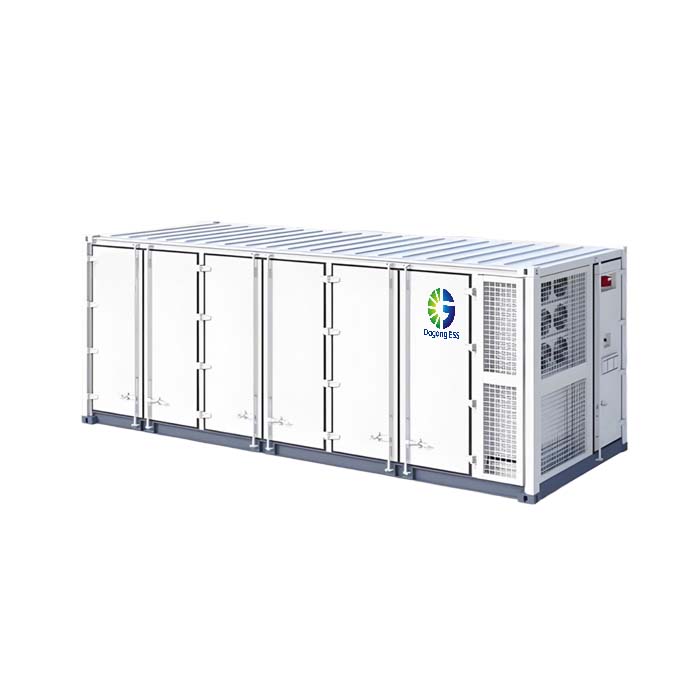
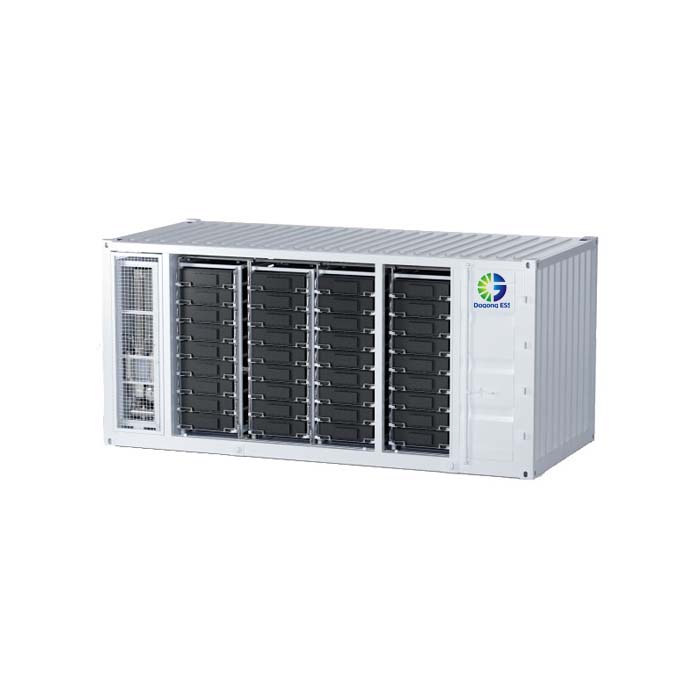
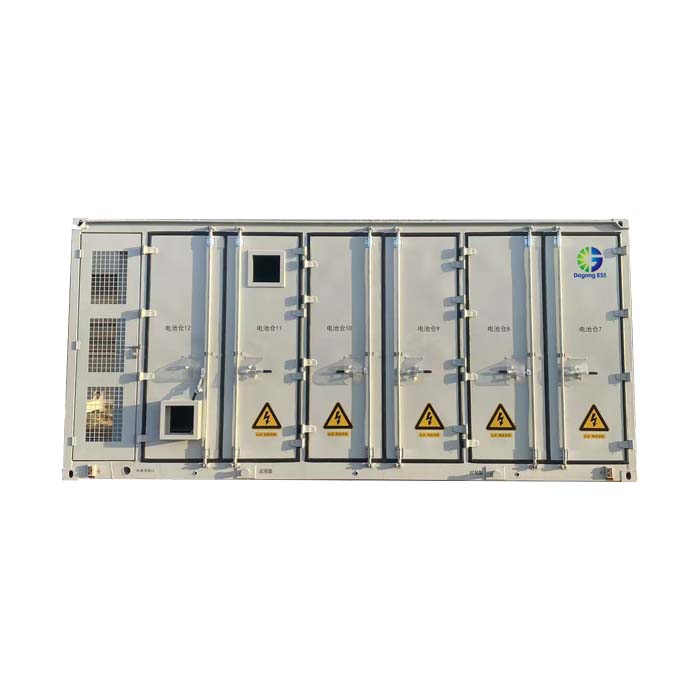
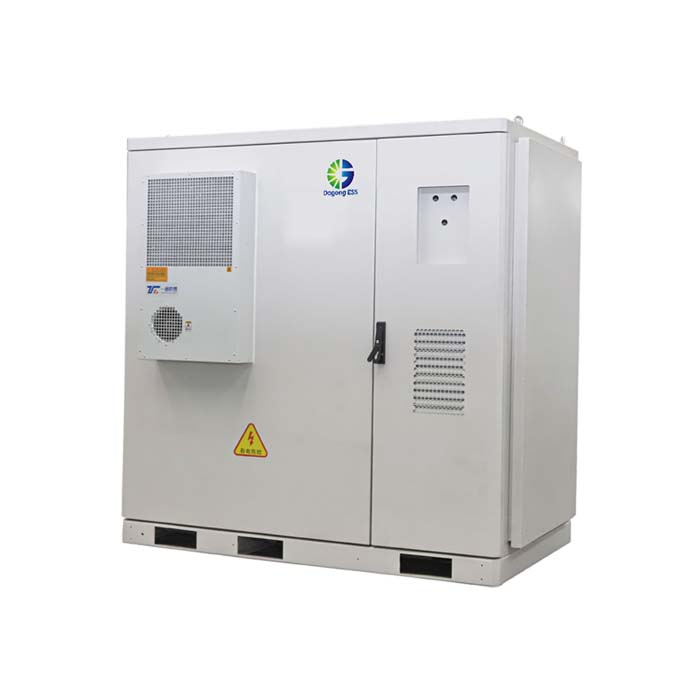
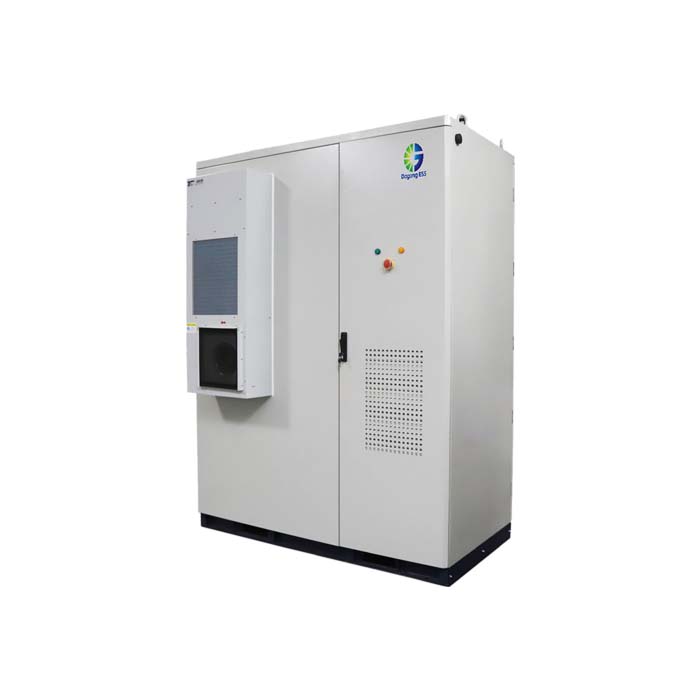
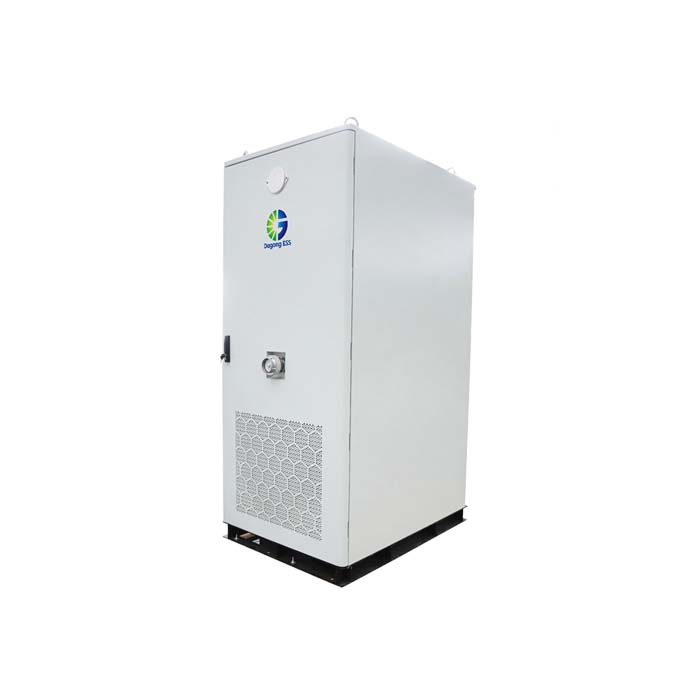
In practice, safety and compliance technologies are deeply embedded in modern utility-scale energy storage systems. Whether air-cooled or liquid-cooled, containerized or cabinet-based, large-capacity systems increasingly adopt standardized safety architectures that scale with system size.
For example, air-cooled systems in the 100kWh–400kWh range emphasize compartment-level detection and suppression, while liquid-cooled megawatt-hour systems integrate centralized monitoring, distributed sensors, and advanced interlock logic to manage higher energy density.
The Supplier Perspective: From Technology to Engineering Discipline
A reliable energy storage supplier must demonstrate more than individual safety features. What matters is the system-level integration capability, including compliance with international standards, engineering validation, and long-term service support.
In this context, companies like Dagong ESS focus on integrating thermal management, fire suppression, explosion-proof design, interlock systems, and lifecycle data platforms across their product portfolio. From air-cooled commercial systems to liquid-cooled utility-scale and containerized solutions, safety architecture is treated as a foundational engineering discipline rather than an optional add-on.
Safety Enables Scale, Compliance Enables Deployment
As energy storage continues to scale globally, the industry is moving toward a clear consensus: only systems designed with compliance-first safety architectures can be deployed at scale.
Thermal runaway prevention, fire suppression, explosion-proof design, interlock systems, and lifecycle traceability are no longer differentiators—they are prerequisites. Together, they determine whether energy storage can truly transition from experimental infrastructure to bankable, insurable, and long-term energy assets.
If you are interested in energy storage safety and compliance solutions, please contact Dagong ESS,
Email: sales@dagongess.com