
 WhatsApp
 sales@dagongess.com
 +86 18137952759
Why Are Energy Storage Systems Scaling from kWh to GWh?
Large-scale energy storage systems (ESS) are designed to store and deliver electricity at utility or industrial scale, bridging the gap between renewable generation and energy demand.
For example, Canada recently broke ground on its largest battery system at 1.86 GWh, demonstrating a global trend toward GWh-scale energy storage.
Large-scale ESS is critical for:
Smoothing variable renewable output
Providing grid ancillary services
Shifting peak loads
Supporting decarbonization goals
Types of Large-Scale ESS
Scaling ESS from kWh to GWh requires modular and containerized approaches.
Common types include:
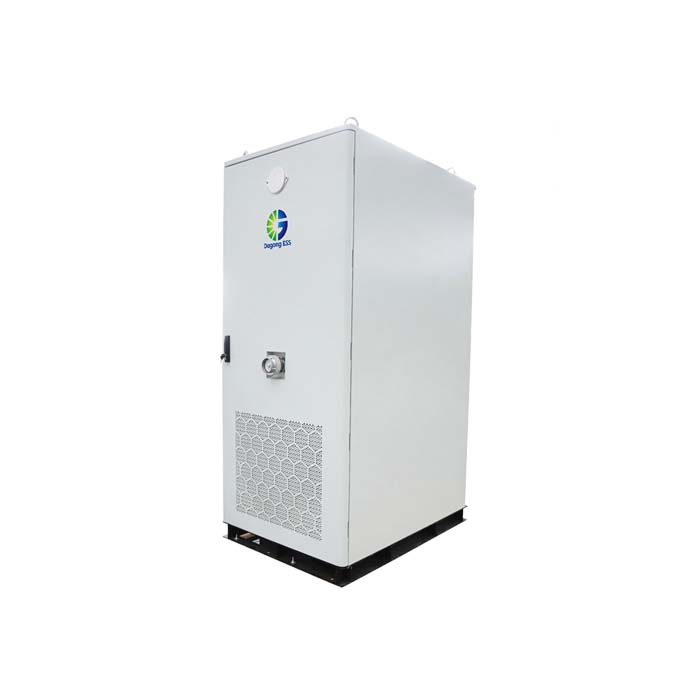
Rack-mounted ESS (5–30 kWh) for residential and small commercial sites
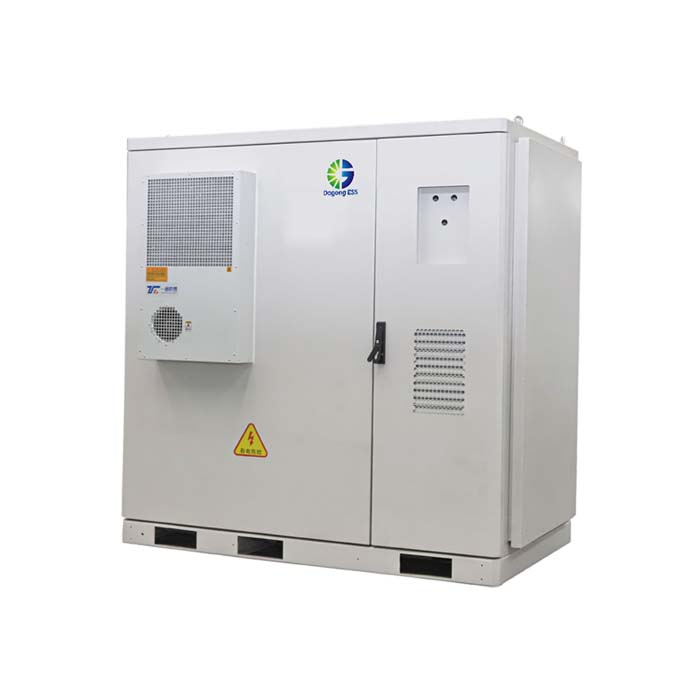
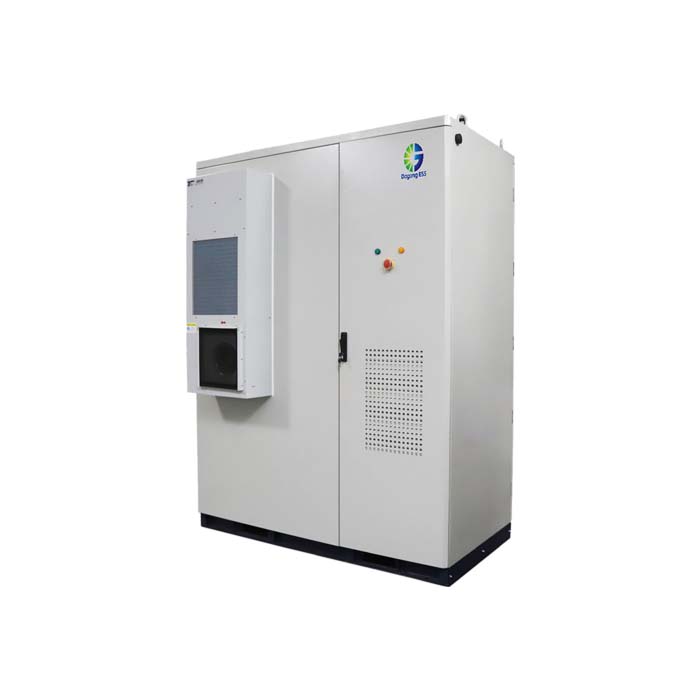
C&I Air-Cooled Systems (100–241 kWh)
Liquid-Cooled Industrial ESS (215–372 kWh)
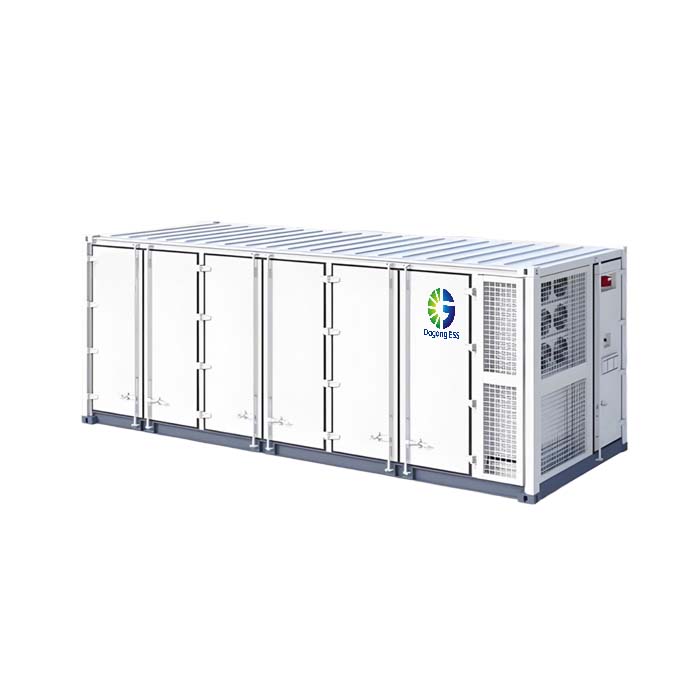
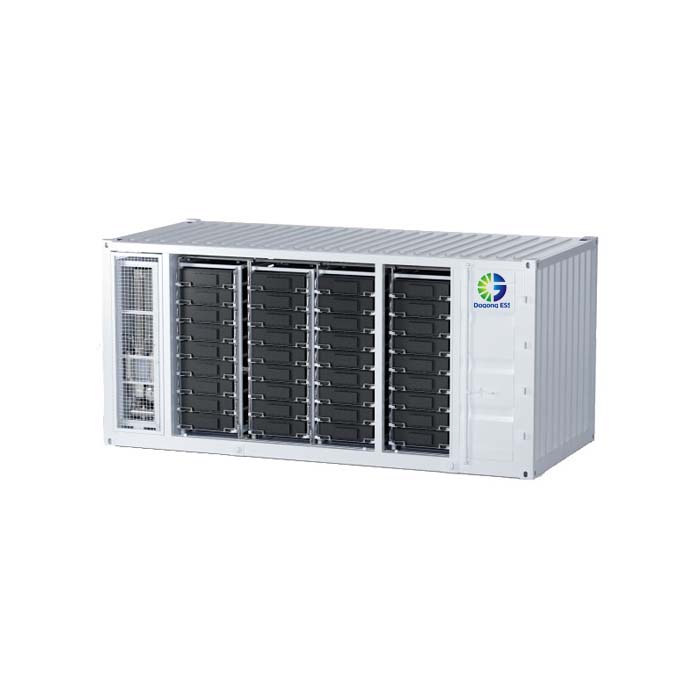
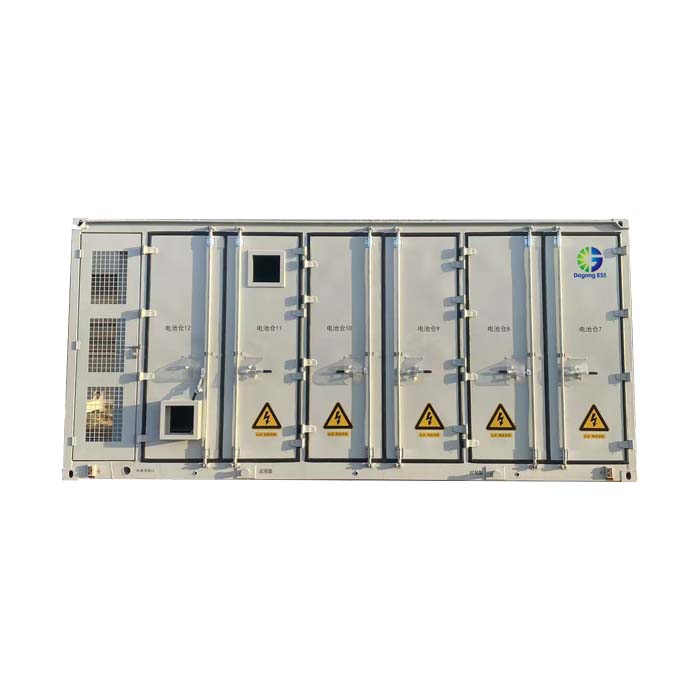
Containerized ESS (3.35–5 MWh) for utility-scale projects
Containerized systems enable easier transportation, modular expansion, and rapid on-site deployment.
Features of Scalable ESS
Key technical features enabling scale-up:
Modular architecture for flexible sizing
Interchangeable air-cooled or liquid-cooled modules
Advanced BMS and remote monitoring
High cycle life (8000+ cycles)
Compatibility with multiple applications: solar, wind, hybrid
Large-scale ESS such as 3.35 MWh liquid-cooled containers or 5 MWh air-cooled containers ensure efficient energy distribution across MW–GWh projects.
Applications of Large-Scale ESS
Large-scale ESS applications include:
Utility-scale renewable integration
Microgrids and islanded communities
Industrial peak shaving and backup
Energy trading and arbitrage
Grid stabilization and frequency control
Modular systems like 215kWh air-cooled ESS can be combined to reach hundreds of MWh, while containerized solutions like 5MWh air-cooled ESS are ideal for multi-MWh projects.
Price of Large-Scale ESS
Prices depend on:
System size and capacity
Cooling method
Integration complexity
Certification and safety standards
Integrators provide custom quotations after evaluating project specifications including energy throughput, discharge duration, and installation site.
How to Select Large-Scale ESS?
Considerations for scaling up:
Desired storage capacity (kWh → MWh → GWh)
Cooling compatibility with local climate
Modularity and expandability
Integration with renewable assets
Maintenance and serviceability
Industrial liquid-cooled ESS modules (215kWh, 372kWh) are recommended for high-density deployment, while containerized systems (3.35–5 MWh) are suitable for utility-scale expansion.
How Long Do Large-Scale ESS Last?
Modern LFP-based ESS:
8000+ cycles
15–20 years operational life
Low degradation rate
This lifespan ensures return on investment for utility-scale and industrial projects.
The Supplier of Large-Scale ESS
Key supplier capabilities:
Provide modular MW–GWh scale solutions
Support both air-cooled and liquid-cooled technologies
Deliver reliable LFP battery systems with long life
Offer complete project engineering and commissioning support
Dagong ESS offers a full range of solutions from 100kWh–372kWh modules to 3.35–5MWh containerized systems, meeting diverse large-scale project requirements worldwide.
If you are interested in large-scale energy storage system products, please contact Dagong ESS,Email: sales@dagongess.com