
 WhatsApp
 sales@dagongess.com
 +86 18137952759
Which Users Benefit Most from Solar PV Combined with Energy Storage?
The combination of solar photovoltaic (PV) systems and energy storage solutions has become one of the fastest-growing trends in global renewable energy. While solar power alone helps reduce electricity costs, pairing it with an energy storage system (ESS) dramatically improves energy availability, stability, and economic performance. For many commercial, industrial, and utility-scale users, solar-plus-storage is no longer optional—it has become a strategic investment that ensures reliable, low-cost power throughout the day.
What Is a Solar-Plus-Storage System?
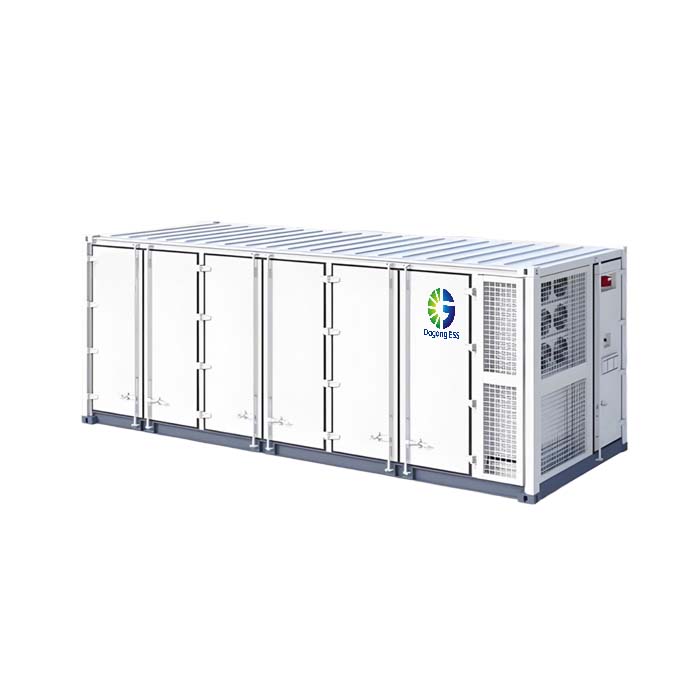
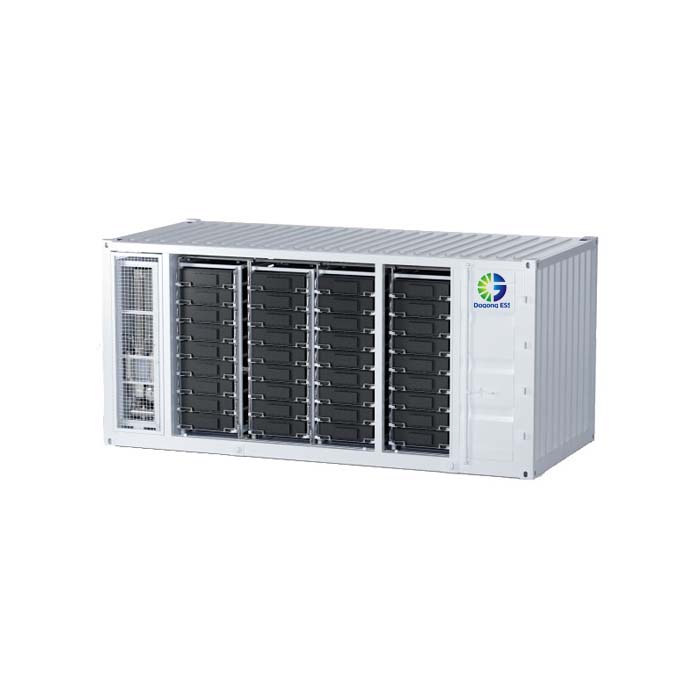
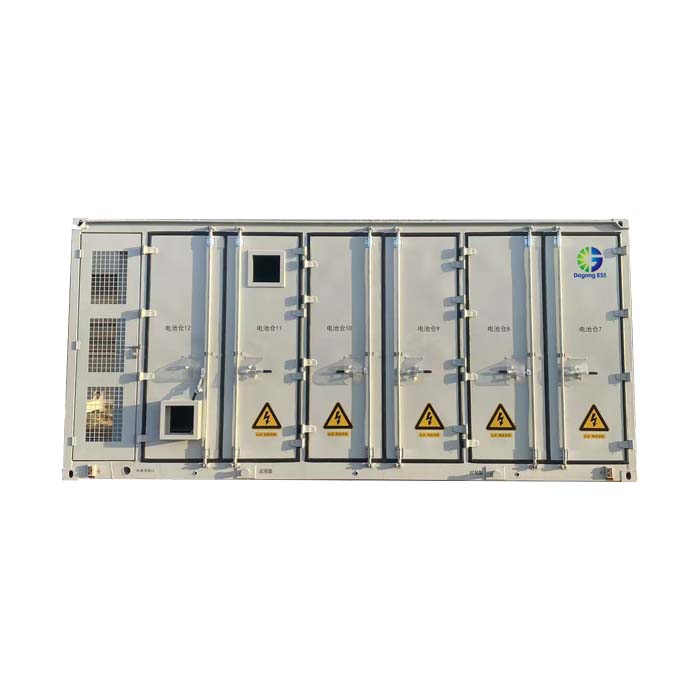
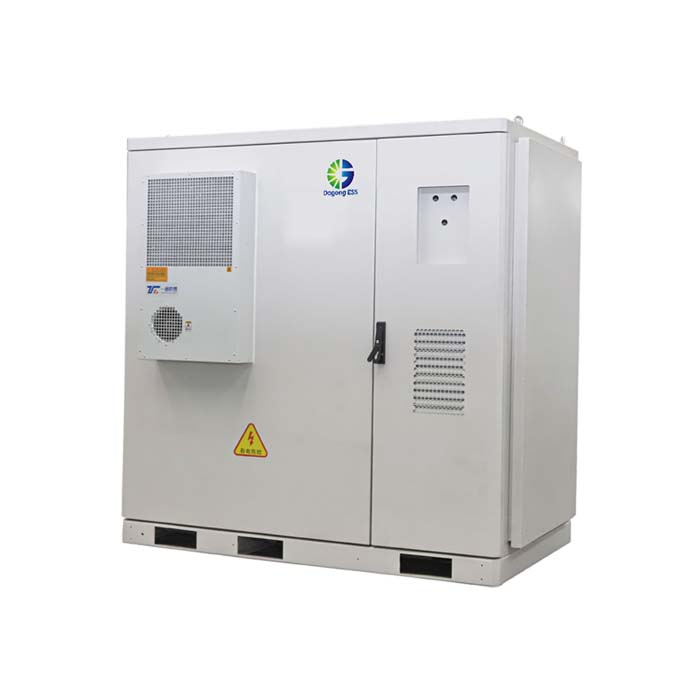
A solar-plus-storage system integrates photovoltaic generation with an energy storage unit capable of storing excess solar energy and releasing it when required. Most modern systems rely on LFP (lithium iron phosphate) batteries due to their long cycle life, strong safety profile, and excellent thermal stability. Depending on project size and requirements, solar farms and commercial sites may choose 144kWh–416kWh air-cooled ESS, 241kWh–372kWh liquid-cooled ESS, or even 1.2MWh and 5MWh container ESS solutions.
Unlike traditional solar systems, solar-plus-storage allows users to flatten demand peaks, maintain continuous production during grid outages, and increase the self-consumption ratio of renewable energy. This combination is particularly valuable for regions with unstable grids, high industrial tariffs, or time-of-use pricing.
Why Solar PV with Energy Storage Is Important
Solar panels only generate power when sunlight is available, which naturally limits their ability to support 24-hour operations. By integrating energy storage, users gain a range of critical benefits:
Stable energy supply even after sunset
Reduced peak electricity bills through load shifting
Improved power quality for sensitive equipment
Reduced dependence on diesel generators
Higher renewable energy utilization
Enhanced resilience in unstable grid environments
Because of these advantages, solar-plus-storage systems are especially suitable for users with strict energy-reliability requirements or high daily energy consumption.
Who Should Install Solar PV with Energy Storage?
Below are the major user groups that benefit the most from combining solar PV and battery storage.
1. Industrial Facilities with High Peak Loads
Factories, processing plants, mining facilities, and heavy-manufacturing sites often face volatile electricity prices, especially during peak hours. Energy-intensive equipment such as compressors, motors, and welding devices create significant load fluctuations.
Solar-plus-storage helps industrial users:
shave peak demand charges
stabilize voltage and frequency
ensure continuous operation during grid interruptions
reduce long-term energy cost volatility
Many industrial facilities choose container ESS systems (1.2MWh or 5MWh) because they offer high capacity, easy deployment, and rapid scalability. In hot environments or sites with high discharge rates, 241kWh–372kWh liquid-cooled ESS provides better thermal performance and longer battery lifespan.
2. Commercial Buildings with High Electricity Consumption
Shopping malls, data centers, cold storage warehouses, office complexes, and hospitality facilities consume large amounts of electricity throughout the day. Time-of-use tariffs often significantly increase operating costs during afternoon and evening peaks.
Energy storage offers these users:
more predictable operating expenses
backup power for critical services
improved power factor and reduced grid dependency
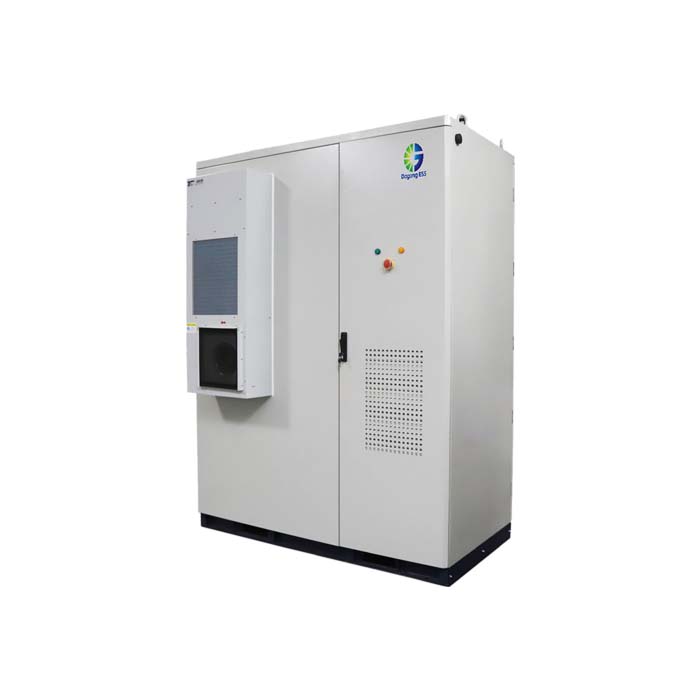
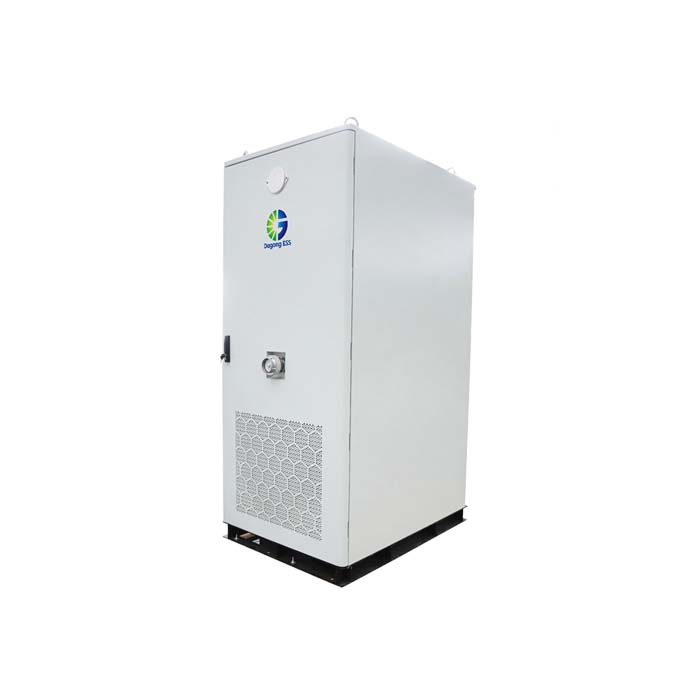
Commercial buildings often install 144kWh–416kWh air-cooled ESS cabinets, which are easier to maintain and sufficient for mid-scale applications.
3. Remote and Off-Grid Areas
Remote villages, agricultural sites, communication stations, islands, and mining operations often experience limited or no connection to the power grid. Diesel generators, traditionally used as the primary energy source, face challenges such as fuel cost increases and unstable supply chains.
Solar-plus-storage systems provide:
reliable 24-hour off-grid power
significantly lower operating costs compared to diesel
reduced noise and emissions
improved long-term energy independence
In these environments, containerized ESS solutions are preferred for their long autonomy duration and rapid installation.
4. Regions with Weak Grids or Frequent Power Outages
In many regions of Southeast Asia, Africa, Latin America, and the Middle East, users suffer from unstable voltage, unexpected blackouts, and limited grid infrastructure.
Energy storage can:
provide seamless backup power
improve power stability for sensitive equipment
prevent production downtime
absorb renewable intermittency
Liquid-cooled ESS configurations are particularly useful in areas where ambient temperatures are high and voltage fluctuations are common.
5. Solar Farm Developers and Utility-Scale Projects
Ground-mounted PV projects increasingly deploy energy storage to meet grid requirements such as:
peak shaving
frequency regulation
ramp-rate control
renewable smoothing
spinning reserve support
For utility-scale operations, 1.2MWh and 5MWh container ESS units allow fast integration, reduce installation complexity, and support multi-megawatt configurations.
Advantages of Energy Storage for These User Groups
While motivations vary by industry, the overall advantages of solar-plus-storage include:
Lower energy bills
Greater energy independence
Higher renewable penetration
Improved power reliability and quality
Reduced carbon footprint and ESG compliance
Optimized use of daytime solar generation
The ability to shift solar energy into evening hours significantly increases the value of every kilowatt-hour produced.
How Long Does a Solar-Plus-Storage System Last?
Modern LFP-based energy storage systems typically deliver:
6000–10000 cycles
12–15+ years lifespan
Stable operation under a wide range of temperatures
Advanced thermal management—such as air-cooled and liquid-cooled ESS—helps prolong battery life and maintain operational efficiency.
Solar PV combined with energy storage is a highly effective solution for industrial users, commercial buildings, off-grid sites, weak-grid regions, and utility-scale solar developers. Whether the need is to reduce energy costs, improve power stability, or ensure 24-hour operation, solar-plus-storage provides a practical, scalable path toward reliable renewable energy.
Many companies turn to experienced ESS manufacturers for technical guidance when selecting between 144kWh–416kWh air-cooled systems, 241kWh–372kWh liquid-cooled batteries, or large 1.2MWh–5MWh container ESS units. A knowledgeable supplier such as Dagong ESS can help assess load profiles, environmental conditions, and project goals to recommend a system configuration that ensures long-term performance and stability.