
 WhatsApp
 sales@dagongess.com
 +86 18137952759
What Is the 80/20 Rule for Batteries and Why Does It Matter for Energy Storage Systems?
In the world of energy storage systems (ESS), battery performance and reliability are critical for both residential and commercial applications. One key concept that often comes up in battery management is the 80/20 rule, sometimes also referred to as the Pareto principle applied to batteries. This rule helps engineers, system integrators, and end-users understand how a small fraction of batteries can significantly impact the overall performance of the energy storage system.
Simply put, the 80/20 rule for batteries suggests that roughly 20% of cells in a battery pack can account for 80% of the variability in performance or capacity degradation. This means that even if most of the batteries are performing optimally, a few underperforming cells can cause disproportionate issues, such as reduced usable capacity, decreased cycle life, and imbalanced charge/discharge behavior.
Understanding the Battery 80/20 Rule in ESS
The impact of the 80/20 rule becomes evident in systems where multiple battery cells are connected in series or parallel, as in commercial and industrial ESS projects. When a few cells deviate from the expected voltage, internal resistance, or capacity, they can limit the performance of the entire pack.
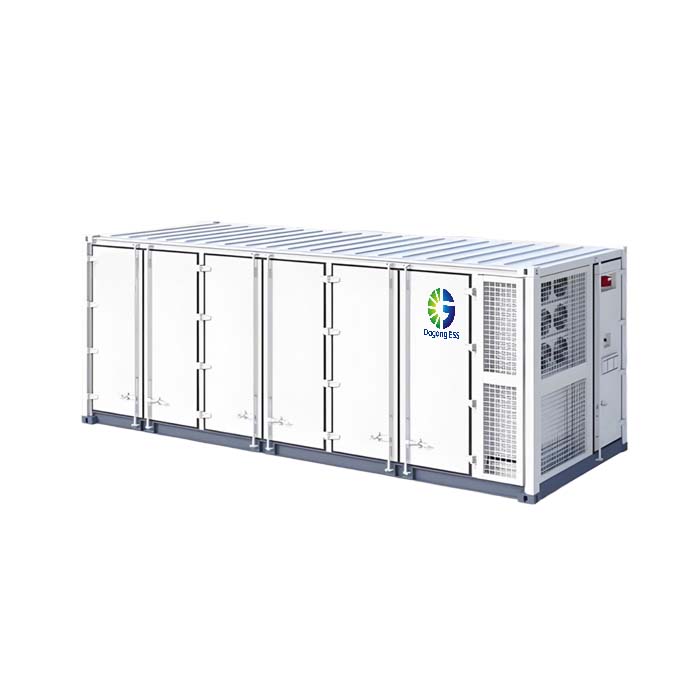
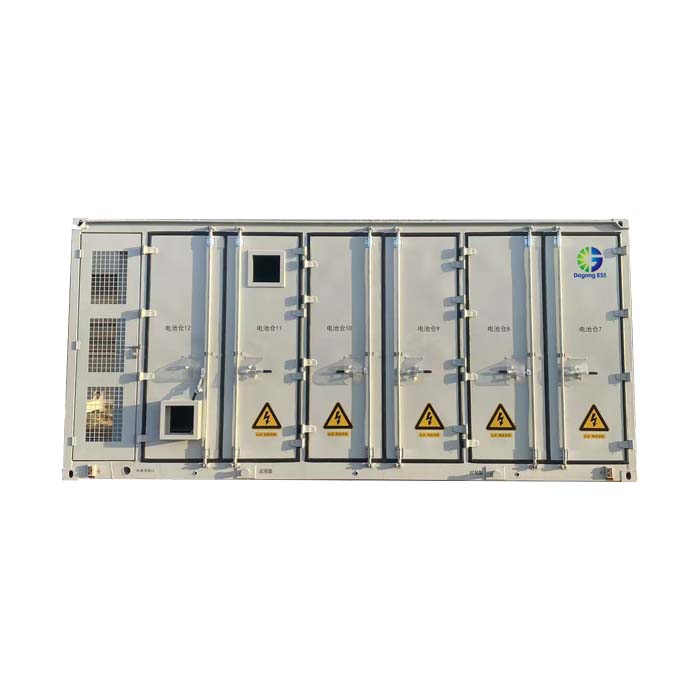
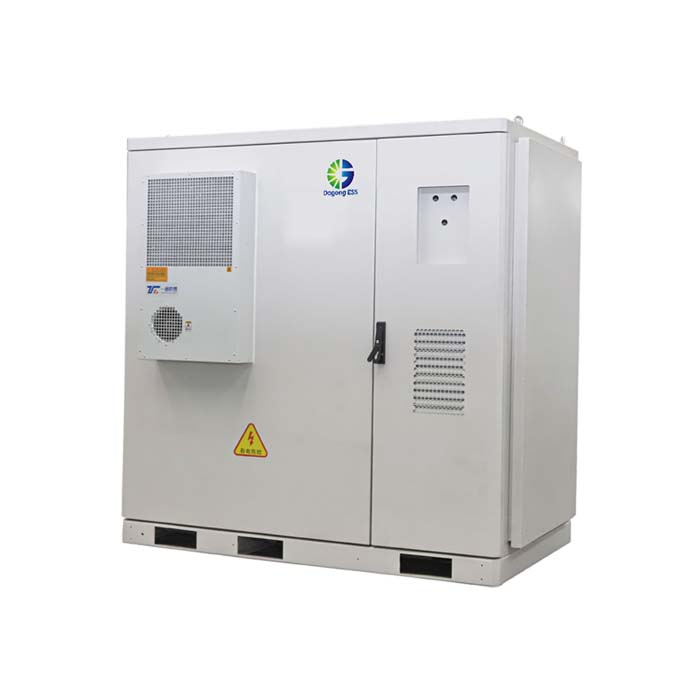
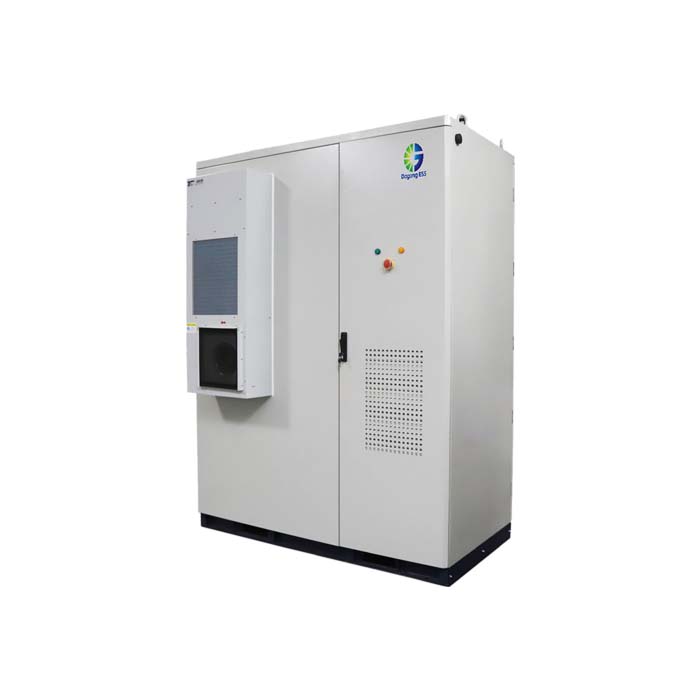
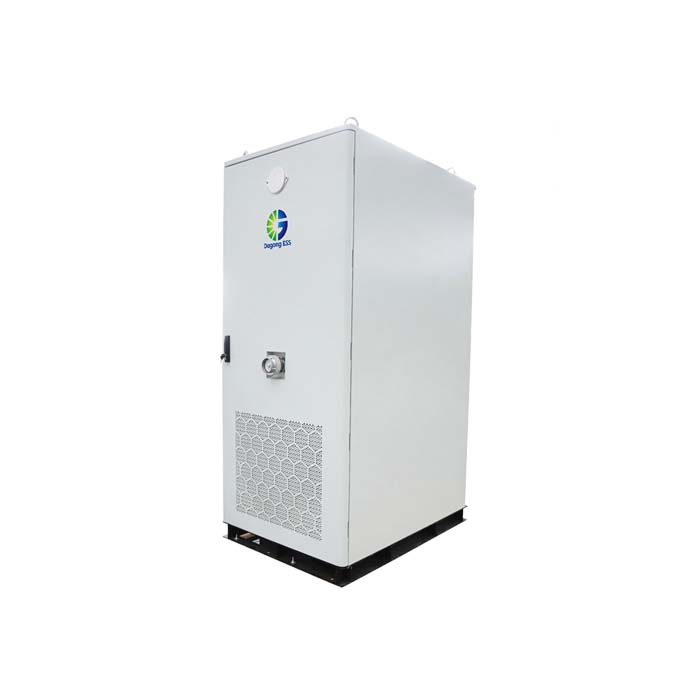
For example, in a Dagong ESS 144–416kWh air-cooled system or a 241–372kWh liquid-cooled system, battery inconsistency can cause:
Reduced usable energy output
Uneven charging and discharging, leading to premature cycle degradation
Imbalanced battery management system (BMS) interventions, increasing maintenance needs
Understanding this principle allows system designers to focus on critical cells that have a larger impact on performance, improving the overall reliability and lifetime of the ESS.
Battery Consistency and Performance Optimization
Maintaining battery consistency is key to achieving high performance in energy storage systems. In practical terms, it means selecting and pairing batteries with closely matched characteristics:
Voltage levels
Internal resistance
Capacity
State of health (SOH)
By focusing on these parameters, integrators can reduce the negative effects highlighted by the 80/20 rule. This ensures that commercial hybrid inverters or PCS systems can operate efficiently, maintaining predictable energy output and safeguarding investment in the long term.
Strategies to ensure battery uniformity include:
Pre-testing and sorting batteries before assembly into modules or packs.
Using advanced BMS algorithms to balance charge and discharge cycles.
Implementing thermal management systems such as Dagong ESS liquid-cooled modules to maintain uniform temperature across all cells.
Periodic monitoring and recalibration to detect underperforming cells early.
How the 80/20 Rule Affects Energy Storage System Design
The principle of the 80/20 rule directly influences ESS design decisions:
Series vs. Parallel Configuration: Ensuring that cells are grouped into modules in a way that minimizes the impact of underperforming batteries.
Capacity Oversizing: Incorporating additional capacity or redundancy to mitigate performance degradation caused by the weakest cells.
Maintenance Planning: Targeting the small fraction of problematic cells can prevent large-scale performance loss, reducing downtime and operational costs.
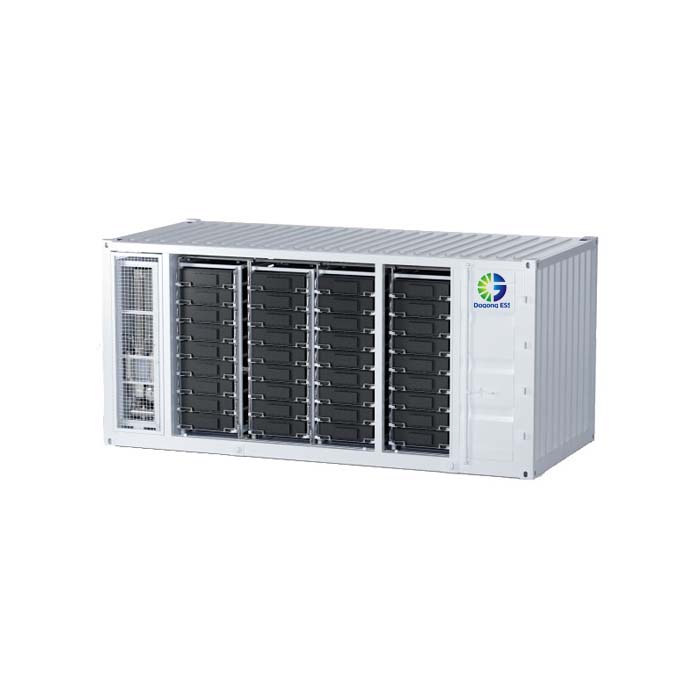
For instance, Dagong ESS 144–416kWh air-cooled systems allow modular expansion and independent battery monitoring. This design approach mitigates risks highlighted by the 80/20 rule, as each module can be individually serviced or replaced without affecting the entire system.
Strategies to Ensure Battery Uniformity in Dagong ESS Systems
Dagong ESS implements several measures to address battery consistency issues identified by the 80/20 rule:
Precision Cell Matching: Batteries are screened and grouped to ensure matched voltage, capacity, and internal resistance.
Advanced BMS Integration: Real-time monitoring allows the system to balance charge and discharge across all modules, optimizing performance.
Thermal Control: Both air-cooled and liquid-cooled systems maintain uniform temperature, reducing stress and prolonging cycle life.
Modular Design: Independent replacement of underperforming modules minimizes downtime and protects overall system efficiency.
These strategies ensure that the small number of underperforming cells does not compromise the entire ESS, aligning with the principles of the 80/20 rule.
Impact of Battery Variability on Commercial and Industrial ESS
In commercial and industrial BESS applications, energy storage systems often operate under high cycling rates and fluctuating load demands. Variability in battery performance can lead to:
Reduced system energy throughput
Unstable interaction with hybrid inverters or PCS
Higher operational and maintenance costs
By addressing the 80/20 rule, businesses can improve energy storage ROI, enhance operational reliability, and reduce long-term costs. For example, pairing Dagong ESS 241–372kWh liquid-cooled ESS with hybrid inverters allows seamless operation in mid-sized commercial facilities while maintaining predictable performance.
Applying the 80/20 Rule to Maximize Battery Life
Practical application of the battery 80/20 rule involves:
Regular cell monitoring to identify the small fraction of underperforming cells
Proactive replacement or recalibration to prevent them from limiting pack performance
Strategic system design that isolates underperforming cells and maintains consistent output
This approach ensures that businesses can leverage full system capacity without being constrained by a few weak cells. In combination with Dagong ESS modular systems, operators can optimize energy storage management with hybrid inverters while extending battery lifetime.
Driving Smarter Energy Storage Decisions
Understanding the 80/20 rule for batteries empowers system designers, operators, and integrators to:
Design mid-sized commercial ESS with optimal performance
Implement battery consistency strategies for long-term reliability
Maximize investment return and energy efficiency
By integrating Dagong ESS air-cooled or liquid-cooled modules, companies can create robust, scalable, and cost-effective energy storage solutions tailored to C&I applications.
Maximizing Battery Performance and Reliability with Dagong ESS
By focusing on battery consistency and applying the 80/20 principle, businesses can safeguard their ESS against premature capacity loss, imbalance, or inefficiency. Dagong ESS solutions—from 144–416kWh air-cooled Energy Storage Systems to 241–372kWh liquid-cooled modules—offer modular, monitored, and optimized performance to mitigate the impact of the small fraction of underperforming cells.
If you are interested in Dagong ESS energy storage solutions and learning more about how to optimize battery consistency and performance, you are welcome to contact Dagong ESS via Email: sales@dagongess.com