
 WhatsApp
 sales@dagongess.com
 +86 18137952759
What Is a Battery Cell Contact System (CCS) in Energy Storage?
A Battery Cell Contact System (CCS) is a core electrical connection and signal acquisition component used inside lithium battery modules. It integrates conductive busbars, signal circuits, insulation layers, and structural parts into a compact module.
The CCS performs several essential functions:
Cell series and parallel connection
Voltage sampling for each cell
Temperature sensing through NTC sensors
Overcurrent protection through fuse structures
Signal transmission to the Battery Management System (BMS)
In traditional battery packs, these functions were handled by separate components and wiring harnesses. This approach increased assembly complexity, required more space, and raised the risk of connection failures. Modern CCS designs integrate these functions into a single structure, improving reliability and enabling more compact battery module layouts.
In energy storage systems, where modules often operate continuously for years, stable signal acquisition and electrical connections are critical. CCS solutions help maintain consistent performance, support accurate BMS control, and enhance overall system safety.
Types of Battery Cell Contact Systems
Modern CCS solutions are available in several configurations, each designed for different cost, performance, and manufacturing requirements:
Wire Harness CCS
Uses traditional wiring for voltage and temperature signals. It is a mature, cost-effective solution.PCB-Based CCS
Integrates signal circuits onto a printed circuit board for improved automation and compact design.FPC CCS (Flexible Printed Circuit)
Uses flexible circuits for lightweight, high-integration designs.FFC CCS (Flexible Flat Cable)
Employs flat cable structures suitable for long or large battery modules.FDC CCS (Flexible Die-Cut Circuit)
Uses die-cut flexible circuits to reduce manufacturing cost and improve production efficiency.FCC Hybrid CCS
Combines FFC with FPC or FDC structures to achieve cost reduction and improved integration.
Each configuration offers different advantages in terms of weight, cost, integration level, and production automation.
Features of Battery Cell Contact Systems
Integrated CCS designs offer several important technical and manufacturing benefits.
Compact Integration
Busbars, signal circuits, insulation, and structural supports are combined into a single module, reducing the number of separate parts.Stable Electrical Performance
Integrated conductive paths reduce connection points and improve reliability.Accurate Signal Acquisition
Voltage and temperature signals are collected directly at the cell level and transmitted to the BMS.Reduced Wiring Complexity
Compared with traditional harness-based solutions, CCS reduces the amount of internal wiring.Support for Automated Assembly
Many CCS types are designed for automated production lines, improving efficiency and consistency.Customizable Designs
CCS layouts can be tailored to different battery module sizes, cell arrangements, and system requirements.
Applications of Battery Cell Contact Systems
CCS components are widely used in modern lithium battery applications, especially in energy storage systems where reliability and long service life are essential.
Typical applications include:
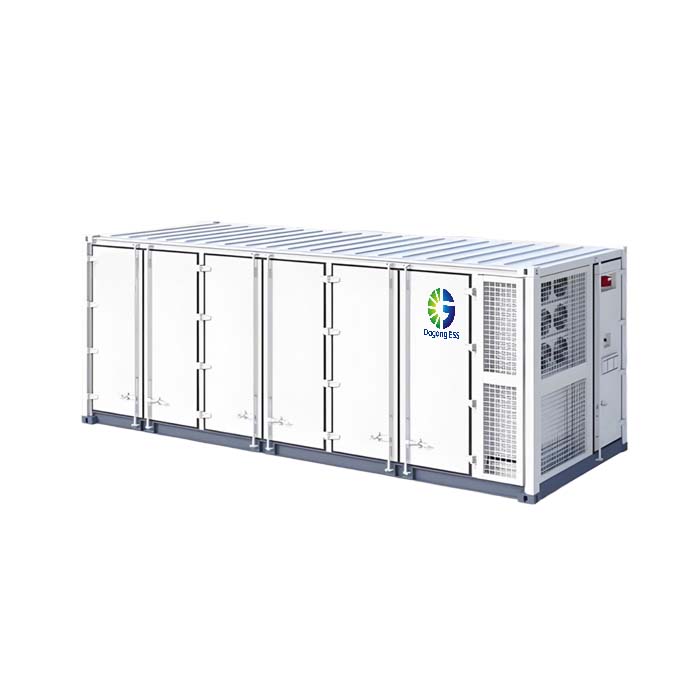
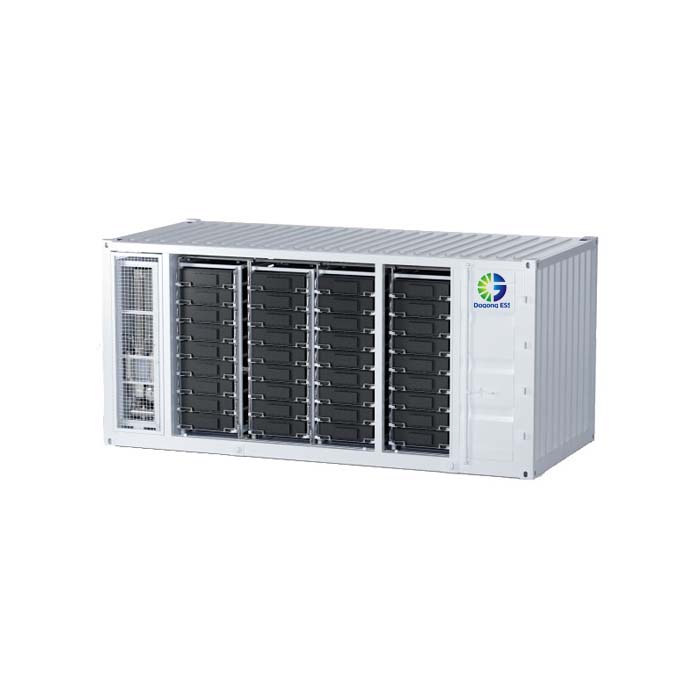
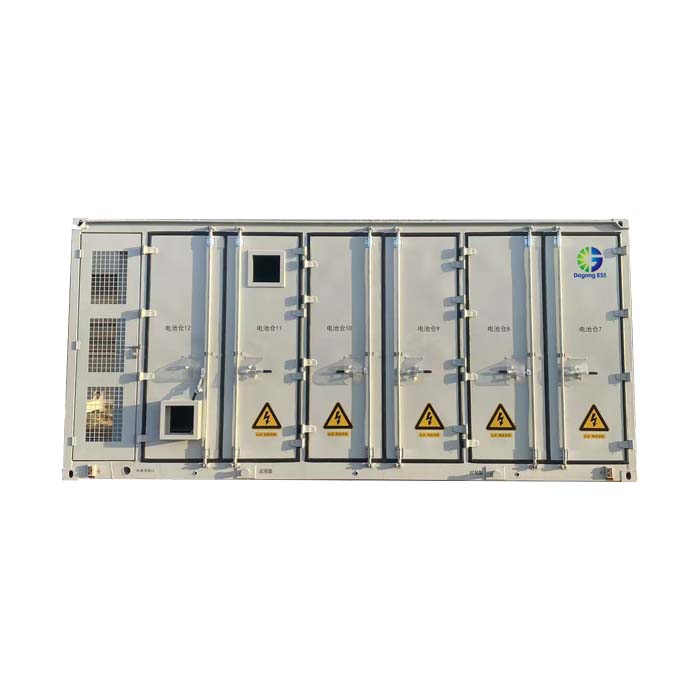
Containerized ESS platforms
Grid-scale lithium battery systems
Electric vehicle battery packs
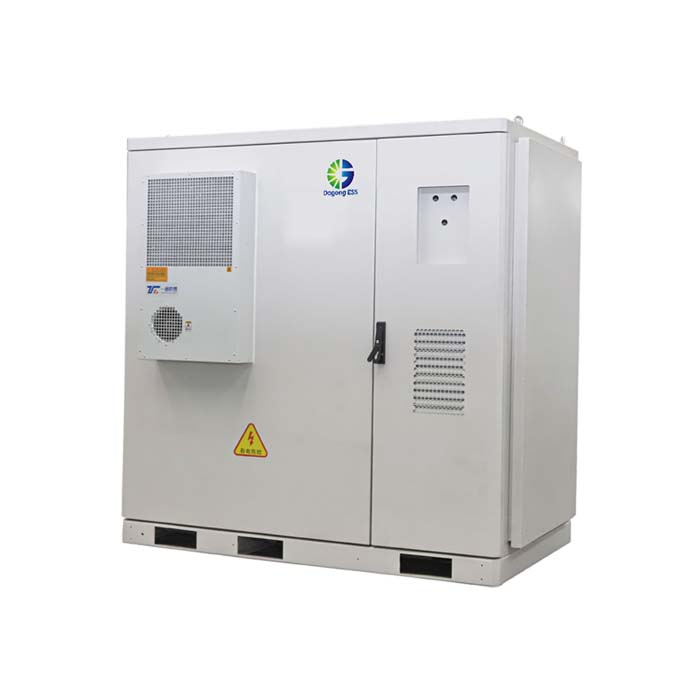
High-capacity battery cabinets
In these applications, CCS ensures accurate signal transmission and stable electrical connections, supporting safe and efficient system operation.
Price of Battery Cell Contact Systems
The cost of energy storage systems for renewable energy integration depends on several factors, including system capacity, storage duration, battery type, control software, installation conditions, and auxiliary equipment.
Pricing is usually quoted under international trade terms such as EXW, FOB, or CIF, depending on project location and logistics preferences. For a tailored quotation based on your specific project needs, it's best to consult directly with the supplier.
How to Select a CCS for Your Project?
When selecting a CCS solution, several factors should be considered:
Battery Module Structure
Different module layouts may require different CCS configurations.Production Volume
High-volume production often favors automated solutions like FPC or FDC.Weight and Space Requirements
Lightweight designs may require flexible circuit solutions.Signal Accuracy Requirements
High-precision applications may benefit from integrated circuit-based CCS.Cost Targets
Wire harness or FDC solutions may offer better cost efficiency.
The Supplier of Battery Cell Contact Systems
Integrated CCS solutions are supplied by manufacturers specializing in energy storage components and battery module structures. These solutions are commonly used in modern ESS platforms, including large-capacity air-cooled and liquid-cooled storage systems.
If you are interested in CCS products or would like to learn more about battery module connection solutions, please contact sales@dagongess.com for further information.