
 WhatsApp
 sales@dagongess.com
 +8618137952759
What Does a Lithium Battery Stainless Steel Belt Do in Energy Storage Systems?
A Lithium Battery Stainless Steel Belt is a high-strength fastening component used to secure battery cells or module assemblies within an energy storage system (ESS). Typically made from corrosion-resistant stainless steel, it wraps around cell stacks or module frames to maintain consistent mechanical compression.
While often considered a simple structural accessory, the stainless steel belt plays a critical role in maintaining module stability throughout the system’s lifecycle. In large-format lithium iron phosphate (LFP) battery systems, mechanical integrity directly affects safety performance, cycle life, and thermal consistency.
Why Is Mechanical Compression Important?
Lithium battery cells expand and contract slightly during charge and discharge cycles. Over thousands of cycles, even minimal dimensional changes can create cumulative mechanical stress.
Without proper structural restraint:
Micro-movement can fatigue welded joints
Internal resistance may increase
Cell alignment may shift
Thermal distribution may become uneven
Long-term structural deformation may occur
Controlled compression helps:
Maintain uniform internal contact
Reduce mechanical stress on electrode layers
Improve vibration resistance
Stabilize electrical connection reliability
In industrial ESS systems designed for 8000+ cycles and 15+ years of operation, structural compression must remain stable over long periods. Stainless steel belts provide that durability due to their high tensile strength and fatigue resistance.
What Makes Stainless Steel Suitable for ESS Applications?
Stainless steel is widely used in energy storage structural components because of:
High Tensile Strength
It maintains compression force even under repeated expansion-contraction cycles.
Corrosion Resistance
ESS installations may operate in industrial, coastal, or humid environments. Stainless steel resists oxidation and corrosion, supporting long-term reliability.
Thermal Stability
It performs reliably across a wide temperature range without significant mechanical degradation.
Fatigue Resistance
In systems exposed to vibration—such as containerized ESS during transportation—fatigue resistance is essential.
How Is the Stainless Steel Belt Used in Different ESS Scales?
1. Residential Energy Storage Systems
In compact residential systems such as 5kWh–80kWh stackable configurations, space efficiency is critical. Stainless steel belts provide structural reinforcement without adding excessive volume or weight. They help maintain module integrity in wall-mounted and rack-mounted battery systems.
2. Commercial & Industrial ESS
In medium-scale systems like the
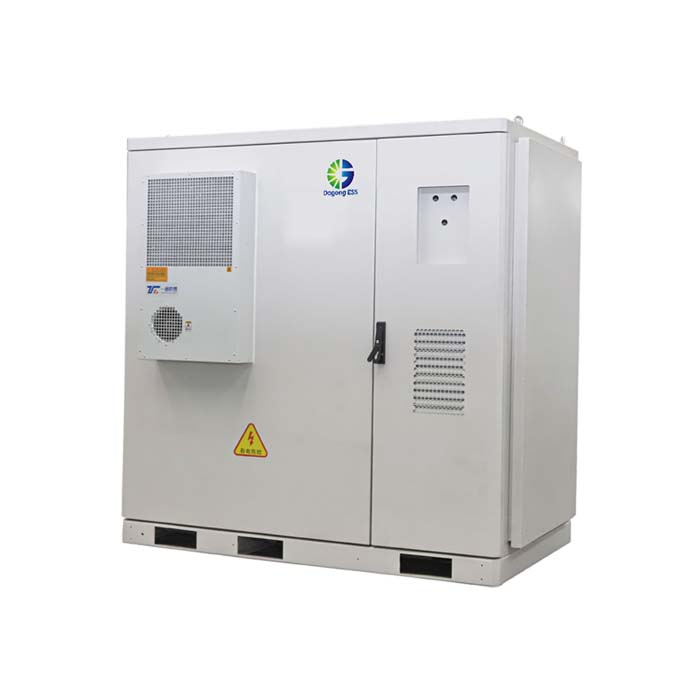
Dagong ESS 100kWh–144kWh Air-Cooled ESS and 215kWh–416kWh Air-Cooled ESS, battery modules are often stacked in cabinets exposed to industrial vibration and load variations.
Here, stainless steel belts:
Improve vibration resistance
Maintain compression consistency across larger modules
Support safe long-term operation in factories, commercial buildings, and microgrid projects
3. Utility-Scale and Containerized ESS
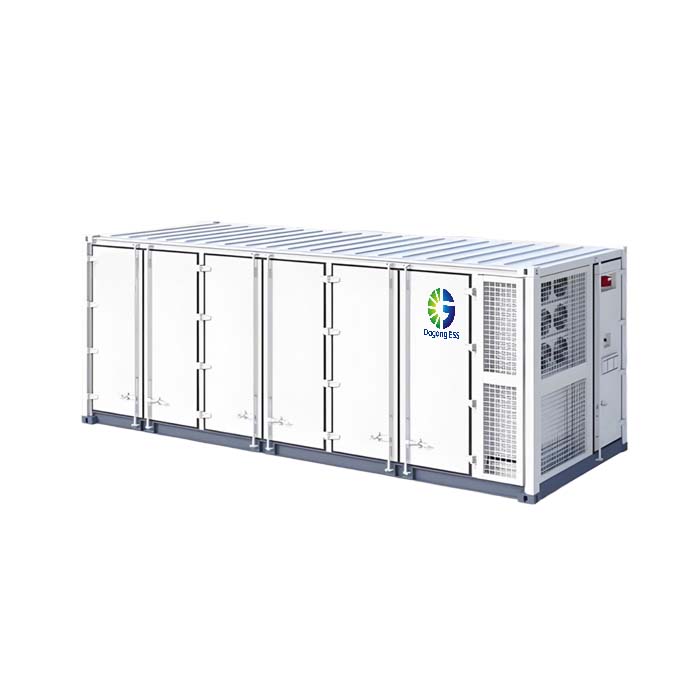
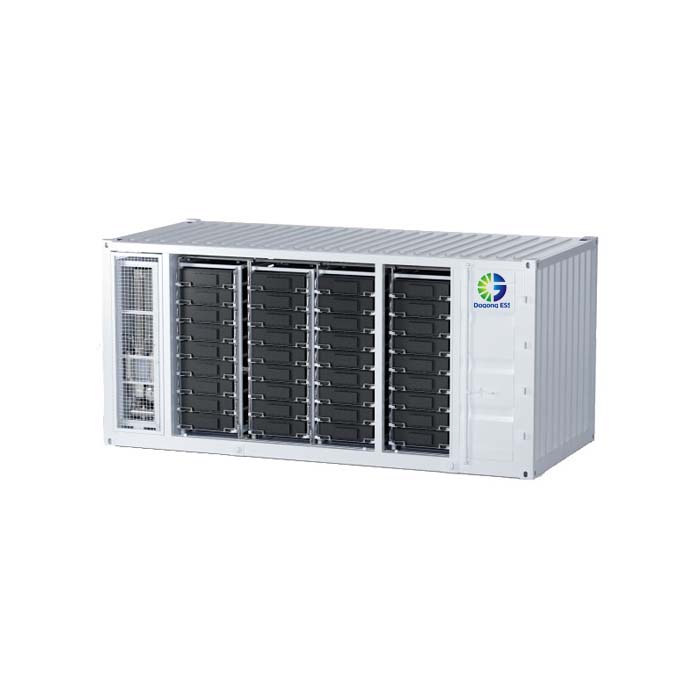
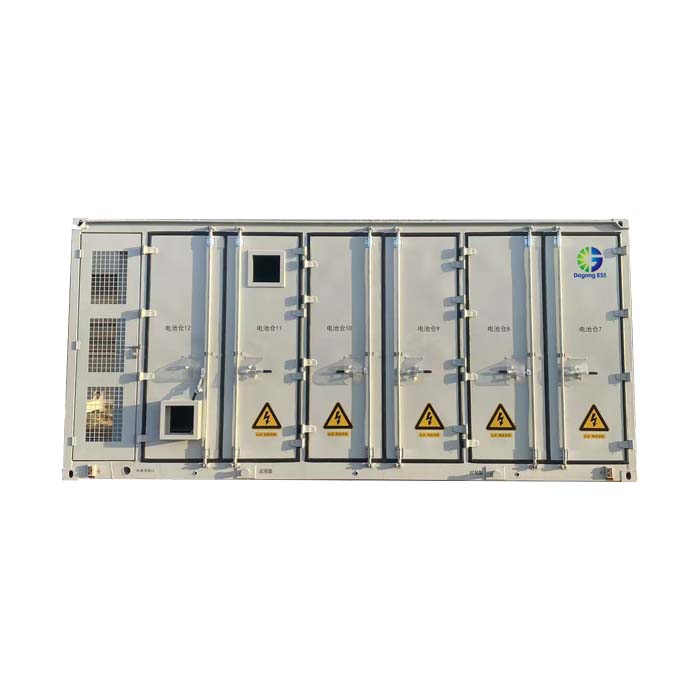
In large systems such as the 5MWh Liquid-Cooled ESS Container, mechanical reliability becomes even more critical. During transportation and installation, battery racks experience shock and movement.
Stainless steel belts help:
Prevent cell displacement
Maintain pack structural alignment
Protect weld joints from stress concentration
Enhance safety margins during logistics and commissioning
How Does Structural Stability Affect Battery Lifespan?
Mechanical instability can indirectly shorten battery lifespan. Even if electrical design and thermal management are optimized, poor structural compression may lead to:
Uneven internal pressure distribution
Increased impedance growth
Accelerated capacity fade
Localized heat accumulation
When compression remains consistent:
Contact resistance remains stable
Thermal pathways stay uniform
Electrochemical degradation slows
This mechanical-electrochemical interaction is particularly relevant in high-cycle ESS systems, where performance stability over a decade or more is required.
What Engineering Factors Should Be Considered When Selecting Stainless Steel Belts?
When designing or sourcing a Battery Module Fixing System, engineers typically evaluate:
Material Grade
Different stainless steel grades offer varying corrosion resistance and strength characteristics.
Thickness and Width
These determine tensile strength and load-bearing capability.
Surface Treatment
Surface finishing can improve corrosion resistance and reduce stress concentration points.
Installation Method
Proper tensioning is critical. Excessive force may damage module frames, while insufficient tension reduces effectiveness.
Compatibility with Module Design
The belt must integrate with end plates, module frames, and thermal components without interfering with airflow or cooling plates.
How Does It Integrate with Thermal Management Systems?
In air-cooled systems, stainless steel belts must not obstruct airflow channels. In liquid-cooled systems, they must align with cooling plate structures and module frames.
For example, in Dagong ESS liquid-cooled systems such as:
215kWh Liquid-Cooled ESS
372kWh Liquid-Cooled ESS
Mechanical compression structures are designed to work alongside liquid cooling plates and structural frames to ensure both thermal and mechanical balance.
This integration ensures that:
Structural restraint does not compromise heat dissipation
Cooling components remain properly aligned
Thermal expansion is accommodated safely
How Long Does a Stainless Steel Belt Last in ESS Applications?
Under proper design and installation conditions, stainless steel belts can match the lifespan of industrial energy storage systems.
In projects designed for:
8000+ charge-discharge cycles
15+ years service life
Mechanical fastening components must maintain consistent performance without significant fatigue or corrosion degradation.
Regular inspection during system maintenance cycles is recommended to ensure long-term integrity.
Why Is Mechanical Design Often Overlooked in ESS Discussions?
Discussions about energy storage often focus on:
Battery chemistry
BMS algorithms
Cooling strategies
Power conversion efficiency
However, mechanical design plays a foundational role in ensuring that electrical and thermal systems operate as intended.
Without reliable structural components such as stainless steel belts:
Thermal systems cannot maintain uniform distribution
Electrical connections may degrade
Safety margins may shrink over time
In modern ESS engineering, structural integrity is not a secondary consideration—it is a core design pillar.
A Lithium Battery Stainless Steel Belt may appear to be a simple component, but its role in maintaining module compression, vibration resistance, and long-term structural stability is fundamental to modern energy storage systems.
From compact residential installations to containerized utility-scale projects, controlled mechanical compression supports safety, performance consistency, and long operational lifespan.
As energy storage systems continue scaling in size and cycle expectations increase, structural reliability remains a key engineering priority alongside electrical and thermal design.
If you are interested in Lithium Battery Stainless Steel Belt products or would like to learn more about related energy storage solutions, please contact Dagong ESS at sales@dagongess.com.