
 WhatsApp
 sales@dagongess.com
 +86 18137952759
Substation Energy Storage System Solutions
A substation energy storage system is a grid-side energy storage solution installed at or near electrical substations to improve power stability, enhance load regulation, and support renewable energy integration. As global power networks increasingly incorporate distributed solar and wind generation, substations encounter more frequent voltage swings, peak-load stresses, and unpredictable fluctuations. Energy storage provides a direct technical method for mitigating these issues.
These systems typically adopt lithium iron phosphate (LFP) battery technology, known for its long cycle life, stable chemical structure, and high safety performance. Combined with BMS (Battery Management System), PCS (Power Conversion System), and EMS (Energy Management System), a substation ESS forms an intelligent, modular unit capable of responding dynamically to grid conditions. When electricity demand surges, the ESS discharges to relieve the substation load; when demand drops or renewable power is abundant, the ESS charges to absorb surplus energy.
Modern substation energy storage plays a critical role in grid modernization. It supports frequency regulation, voltage stabilization, black-start capabilities, and reserve capacity, allowing utilities to operate power networks more efficiently and with higher reliability.
Types of Substation Energy Storage Systems
Substation ESS solutions come in multiple configurations depending on project scale, cooling method, and deployment environment. The most common types include the following:
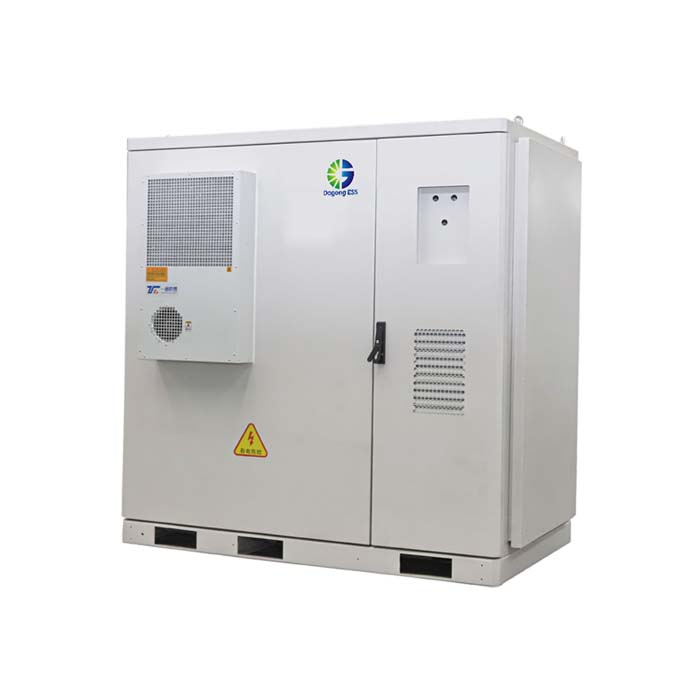
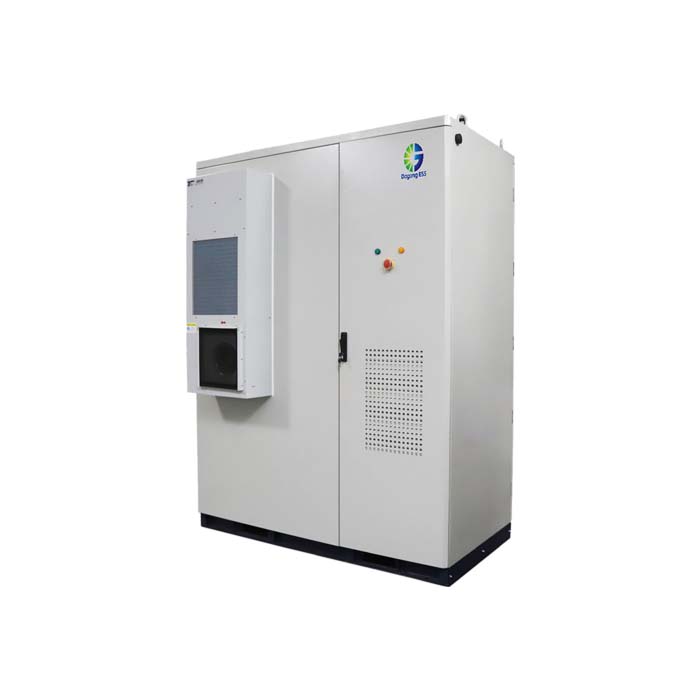
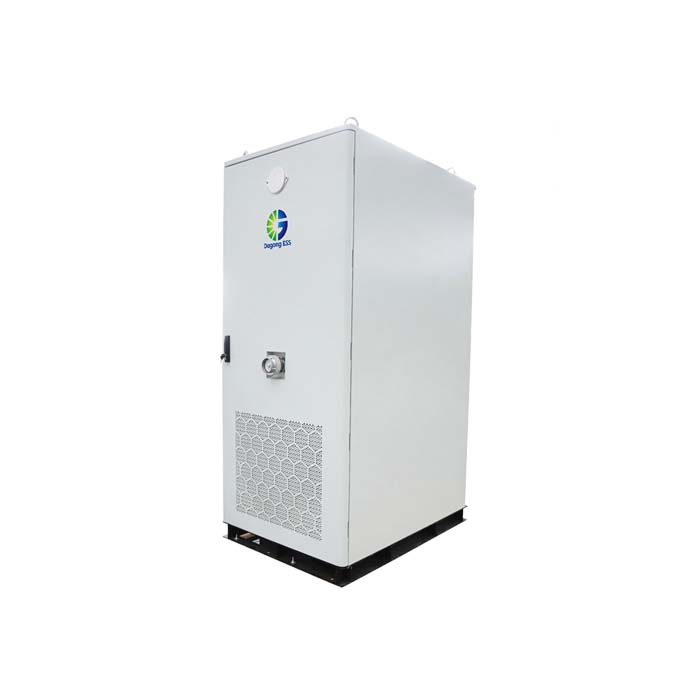
144kWh–416kWh Air-Cooled Energy Storage Systems
Air-cooled ESS units are ideal for small to medium-scale substation applications such as municipal distribution substations or community microgrids. Air cooling reduces system complexity, simplifies maintenance, and offers quick installation. These systems are often modular and can be deployed individually or combined in parallel for expanded capacity.
241kWh–372kWh Liquid-Cooled Energy Storage Systems
Liquid-cooled ESS units are designed for higher power density and more demanding operational environments. Liquid cooling provides superior temperature uniformity and enables stable performance even under high ambient temperatures or continuous charge-discharge cycles. These systems are frequently used in industrial energy hubs, renewable power stations, or grid-side peaking facilities.
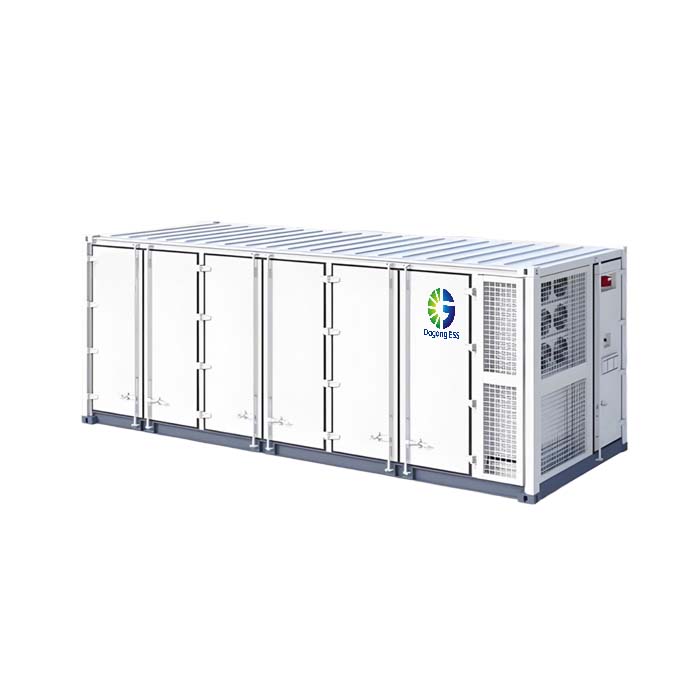
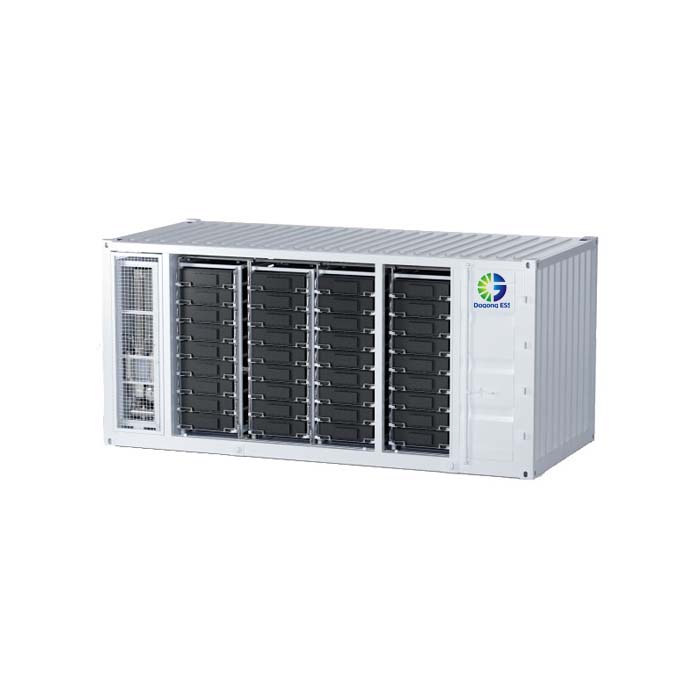
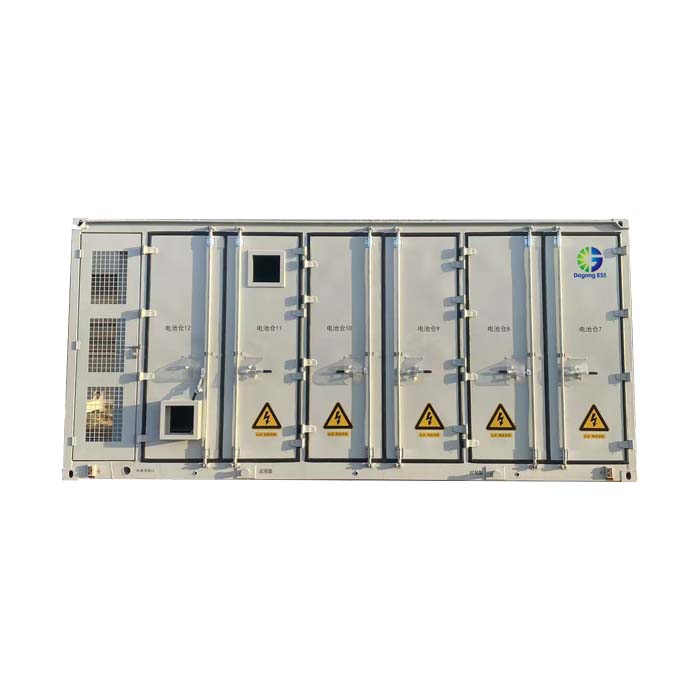
1.2MWh and 5MWh ESS Containerized Solutions
Large-scale containerized ESS solutions serve high-capacity substation scenarios, such as:
110kV and 220kV grid substations
Renewable energy power plants
Industrial zones requiring high-capacity peak shaving
Utility-operated regulation and reserve services
Container ESS units integrate batteries, PCS, BMS, fire suppression, HVAC, and EMS in a single transportable container. Systems ranging from 1.2MWh to 5MWh are increasingly deployed worldwide due to their scalability, rapid installation, and compatibility with modern grid operations.
These three categories together cover the full spectrum of substation ESS needs—from small distribution substations to large utility-scale infrastructure.
Features of Substation Energy Storage Systems
Substation ESS solutions deliver multiple technical benefits that contribute to efficient grid operation:
Grid Stability and Power Quality
Energy storage enhances both frequency and voltage regulation, especially in regions with fluctuating load patterns or high renewable penetration. By providing real-time charge/discharge adjustments, ESS helps maintain grid parameters within safe operational thresholds.
Peak Shaving and Load Shifting
Substations frequently face high stress during electricity peak periods. ESS shifts load from peak to off-peak times, reducing transformer strain and lowering operational costs.
Emergency Backup and Black-Start Capability
During unexpected outages, the ESS can act as an emergency power source, improving the resilience of the electrical network. Some large ESS containers also support black-start functions for restarting substations after grid failures.
Renewable Energy Integration
Solar and wind power produce intermittent and unpredictable output. ESS absorbs excess renewable energy during high-generation periods and releases it during low-generation periods, smoothing variability and improving renewable utilization.
Modular Scalability
Whether using 144kWh modules or 5MWh containers, substation ESS solutions are highly expandable. Multiple units can be paralleled to reach multi-megawatt levels based on project needs.
Long Cycle Life and High Safety
LFP batteries generally offer 8000+ cycles with robust safety characteristics. Combined with intelligent thermal management—especially in 241kWh–372kWh liquid-cooled systems—the ESS maintains stable performance across a long service life.
These advantages make ESS a core component in modern power grid infrastructure upgrades.
Applications of Substation Energy Storage Systems
Substation ESS solutions are employed across numerous scenarios to enhance grid efficiency and energy reliability.
Urban and Industrial Substation Upgrades
As cities grow and electricity demand increases, substations require peak-shaving support. Compact air-cooled units such as 144kWh–416kWh systems can be deployed rapidly for load management.
Renewable Energy Power Plants
Wind and solar installations often experience curtailment or unstable output. Large container systems, including 1.2MWh and 5MWh solutions, stabilize renewable integration and minimize grid impact.
Microgrids and Smart Grids
Microgrids require flexible energy storage to maintain self-sufficient operation. Medium-scale systems such as 241kWh–372kWh liquid-cooled ESS offer stable support for microgrid transitions and distributed energy networks.
Utility-Provided Grid Services
Substation ESS enables utilities to deliver premium services such as:
Frequency regulation
Peak shaving
Reactive power compensation
Reserve power supply
Black-start assistance
Industrial Parks and Critical Infrastructure
Large-scale ESS helps industrial clusters manage energy bills, avoid peak charges, and maintain power stability for crucial operations.
Across these applications, the choice of system size and cooling method depends on grid conditions, load characteristics, and environmental factors.
How to Select the Right Substation Energy Storage System?
Selecting the correct substation ESS requires evaluating several key considerations:
Define the Grid Objective
Different goals require different configurations:
Peak shaving needs higher capacity (e.g., 1.2MWh+)
Frequency regulation requires rapid response
Renewable smoothing uses a mix of large containers with optimized EMS
Cooling Method Selection
Air-cooled (144kWh–416kWh): Simple, low maintenance, fast deployment
Liquid-cooled (241kWh–372kWh): High thermal efficiency, ideal for hot climates and high-power applications
Cycle Life and Battery Technology
LFP batteries are preferred for long lifespan and safety performance, particularly for substation environments.
Scalability and Installation Constraints
Check whether the site can support parallel deployment of multiple containers or rack-based units.
Compliance & Certification
Ensure the system meets standards such as:
CE, UN38.3, IEC, UL9540A, UL1973, or local grid-connection requirements.
How Long Does a Substation ESS Last?
Modern LFP-based energy storage systems typically last 10–15 years or more.
Actual lifespan depends on:
Charge/discharge frequency
Depth of discharge (DOD)
Ambient temperature
Thermal management quality
BMS algorithm accuracy
With optimized liquid-cooling and smart energy management, many 241kWh–372kWh and containerized systems can maintain high performance throughout their service life.
The Supplier of Substation Energy Storage Systems
Many global manufacturers provide modular ESS solutions that include 144kWh–416kWh air-cooled units, 241kWh–372kWh liquid-cooled systems, and larger 1.2MWh / 5MWh ESS containers. These systems can be tailored for substation peak shaving, frequency control, and renewable integration projects.
Companies with strong experience in both industrial ESS and containerized solutions—such as Dagong ESS—are often referenced in international power engineering markets for their wide product portfolios and flexible customization options.