
 WhatsApp
 sales@dagongess.com
 +86 18137952759
How to Choose an Energy Storage System for a Solar Farm
What is a Solar Farm Energy Storage System?
A solar farm energy storage system refers to the use of large-scale battery technology to capture excess photovoltaic (PV) generation and release it when needed. Solar energy is inherently intermittent—output peaks at noon but demand often peaks at night—making utility-scale storage essential in modern renewable energy projects.
These systems typically combine lithium iron phosphate (LFP) battery packs, battery management systems (BMS), power conversion systems (PCS), and an energy management system (EMS). They support functions such as peak shaving, load shifting, frequency regulation, and improving the self-consumption rate of PV plants.
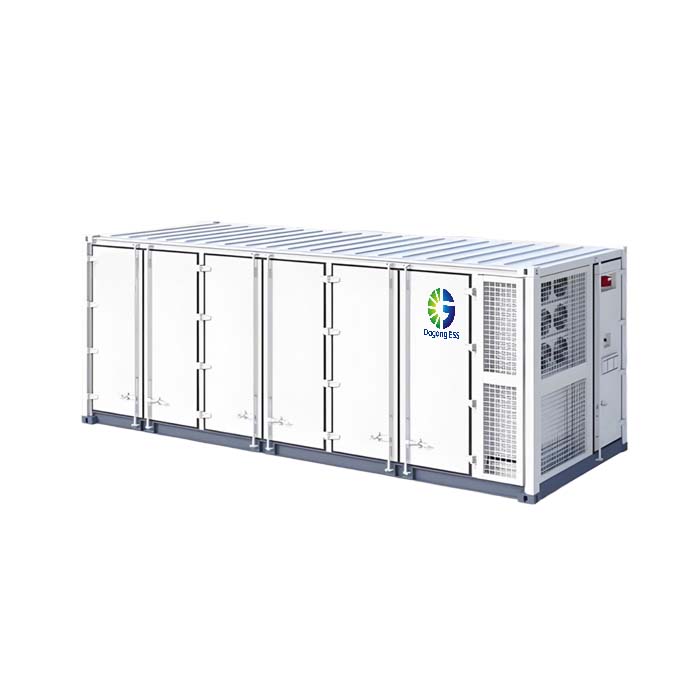
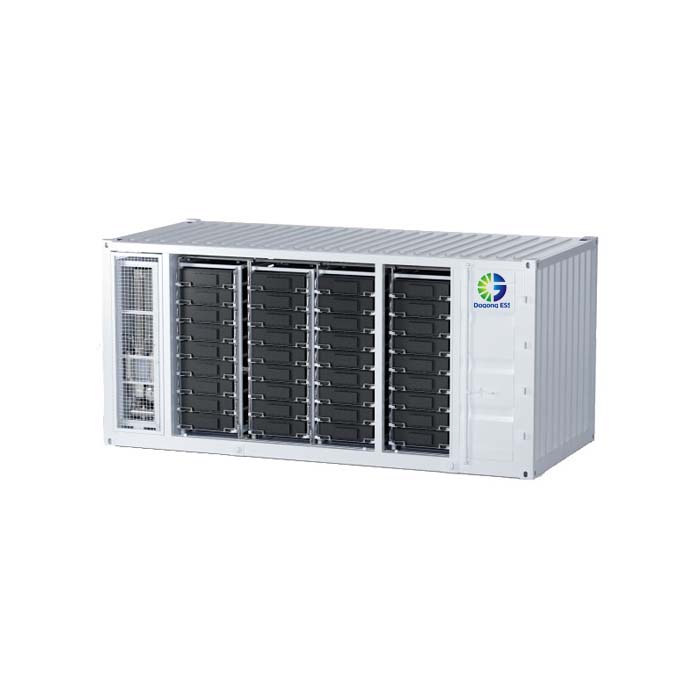
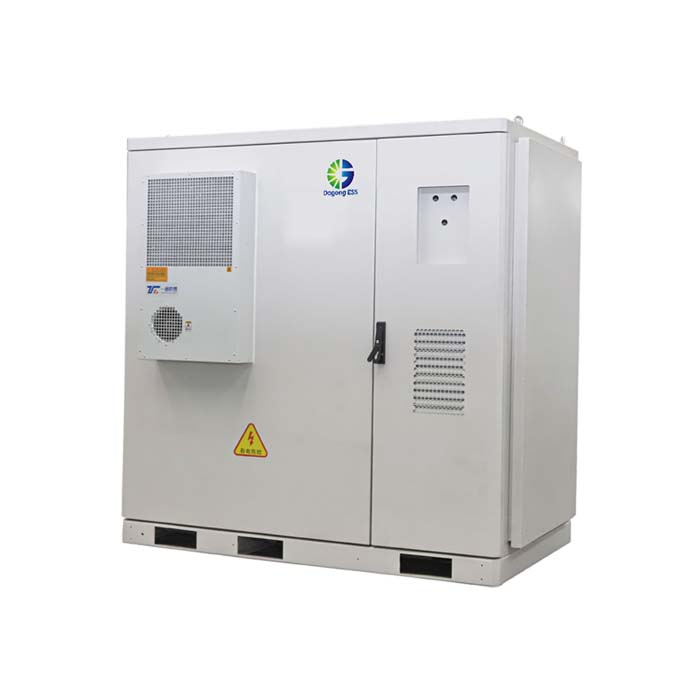
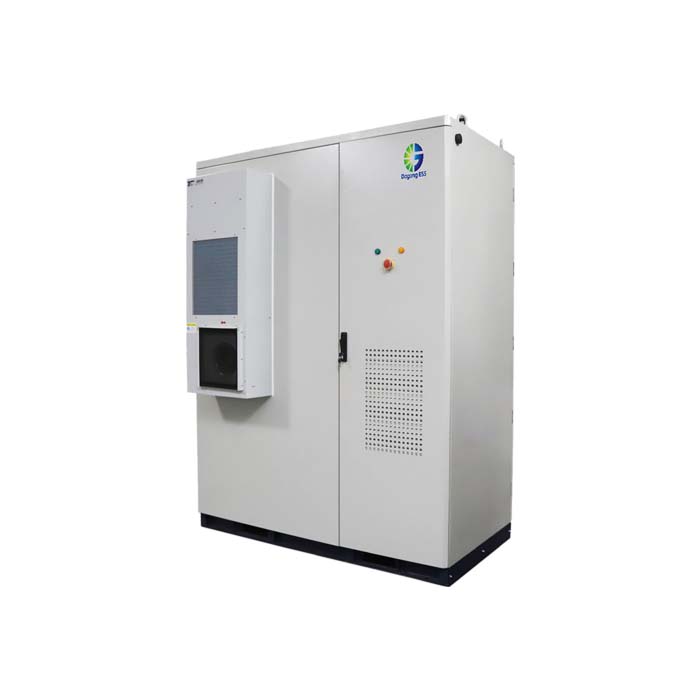
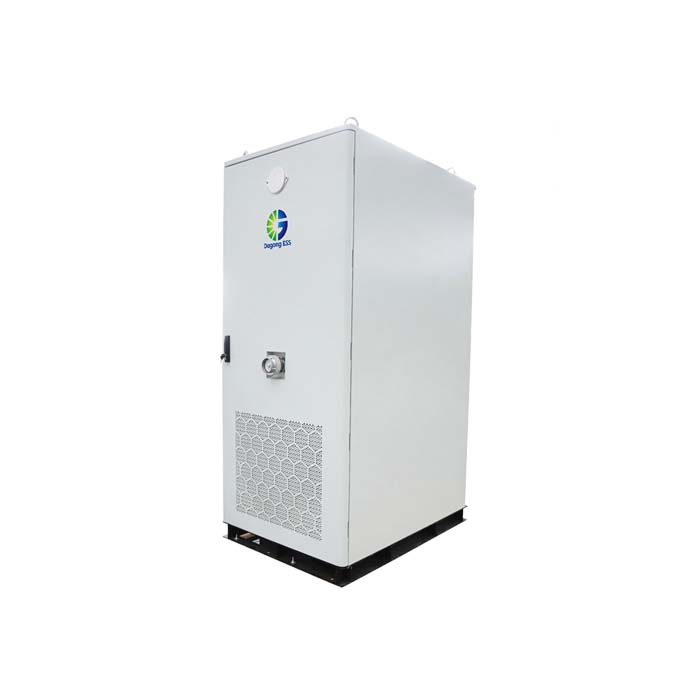
Today, many solar farms use modular cabinet systems (e.g., 144kWh to 416kWh air-cooled units), liquid-cooled battery cabinets (241kWh to 372kWh),or large containerized storage solutions such as 1.2MWh to 5MWh ESS containers.
Types of Energy Storage Systems for Solar Farms
Air-Cooled Battery Storage Systems
Air-cooled ESS units typically range from 144kWh to 416kWh. They are used in small to medium solar farms or for distributed PV projects requiring flexible installation. Air cooling is simple, cost-effective, and suitable for mild climates.
Liquid-Cooled Battery Storage Systems
Liquid-cooled systems (241kWh to 372kWh range) offer superior thermal uniformity and are preferred in high-temperature regions, desert environments, or large PV stations where battery longevity and efficiency are priorities. Liquid cooling helps maintain optimal cell temperature (often 25–35°C), improving cycle life and system performance.
Containerized ESS Solutions
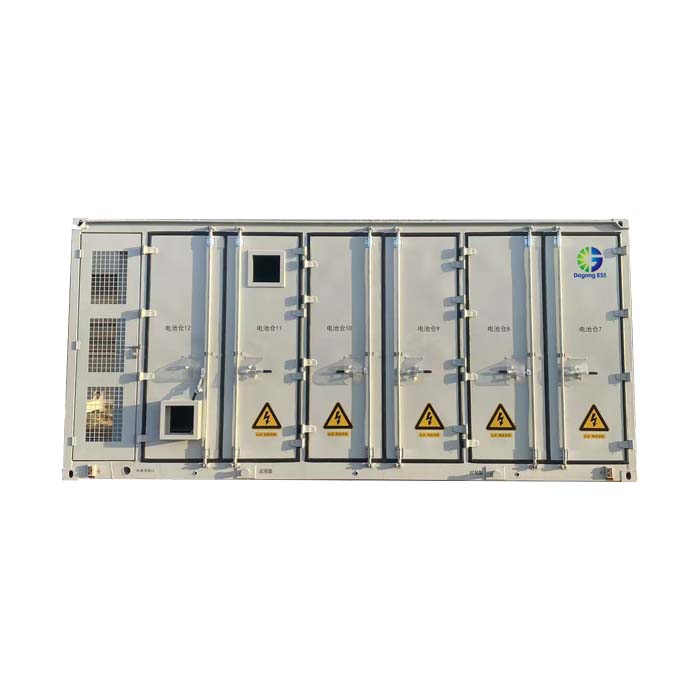
Container storage systems, such as 1.25MWh or 5MWh configurations, are widely used in utility-scale solar farms. They integrate batteries, BMS, PCS, fire protection, HVAC, and EMS into one system. These containers provide fast deployment, easy transportation, parallel scalability, and compatibility with 20MW–200MW solar farm projects.
Advantages of Energy Storage Systems for Solar Farms
1. Higher Energy Utilization Efficiency
Advanced energy storage systems allow solar farms to capture excess daytime energy and supply it during low-irradiance periods. This significantly increases the overall utilization rate of PV power and reduces curtailment.
2. Stable and Reliable Power Output
Energy storage smooths PV fluctuations caused by clouds, weather changes, and peak power drops. By regulating output in real time, ESS ensures:
More stable power delivery
Reduced grid impact
Improved renewable penetration
This is especially important for utility-scale solar plants connected to weak grids.
3. Increased Revenue Through Energy Arbitrage
With the support of a smart EMS, solar farms can:
Store low-cost energy during off-peak periods
Discharge when electricity prices are high
Participate in peak-shaving, frequency regulation, and other ancillary services
This directly improves project profitability.
4. Longer System Lifespan with Proper Thermal Management
Modern ESS utilize optimized cooling technologies, enabling longer battery life and higher efficiency:
Air cooling provides a cost-effective solution with easy maintenance.
Liquid cooling delivers more precise temperature control, ideal for hot climates and large-capacity systems.
Consistent temperatures extend the cycle life of LFP batteries and prevent thermal stress.
5. Improved Safety and Operational Security
High-quality energy storage systems enhance solar farm safety through:
Multi-layer BMS protection
Temperature/voltage anomaly alarms
Integrated fire suppression systems
Compliance with CE, UN38.3, IEC, UL, and other international standards
These safety measures reduce operational risks and ensure stable long-term operation.
6. Flexible Deployment for Different Project Sizes
Modern ESS offer both modular cabinet designs and large containerized solutions:
144kWh to 372kWh cabinet systems for distributed and scalable configurations
1.2MWh–5MWh container systems for centralized utility-scale solar farms
This flexibility allows solar developers to expand capacity as needed and optimize land use.
7. Enhanced Monitoring and Intelligent Control
With an advanced EMS platform, operators can achieve:
Real-time monitoring of SOC, SOH, and system performance
Automatic fault detection and reporting
Output smoothing and power quality control
These capabilities reduce manual workload and improve overall system reliability.
Applications of Energy Storage Systems in Solar Farms
Store excess midday solar energy and discharge it during evening peak hours when electricity prices are highest. This time-shifting capability enables solar + storage projects to participate in time-of-use (TOU) arbitrage, significantly improving project economics. Containerized BESS units (e.g., 1.2 MWh or 5 MWh) are widely used for this application due to their plug-and-play design and scalability.
Grid Stability & Frequency Regulation
Modern BESS can respond to grid frequency deviations in under 100 milliseconds—faster than traditional thermal plants. Liquid-cooled LFP battery systems (typically 241–372 kWh per unit) are ideal for providing fast frequency response (FFR) and ancillary services in markets like PJM (USA), UK National Grid, and Australia’s NEM.
Reduce Curtailment, Boost Self-Consumption
In regions with grid congestion—such as parts of California, Germany, or Northwest China—solar farms often face forced curtailment. On-site air-cooled ESS (144–416 kWh) captures otherwise-wasted energy, increasing self-consumption rates and overall plant utilization without requiring costly grid upgrades.
Backup Power for Weak or Off-Grid Areas
In remote locations or unstable grids, solar + storage microgrids ensure uninterrupted power supply. During outages, the system can “island” and continue powering critical loads—making it essential for mining operations, telecom towers, and rural electrification projects across Africa, Southeast Asia, and Latin America.
Enable Renewable Energy Trading & Market Participation
With dynamic pricing in deregulated markets (e.g., ERCOT, EU day-ahead markets), PV + storage assets act as virtual power plants (VPPs). They buy low, sell high, and even bid into capacity markets—unlocking multiple revenue streams beyond simple energy sales.
Voltage Support & Reactive Power Control
Advanced BESS inverters provide reactive power (VAR) support, helping maintain voltage stability at the point of interconnection. This is especially valuable in rural feeders with weak grid infrastructure and is now required by modern grid codes like IEEE 1547 and IEC 62910.
Price of Energy Storage Systems for Solar Farms
The cost of energy storage systems for renewable energy integration depends on several factors, including system capacity, storage duration, battery type, control software, installation conditions, and auxiliary equipment.
Pricing is usually quoted under international trade terms such as EXW, FOB, or CIF, depending on project location and logistics preferences.
For a tailored quotation based on your specific project needs, it's best to consult directly with the supplier.
How to Select an Energy Storage System for Your Solar Farm
Determine Storage Duration (1–4 Hours)
A 2-hour configuration is common for most grid-connected solar farms; 4-hour storage is preferred in regions with high evening demand.
Choose the Right Cooling Method
Hot climates → liquid-cooled (241kWh to 372kWh)
Mild climates → air-cooled (144kWh to 416kWh)
Evaluate the Electricity Market Policy
Areas with peak-valley price differences benefit from longer-duration ESS to maximize revenue.
Check Scalability Requirements
If the solar farm may expand later, choose container ESS (1.2MWh to 5MWh) with parallel expansion capability.
Consider Environmental Conditions
High humidity, dust, or sandstorms require IP54/IP55 protection and enhanced cooling reliability.
Confirm Safety Compliance
Verify certifications such as CE, UN38.3, MSDS, and relevant grid-connection standards.
Assess O&M and Monitoring Needs
Systems with real-time monitoring, remote fault detection, and historical data logging offer easier long-term operation.
How Long Does a Solar Farm Energy Storage System Last?
Most LFP-based systems offer:
6000–10000 cycles
15+ years of lifespan
depending on usage depth, temperature, and charge–discharge strategy.
Liquid-cooled ESS typically has longer life due to better thermal stability, especially in regions with high ambient temperatures.
The Supplier of Solar Farm Energy Storage Systems
Selecting the right energy storage system for a solar farm requires careful evaluation and planning, but it will significantly influence your project's long-term stability and performance. If you are determining the storage configuration for your solar plant, Dagong ESS can provide technical references based on your project scale and requirements, including 144kWh–416kWh air-cooled systems, 241kWh to 372kWh liquid-cooled systems, and 1.2MWh–5MWh containerized solutions.
For more technical details or configuration suggestions tailored to your project, you may contact:
Email: sales@dagongess.com