
 WhatsApp
 sales@dagongess.com
 +86 18137952759
How Does EMS Energy Management Transform Energy Storage from Equipment into Grid Assets?
In early energy storage projects, system value was largely defined by hardware specifications—battery capacity, PCS power rating, cooling method, and safety design. These elements establish whether a system can operate safely and reliably.
However, as energy storage increasingly participates in electricity markets and grid services, hardware alone no longer determines project value. The Energy Management System (EMS) becomes the decisive layer that transforms an energy storage system from a passive device into an actively managed asset.
In practice, algorithms determine the revenue ceiling, while hardware defines the safety floor. EMS sits exactly at this intersection.
What Is EMS in Energy Storage Systems?
An Energy Management System (EMS) is the system-level control and optimization platform responsible for coordinating energy flow, dispatch timing, and operating priorities across an entire ESS.
Unlike BMS and PCS, which operate at protection and control levels, EMS energy management focuses on decision-making across minutes, hours, and days. Its responsibilities typically include:
Dispatch scheduling and optimization
Load, price, and generation forecasting
Coordination with grid and market signals
Performance tracking and operational reporting
In modern projects, EMS is not optional—it defines how value is extracted from the same physical hardware.
Peak Shaving and Valley Filling
Peak Shaving And Valley Filling is one of the most widely deployed EMS applications, particularly in commercial and industrial energy storage.
By charging during low-demand periods and discharging during peak load intervals, EMS reduces load volatility and smooths power consumption profiles. This improves grid stability while increasing system utilization.
Effective energy storage dispatch strategy requires EMS to accurately identify peak thresholds, predict load patterns, and execute control decisions without accelerating battery degradation.
Demand Charge Management
In many electricity markets, demand charges based on maximum power draw represent a significant portion of energy costs.
Through Demand Charge Management, EMS monitors real-time load behavior and dispatches storage power to suppress short-duration spikes that would otherwise trigger high demand fees.
This application places strict requirements on EMS responsiveness, forecasting accuracy, and coordination with PCS power limits and BMS safety constraints.
PV and Wind Storage Coordination
As renewable penetration increases, EMS plays a central role in PV And Wind Storage Coordination.
Solar and wind generation are inherently intermittent. Without coordinated storage dispatch, excess generation may be curtailed while grid stability risks increase during rapid output fluctuations.
By aligning storage operation with renewable output forecasts, Energy Management System (EMS) enables:
Increased renewable self-consumption
Reduced curtailment losses
Smoother power injection into the grid
This coordination is essential for both grid compliance and long-term renewable project economics.
Energy Price Arbitrage
Energy Price Arbitrage represents one of the most direct revenue mechanisms for grid-connected energy storage systems.
EMS continuously evaluates electricity price signals—such as time-of-use tariffs, spot market prices, or contractual pricing—and schedules charging and discharging accordingly.
The profitability of arbitrage strategies depends less on battery capacity than on EMS algorithm quality. Poor scheduling logic can eliminate margins even when hardware performance is strong.
Backup Power and Frequency Regulation
Beyond economic optimization, EMS also governs reliability-oriented applications such as backup power and Frequency Regulation Energy Storage.
In backup scenarios, EMS prioritizes state-of-charge availability and reserve capacity. In frequency regulation applications, EMS coordinates fast-response dispatch while ensuring that cumulative cycling does not compromise battery lifetime.
Balancing reliability obligations with revenue generation requires sophisticated EMS logic capable of multi-objective optimization.
Algorithms Define the Revenue Ceiling
Two energy storage systems with identical hardware can deliver vastly different financial outcomes over their lifetimes. The difference lies in EMS strategy.
Advanced EMS energy management platforms incorporate:
Load, price, and renewable forecasting
Multi-objective optimization algorithms
Dynamic priority switching between applications
Long-term degradation-aware scheduling
As market mechanisms become more complex, EMS algorithm design increasingly determines asset profitability.
EMS Integration with BMS and PCS
Although EMS operates at a higher decision level, its effectiveness depends on seamless integration with lower-level systems.
BMS defines safety limits and battery health status
PCS executes power commands and grid interaction
EMS optimizes dispatch within those constraints
A well-integrated control hierarchy ensures that energy storage dispatch strategy maximizes value without exceeding safe operating boundaries.
EMS as an Asset-Level Management Platform
In large deployments, EMS evolves beyond single-site control into an asset-level management platform.
Modern EMS solutions support:
Multi-site coordination and monitoring
Performance benchmarking and reporting
Degradation tracking and lifecycle optimization
Interface with grid operators and market platforms
This evolution reinforces the role of Energy Management System (EMS) as the foundation of energy storage asset operation.
Practical Considerations When Selecting EMS
Choosing an EMS solution requires alignment between technical capability and project objectives. Key considerations include:
Target applications and revenue streams
Market access and grid participation rules
System scale and expansion plans
Long-term operation and maintenance strategy
For large-scale projects, EMS should be considered from the earliest design stage rather than treated as an add-on.
EMS energy management and dispatch strategy represent the critical step where energy storage systems transition from equipment to assets.
EMS energy management and dispatch strategy represent the critical step where energy storage systems transition from equipment to assets.
While batteries, PCS, and thermal systems establish safety and reliability limits, Energy Management System (EMS) ultimately determines utilization efficiency, revenue potential, and long-term economic performance.
In modern energy storage projects, algorithms define the upside, and hardware defines the baseline.
EMS in Integrated Energy Storage Solutions
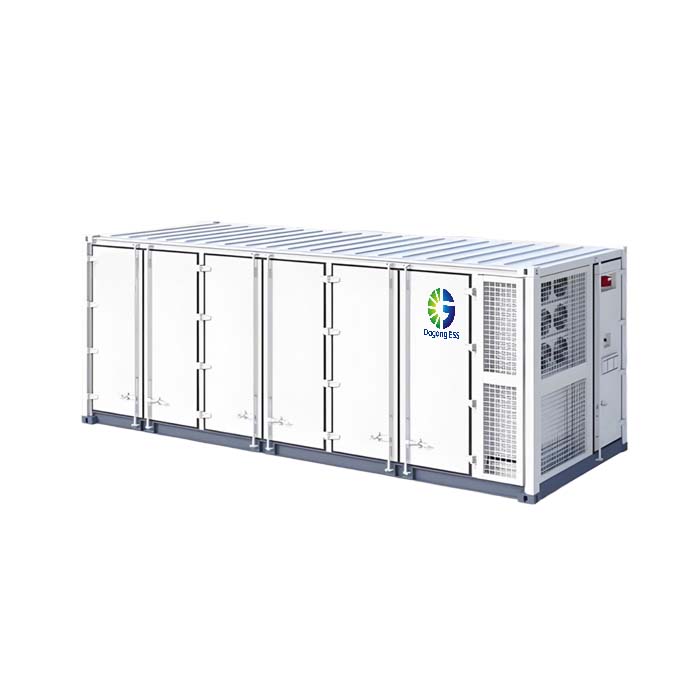
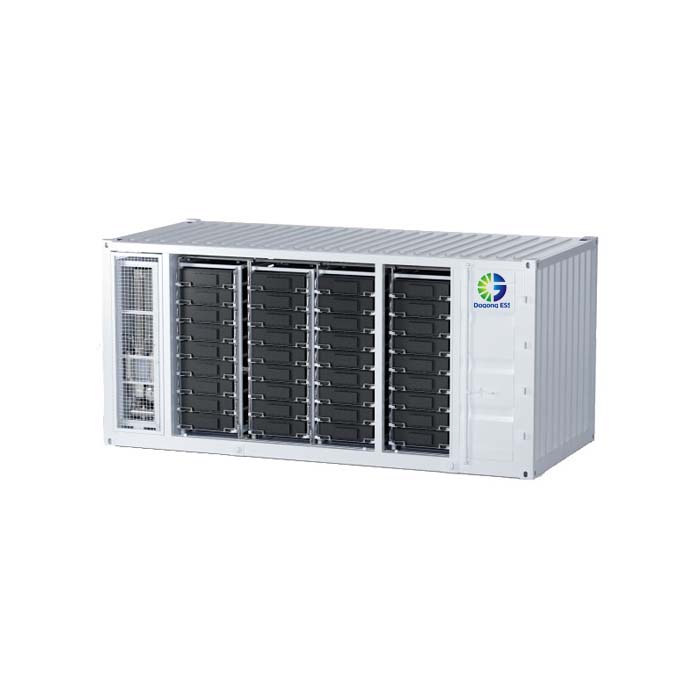
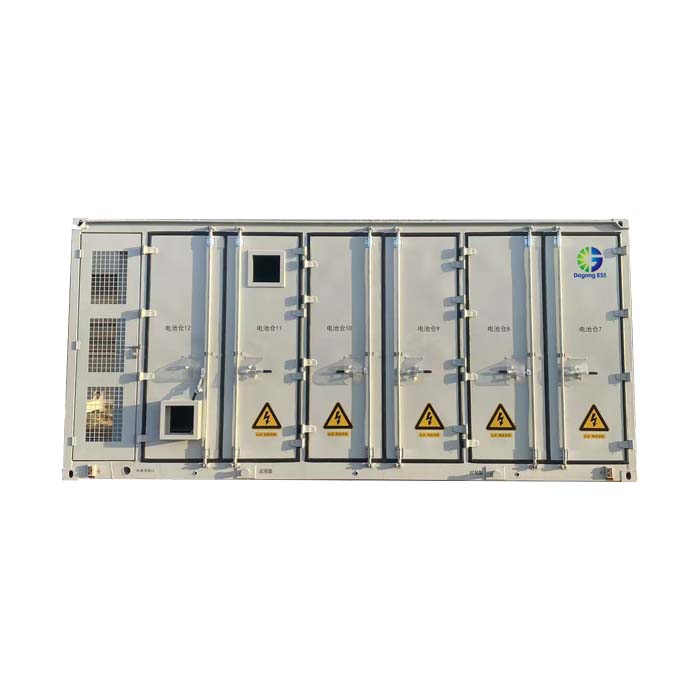
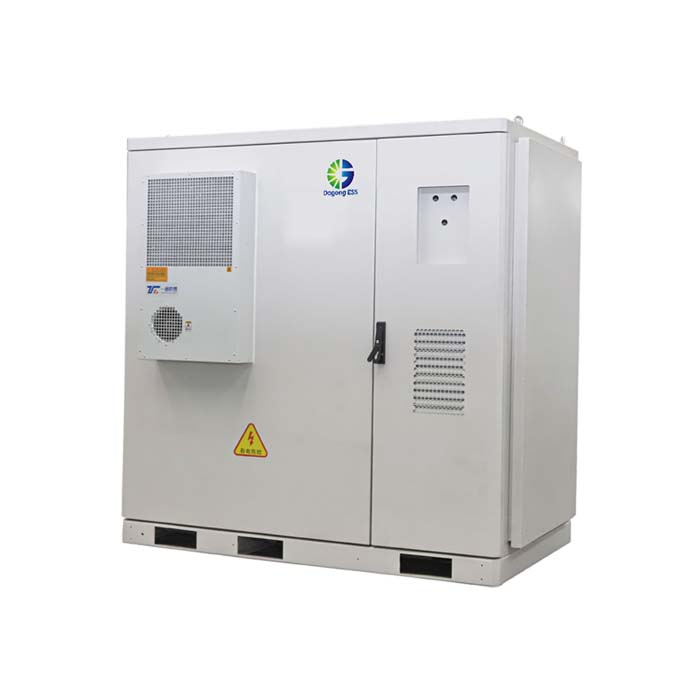
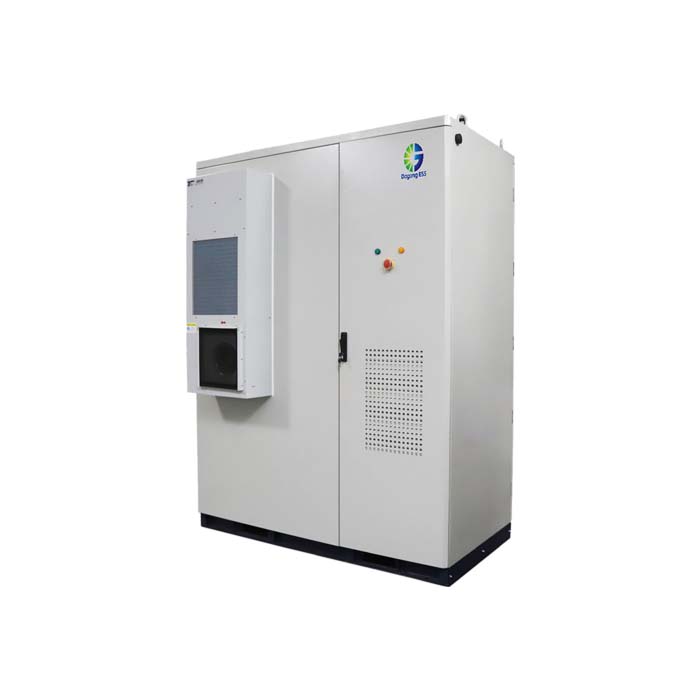
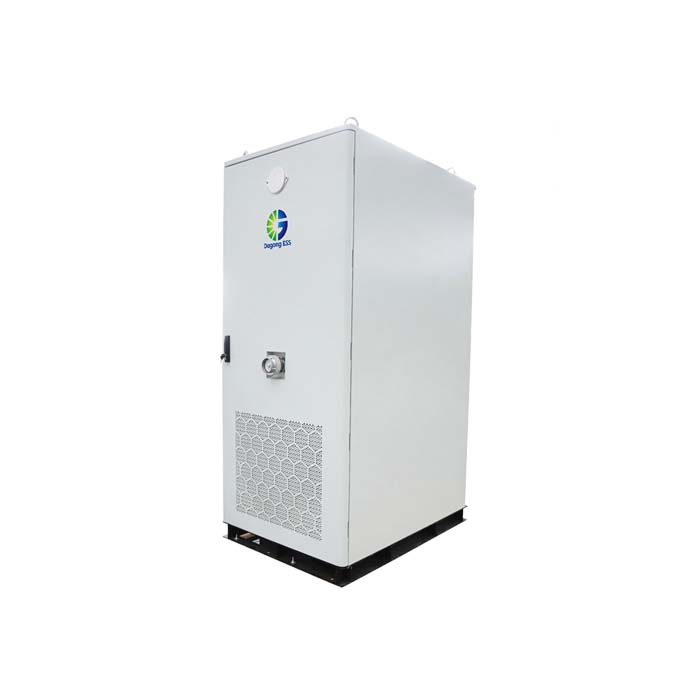
In real-world deployments, EMS effectiveness depends on close coordination with battery systems, PCS, BMS, and thermal management. Companies such as Dagong ESS focus on integrated energy storage solutions where EMS energy management, system architecture, and safety design are developed as a unified framework.
With product lines covering commercial, industrial, and utility-scale energy storage, Dagong ESS emphasizes grid compatibility, operational flexibility, and long-term asset performance across diverse application scenarios.
If you are interested in EMS-enabled energy storage solutions, please contact Dagong ESS:
Email: sales@dagongess.com