
 WhatsApp
 sales@dagongess.com
 +86 18137952759
How Different Industries Should Choose the Right Energy Storage Cabinet
As global demand for reliable and cost-effective energy continues to grow, energy storage systems (ESS) have become essential across residential, commercial, and industrial sectors. However, different industries have very different power consumption profiles, operating environments, and backup requirements. As a result, selecting the right type of energy storage cabinet—or even a larger containerized ESS—requires a clear understanding of application scenarios and technical considerations.
What Is an Energy Storage Cabinet?
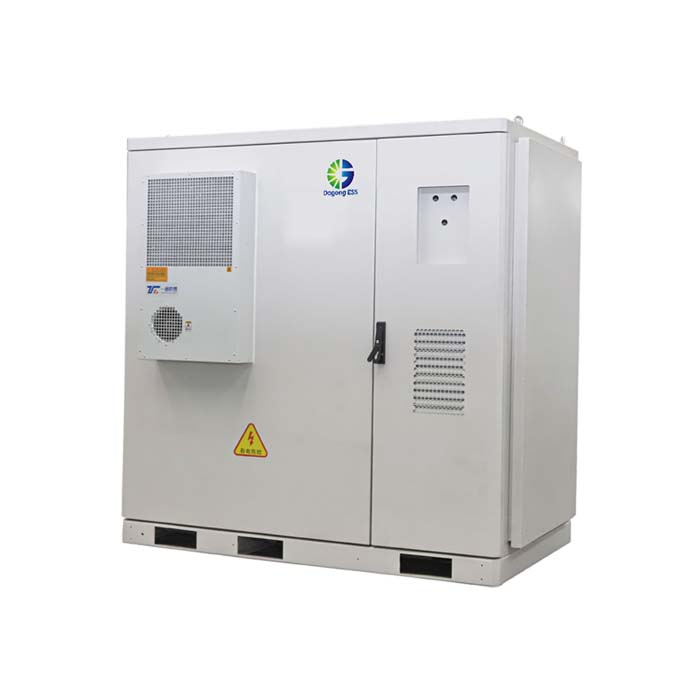
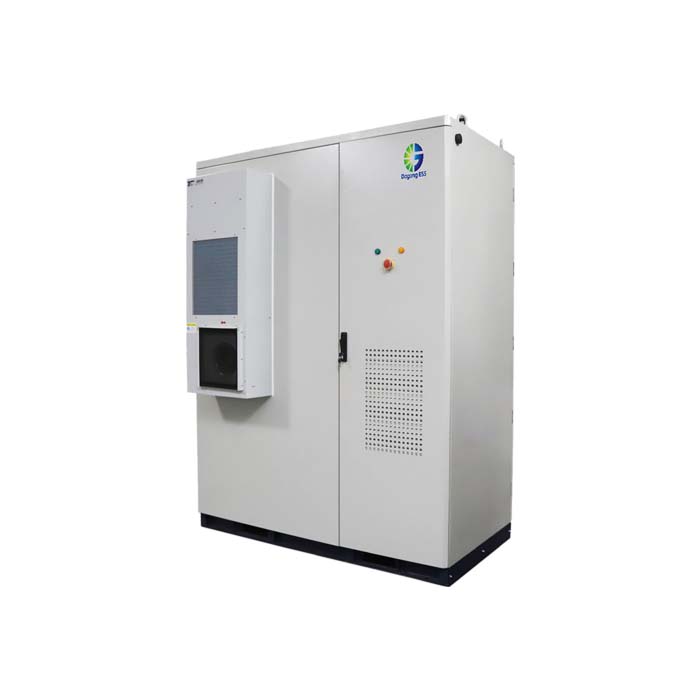
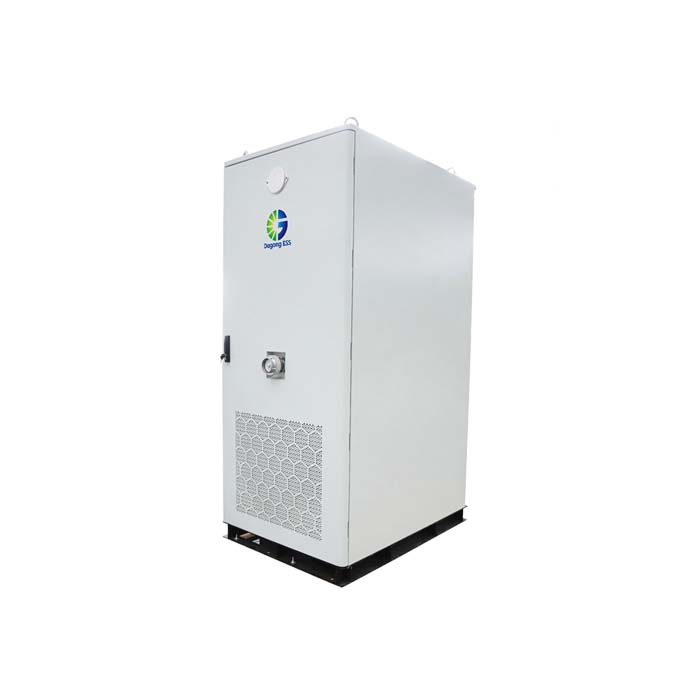
An energy storage cabinet is a modular, scalable battery system designed to store electrical energy for later use. It typically consists of LFP battery modules, BMS, EMS, thermal management, fire protection, and communication units. Unlike container ESS systems designed for megawatt-level power, cabinets are usually deployed in residential or mid-scale commercial and industrial (C&I) environments.
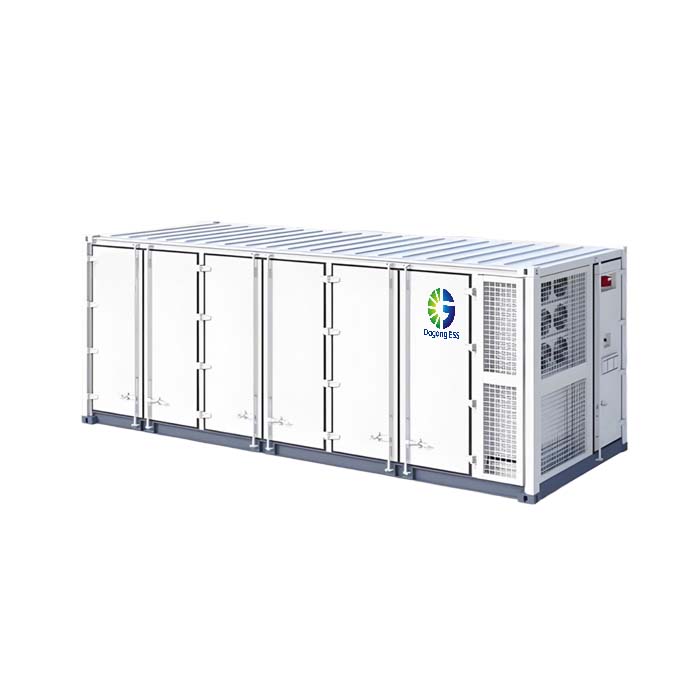
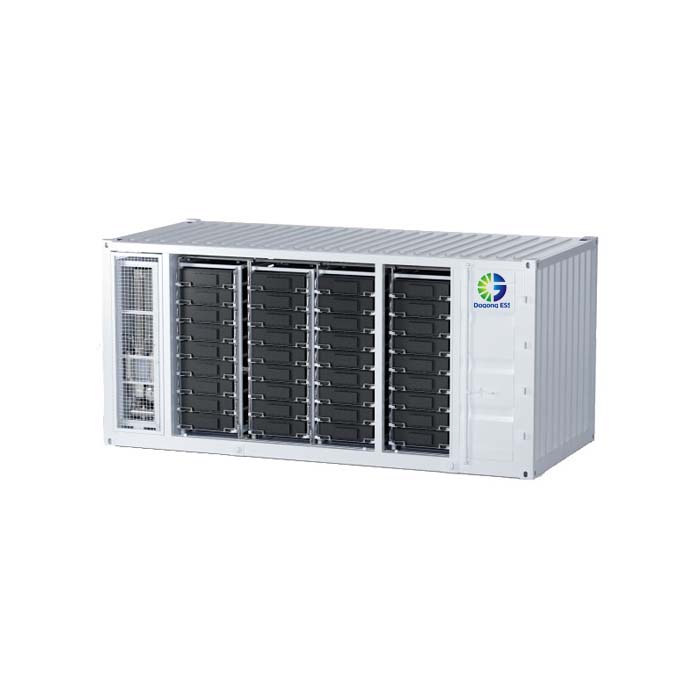
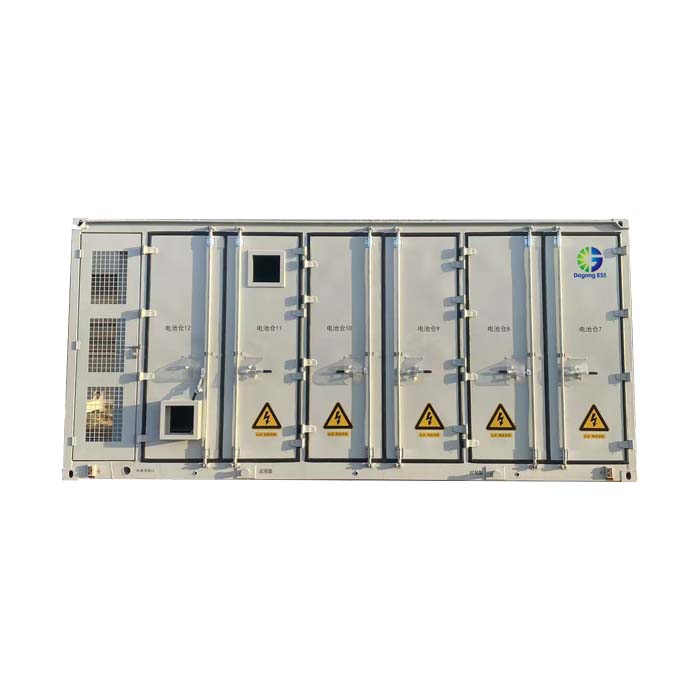
Homeowners typically use 5–30kWh residential ESS, while commercial buildings and factories deploy 144kWh–416kWh air-cooled ESS cabinets or 241kWh–372kWh liquid-cooled ESS cabinets. For large solar farms or microgrids, users often select 1.2MWh and 5MWh container ESS.
Why Choosing the Right ESS Matters
Different industries face different challenges:
Homes need protection from rising electricity prices and outages.
Commercial buildings must optimize operating costs and increase energy independence.
Factories face high peak-load charges and strict power stability requirements.
Solar developers must meet grid regulations and smooth renewable fluctuations.
The right ESS can reduce bills, improve stability, support backup power, and increase renewable self-consumption. Choosing the wrong system, however, can create issues related to insufficient capacity, overheating, low cycle life, or poor compatibility with on-site loads.
How Residential Users Should Choose Energy Storage Cabinets
Residential energy demand is generally low, but peak usage is concentrated in the evening when solar panels are no longer generating power. Homeowners installing solar panels often choose 5–30kWh wall-mounted or stackable ESS to store daytime solar energy and use it at night.
Key considerations for homeowners:
Daily consumption & appliance load
Homes with air conditioners, electric vehicles, or electric heating require higher capacities (15–30kWh).Backup power expectations
If the purpose is only to reduce electricity bills, a small ESS is enough.
If the goal is to power the entire home during outages, a larger system is required.Flexibility & installation space
Stackable systems are more adaptable for homes with limited indoor space.Energy management features
Smart scheduling, time-of-use optimization, and remote monitoring are essential for maximizing savings.
Residential ESS focuses on convenience, safety, and flexibility. Therefore, most homeowners choose air-cooled, compact systems with simple installation and low maintenance.
How Commercial Buildings Should Choose Energy Storage Cabinets
Commercial facilities such as malls, hotels, hospitals, offices, and data centers typically have long operating hours and high electricity bills. Their primary needs include peak-shaving, backup power, and power quality improvement.
For these users, 144kWh–416kWh air-cooled ESS cabinets are the most common choice due to their lower cost and simpler maintenance. Air-cooled systems are ideal for indoor machine rooms or regions with moderate climates.
Key considerations for commercial users:
Load profile & peak hours
Commercial loads peak in the afternoon and evening. An ESS designed for 1–2 hours of peak shaving can significantly cut operating costs.
Backup requirements
Hospitals and data centers may require uninterrupted backup support, meaning ESS must integrate with UPS systems.
Installation environment
Air-cooled cabinets are preferred for places with limited cooling infrastructure.
Solar integration
Many commercial users pair ESS with rooftop PV to maximize energy independence.
Commercial buildings generally do not need extremely high discharge rates, making air-cooled ESS the most cost-effective solution.
How Industrial Facilities Should Choose Energy Storage Cabinets
Industrial users have the most demanding requirements due to heavy machinery, frequent load fluctuations, and high peak electricity charges. Their needs include:
peak load management
equipment protection from voltage drops
short-term backup for production continuity
integration with large-scale solar or microgrids
Industrial facilities often require 241kWh–372kWh liquid-cooled ESS cabinets, especially in high-temperature regions or facilities with high discharge rates. Liquid cooling offers superior temperature uniformity, significantly prolonging battery life.
Key considerations for industrial users:
Temperature control
Factories with heat-generating equipment benefit greatly from liquid-cooled ESS.Discharge depth and cycle frequency
High-cycle applications like peak shaving demand high-durability LFP batteries.Connection with industrial solar systems
Factories with large rooftop PV arrays require ESS that can absorb excess daytime generation.Power stability needs
Voltage dips can damage equipment; ESS stabilizes and buffers these fluctuations.
Industrial users should prioritize robust cooling, high safety standards, and scalable capacity options.
How Large-Scale Solar Projects Should Choose Container ESS
Solar plants, microgrids, and utility-scale renewable projects commonly deploy 1.2MWh or 5MWh container ESS solutions. These systems offer high energy density, integrated PCS, fire suppression, HVAC, and advanced EMS.
Key considerations for solar developers:
Regulatory compliance
Utility-scale projects must meet grid codes and dispatch requirements.
Smoothing & ramp-rate control
ESS buffers renewable volatility to meet grid stability requirements.
Storage duration
Smoothing may require 10–20% of PV capacity; load shifting typically needs 2–4 hours.
Scalability
Container ESS units allow multi-MWh expansion with ease.
Site conditions
Liquid-cooled container ESS is preferred in harsh environments.
Large solar projects prioritize system reliability, long cycle life, and seamless integration with PV inverters and plant-level control systems.
Different industries require different energy storage solutions. Homes prioritize safety and convenience, commercial users focus on cost optimization, industrial facilities demand high reliability and robust cooling, and large solar developers require scalable, containerized ESS.
Whether choosing 5–30kWh home ESS, 144kWh–416kWh air-cooled cabinets, 241kWh–372kWh liquid-cooled systems, or 1.2MWh–5MWh container ESS, understanding industry-specific needs ensures optimal performance and long-term economic benefits. Many project developers rely on experienced ESS suppliers such as Dagong ESS, whose product range covers all major storage categories, making it easier to match the right solution with each industry’s requirements.