
 WhatsApp
 sales@dagongess.com
 +86 18137952759
How AI is Transforming Energy Storage Management Systems (EMS)
An Energy Storage Management System (EMS) is the operational “brain” of a battery energy storage system (BESS). It coordinates charging and discharging, monitors system performance, and optimizes energy flows based on load demand, electricity pricing, and grid conditions.
Traditional EMS platforms rely on fixed rules, predefined schedules, or simple threshold control. While effective for small and stable applications, these rule-based strategies struggle to respond to the variability of renewable energy, dynamic electricity markets, and the growing scale of modern storage projects.
An AI-driven energy storage management system introduces machine learning, deep learning, and optimization algorithms to enable adaptive decision-making. Instead of following static logic, the system continuously learns from historical and real-time data to improve forecasting accuracy and operational strategies. This transition marks a shift from experience-based control to data-driven intelligent energy management.
Types of AI Technologies Used in Modern EMS
Load and Renewable Generation Forecasting
Accurate forecasting is the foundation of intelligent dispatch. Advanced models such as LSTM, GRU, and Transformer networks analyze historical load data, weather conditions, and generation patterns to predict demand and renewable output over the next hours or days. Forecast errors can be reduced to around 5%, significantly improving operational planning.
Deep Reinforcement Learning for Dispatch Optimization
Modern EMS increasingly adopts deep reinforcement learning-based EMS algorithms. In this framework, the system learns optimal charging and discharging strategies by interacting with real operating environments. The algorithm balances multiple objectives, including:
Energy arbitrage revenue
Demand charge reduction
Battery degradation control
Grid service participation
This approach is especially effective for large commercial, industrial, and utility-scale systems operating in complex market environments.
Battery State Estimation and Health Prediction
AI models combine electrical, thermal, and operational data to estimate State of Charge (SOC) and State of Health (SOH) with higher accuracy than traditional methods. Early detection of abnormal degradation allows preventive maintenance and helps extend battery service life.
Key Features of AI-Enabled EMS
Compared with conventional systems, AI-enhanced EMS delivers several performance improvements:
Real-Time Response
Decision latency can be reduced from seconds to milliseconds, enabling faster participation in grid frequency regulation and demand response.Multi-Objective Optimization
AI enables smart grid and storage coordinated optimization, balancing economic returns with safety constraints and lifecycle considerations.Adaptive Strategy Updates
Operational strategies are automatically updated based on changing load patterns, electricity prices, and seasonal conditions.Lifecycle Optimization
By avoiding deep cycling and high-temperature operation, AI control can extend battery life by 15–20% and maintain capacity above 80% after thousands of cycles.
Applications of AI-Driven Energy Storage Systems
Commercial and Industrial Energy Management
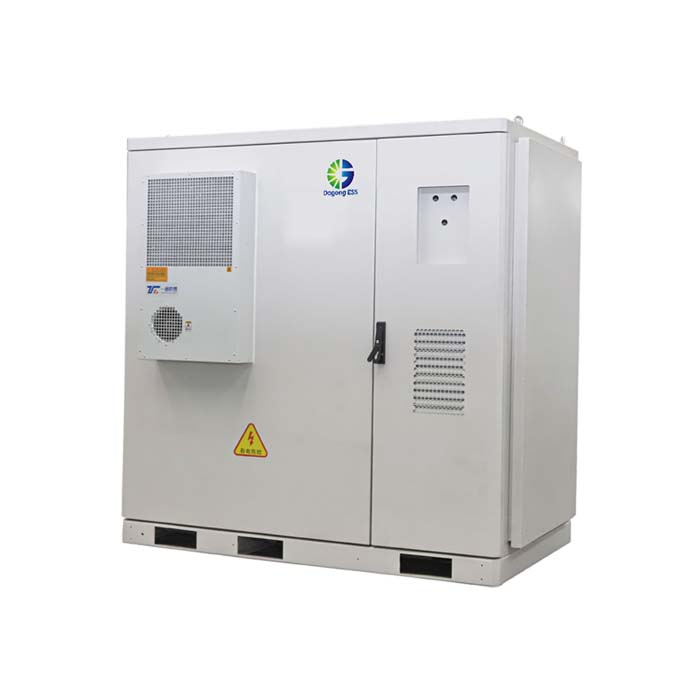
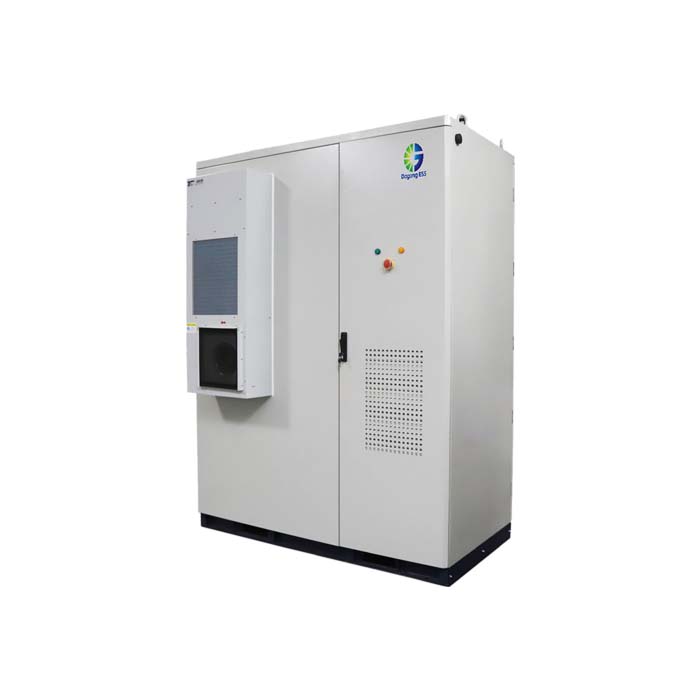
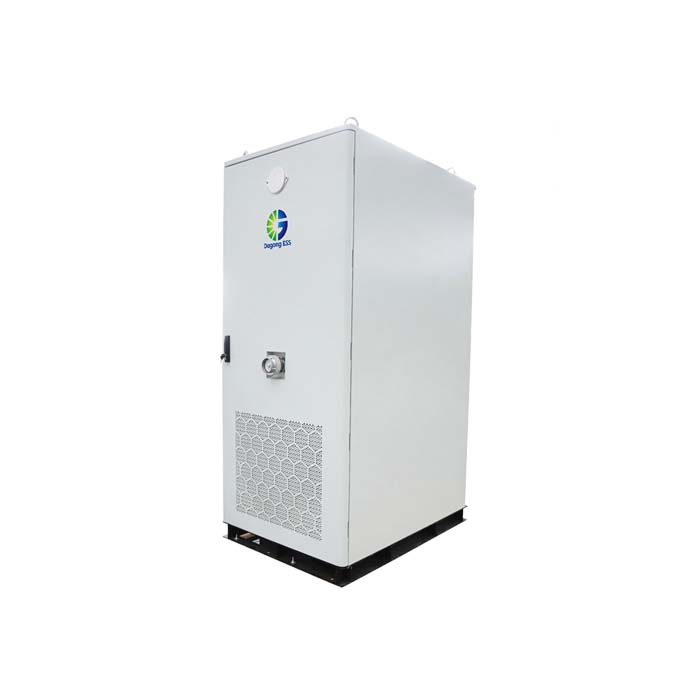
In factories, commercial buildings, and industrial parks, AI-based EMS reduces peak demand charges and improves self-consumption of on-site solar generation. For systems such as the 100kWh–144kWh Air-Cooled ESS or 215kWh–416kWh Air-Cooled ESS, intelligent scheduling can reduce electricity costs by 20–35%.
Microgrids and Renewable Integration
AI helps microgrids coordinate solar, wind, diesel generators, and battery storage. By predicting renewable output and load variations, the system maximizes renewable utilization and ensures stable operation during grid outages.
Utility-Scale and Virtual Power Plants (VPP)
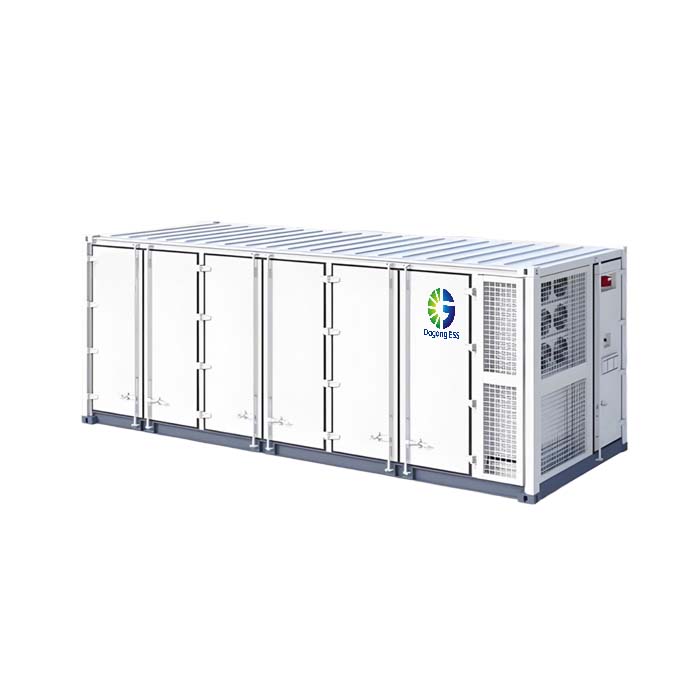
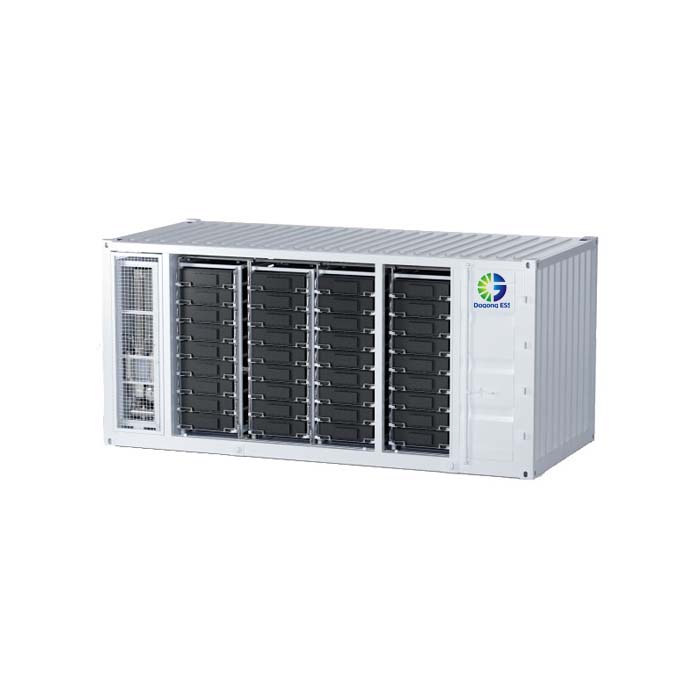
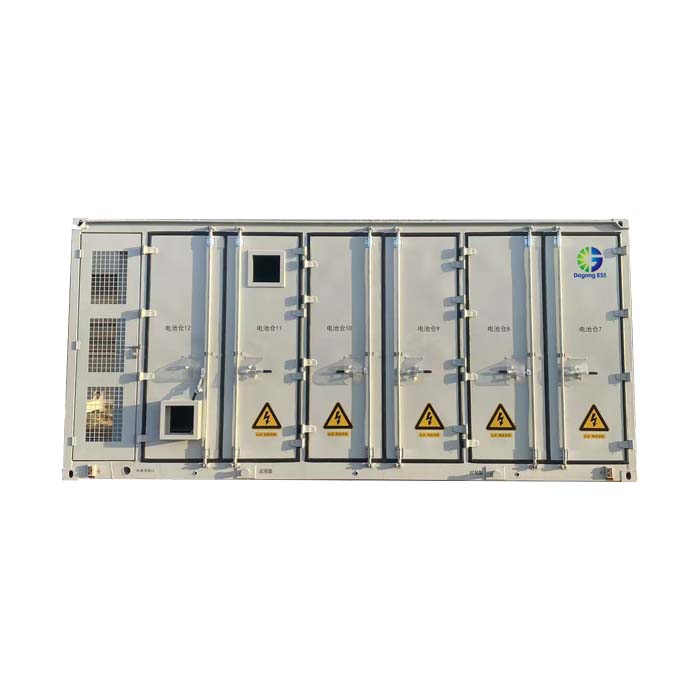
Large installations, including 241kWh and 372kWh Liquid-Cooled ESS arrays or 5MWh liquid-cooled container systems, can be aggregated into virtual power plants. AI algorithms optimize market bidding across day-ahead, real-time, and ancillary service markets, increasing project revenue and grid flexibility.
Price of AI-Based Energy Storage Systems
The cost of an AI-enabled energy storage system depends on several factors, including system capacity, battery type, cooling method, control architecture, and project-specific requirements.
In general, AI functionality is integrated within the EMS platform and does not significantly increase hardware costs. However, system-level pricing varies based on project scale and customization needs. For accurate cost evaluation, project developers should consult suppliers with detailed technical specifications and application scenarios.
How to Select an AI-Driven EMS for Your Project?
When evaluating AI-based EMS solutions, consider the following factors:
Forecasting Accuracy and Optimization Capability
Look for systems that support advanced prediction models and multi-objective optimization.Scalability and Communication Standards
The EMS should support industrial protocols such as Modbus, IEC 61850, or SunSpec and enable expansion from single cabinets to large-scale sites.Software Upgrade and Remote Management
OTA updates and cloud monitoring ensure long-term performance improvements without hardware replacement.Compatibility with System Architecture
AI functions should integrate seamlessly with PCS, BMS, and thermal management systems, especially for large C&I and utility projects.
How Long Does an AI-Optimized Energy Storage System Last?
System lifetime depends primarily on battery chemistry, operating conditions, and control strategy. With AI-assisted operation, batteries can avoid excessive cycling and thermal stress, supporting more than 8,000 cycles and a service life of 15 years or longer under proper conditions.
Predictive maintenance and early fault detection further reduce downtime and maintenance costs, improving overall project reliability.
The Future of AI in Energy Storage
The integration of AI and energy storage is expected to accelerate over the next decade. Key trends include:
Edge AI deployment for faster local decision-making
Digital twins for simulation and predictive maintenance
Integration with EV charging, flexible loads, and distributed energy resources
Enhanced cybersecurity and explainable AI for grid compliance
As renewable penetration increases and electricity markets become more dynamic, intelligent EMS will become a standard requirement rather than a premium feature.
Within this evolving landscape, many energy storage providers are expanding their solutions to include advanced software capabilities alongside reliable hardware platforms. Modular systems such as commercial air-cooled ESS, liquid-cooled industrial solutions, and containerized utility-scale storage offered by companies like Dagong ESS are increasingly designed to support intelligent energy management, scalable deployment, and long-term operational efficiency across a wide range of applications.
If you are interested in energy storage solutions, please contact Dagong ESS
Email: sales@dagongess.com