
 WhatsApp
 sales@dagongess.com
 +86 18137952759
DC-Side Containerized Energy Storage: Architecture, Efficiency, and Grid Applications
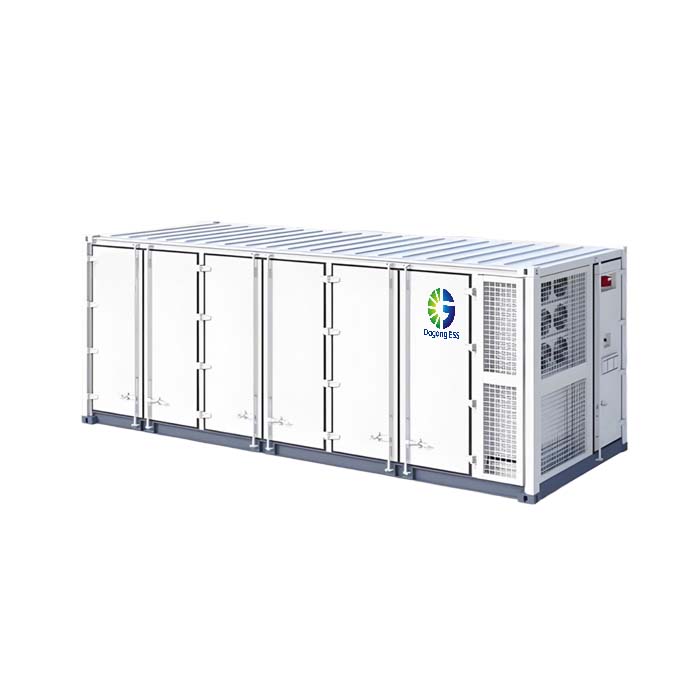
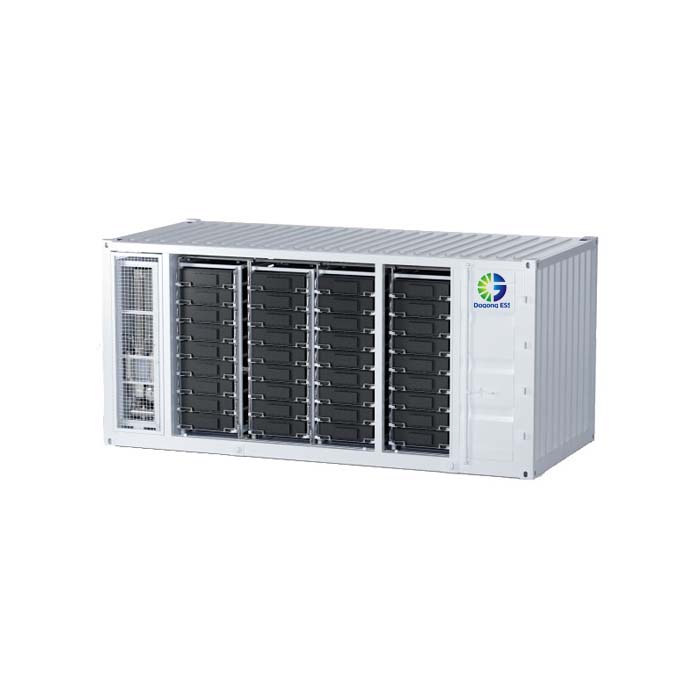
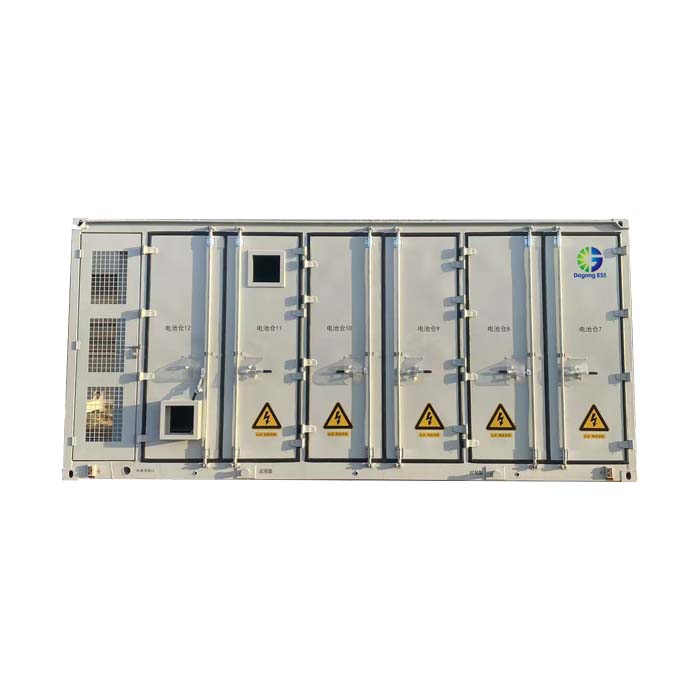
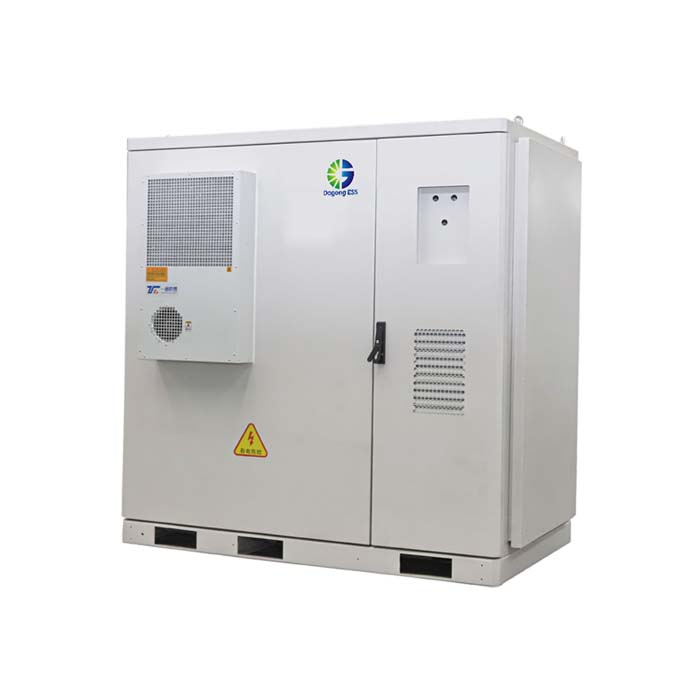
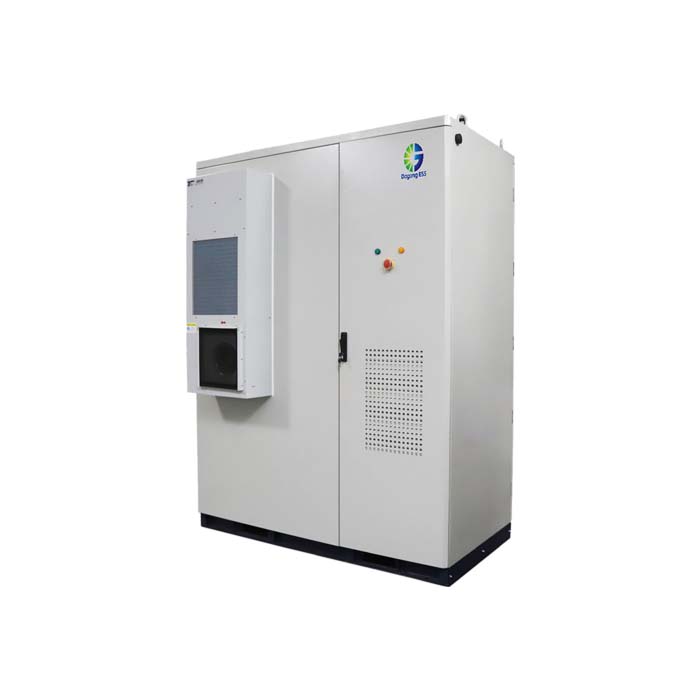
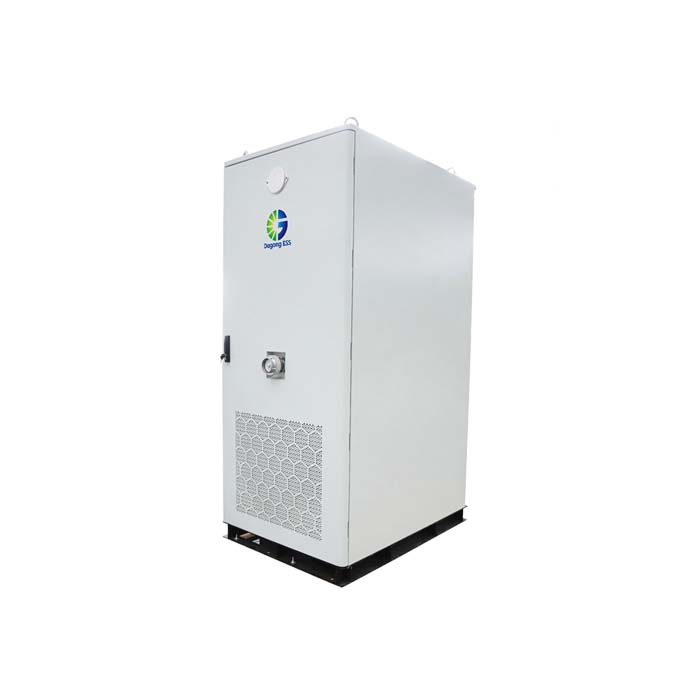
DC-side container energy storage refers to a system architecture in which battery modules are connected directly to a DC bus before power is converted to AC for grid interaction. Inside the container, the system typically integrates battery packs, a battery management system (BMS), thermal management, fire protection, and monitoring components. The power conversion system (PCS) may be installed externally or integrated depending on project design.
Most modern DC-coupled energy storage systems operate at high voltage levels, typically between 1000V and 1500V DC. Higher voltage reduces current for the same power level, lowering transmission losses and improving overall efficiency. This architecture has become increasingly popular in large renewable energy projects where performance and lifecycle economics are critical.
Compared with traditional AC-side configurations, the DC-side approach simplifies energy flow paths and minimizes unnecessary conversion stages, making it particularly suitable for solar and wind integration.
Types of DC-Side Battery Container Systems
Different project requirements lead to several types of battery container systems, typically categorized by cooling method, capacity, and application scale.
Air-cooled systems use forced ventilation and are suitable for moderate climates and smaller commercial applications. They offer lower upfront costs and relatively simple maintenance.
Liquid-cooled systems represent the current technological trend for high-performance applications. By using liquid cooling plates or circulation systems, temperature differences between cells can be controlled within a narrow range (often ±3°C), improving battery consistency, safety, and lifespan.
For large infrastructure projects, utility-scale energy storage containers typically provide capacities ranging from several megawatt-hours per unit. These systems are pre-integrated with battery modules, safety systems, and intelligent controls to enable rapid deployment.
Another important feature is modularity. Multiple containers can be connected in parallel through a DC bus, allowing flexible capacity expansion without complex AC synchronization.
Key Technical Advantages of DC-Coupled Energy Storage
The growing adoption of DC-side container energy storage is driven by several technical benefits.
Higher System Efficiency
Operating at high DC voltage reduces I²R losses during power transmission. In addition, eliminating redundant conversion stages improves round-trip efficiency, especially in renewable projects where energy may otherwise undergo DC–AC–DC conversion.
Compact Footprint and High Energy Density
By simplifying the power architecture, DC systems optimize internal space utilization. Modern designs can achieve 15–20% higher energy density compared with conventional AC-side container configurations.
Enhanced Safety Design
Advanced thermal management enables real-time temperature monitoring at module or cell level. Integrated safety measures such as thermal runaway prevention, automatic fire suppression, and emergency ventilation improve system reliability under demanding operating conditions.
Long Cycle Life
High-quality lithium iron phosphate (LFP) batteries typically deliver 6000–8000+ cycles at 80% depth of discharge, equivalent to more than 15 years of operation in many applications.
Scalability and Flexibility
The DC bus structure allows seamless expansion by adding additional battery containers. This simplifies project phasing and supports future capacity upgrades.
Intelligent Monitoring and Control
Modern platforms provide real-time performance data, fault diagnostics, remote operation, and predictive maintenance, reducing operational risks and maintenance costs.
Applications in Renewable and Grid Projects
The advantages of DC-coupled energy storage systems make them particularly valuable in high-efficiency energy infrastructure.
Utility-Scale Solar Plants
Direct DC coupling between photovoltaic arrays and battery containers avoids unnecessary conversion stages, improving round-trip efficiency by 3–5%. This architecture is widely used in large solar projects ranging from tens to hundreds of megawatt-hours.
Wind Energy Integration
In wind farms, DC-side storage helps smooth power fluctuations and improves grid stability while maintaining high efficiency.
Frequency Regulation and Grid Services
High-response battery systems support fast charge/discharge cycles required for frequency regulation, spinning reserve, and voltage control.
Commercial and Industrial Backup
Large manufacturing facilities, logistics centers, and data centers use containerized storage for peak shaving, load shifting, and power reliability.
Microgrids and Remote Areas
In off-grid or weak-grid regions, modular battery container systems optimize renewable utilization and reduce reliance on diesel generators.
Cost Factors for DC-Side Container Energy Storage
The cost of utility-scale battery container systems varies significantly depending on several factors:
Battery chemistry (LFP vs. higher-density alternatives)
Cooling technology (liquid cooling typically has higher upfront cost but better lifecycle value)
System capacity (larger projects benefit from economies of scale)
Project location, installation complexity, and regulatory requirements
Because each project involves different design conditions, accurate pricing usually requires a customized technical evaluation and lifecycle cost analysis.
How to Select the Right DC-Side Energy Storage System
When specifying a DC-side container energy storage solution, project developers should evaluate:
Required energy capacity and discharge duration
Voltage architecture (1000V vs. 1500V DC)
Local climate and cooling requirements
Expected cycling intensity and lifespan targets
Compliance with regional standards (UL, IEC, CE, grid codes)
Supplier engineering capabilities and long-term support
The choice of system architecture should balance efficiency, reliability, and long-term operational cost rather than focusing only on initial investment.
Expected Service Life
The operational lifespan of DC-coupled battery container systems depends on several factors:
Cycle life: Quality LFP batteries typically reach 6000–8000 cycles
Calendar aging: Proper temperature and state-of-charge management reduces degradation
Environmental conditions: Effective thermal control can extend life by 20–30%
Maintenance practices: Regular system checks, firmware updates, and thermal system servicing improve long-term performance
Field experience shows that well-managed systems can maintain over 80% capacity after 10 years of operation.
Industry Perspective: Choosing a Reliable Supplier
As project sizes increase, supplier capability becomes a critical factor. A qualified provider should demonstrate:
Expertise in battery technology and system integration
Proven deployment experience across different applications
Compliance with international certification standards
Engineering support from design to commissioning and operation
In recent years, several manufacturers have introduced high-voltage DC container platforms. For example, companies such as Dagong ESS offer modular solutions ranging from commercial-scale units to 5MWh liquid-cooled container systems, reflecting the broader industry shift toward high-efficiency, DC-optimized architectures for renewable and grid projects.