
 WhatsApp
 sales@dagongess.com
 +86 18137952759
AC-Side Containerized Energy Storage: Flexible Integration for Grid and Retrofit Projects
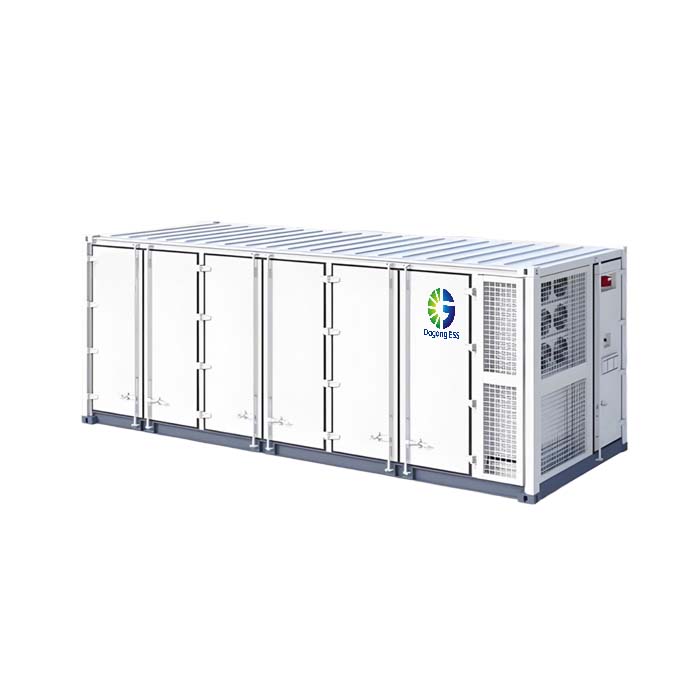
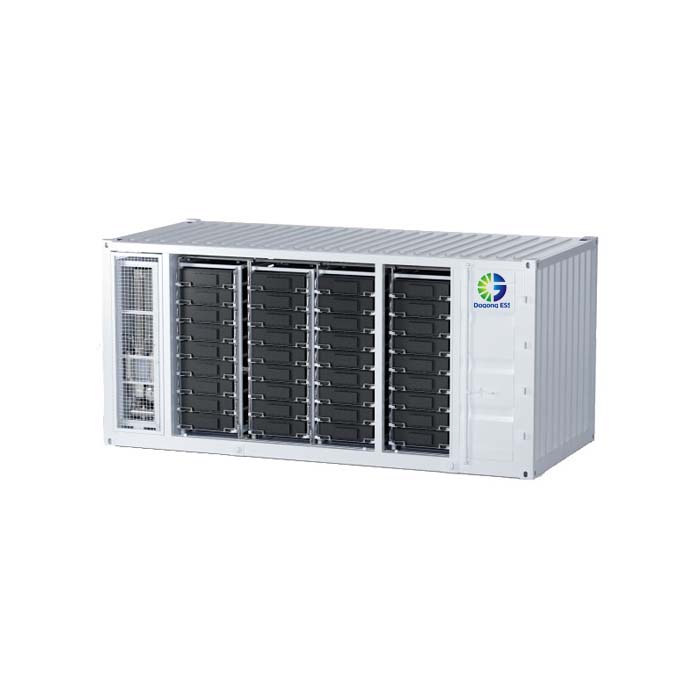
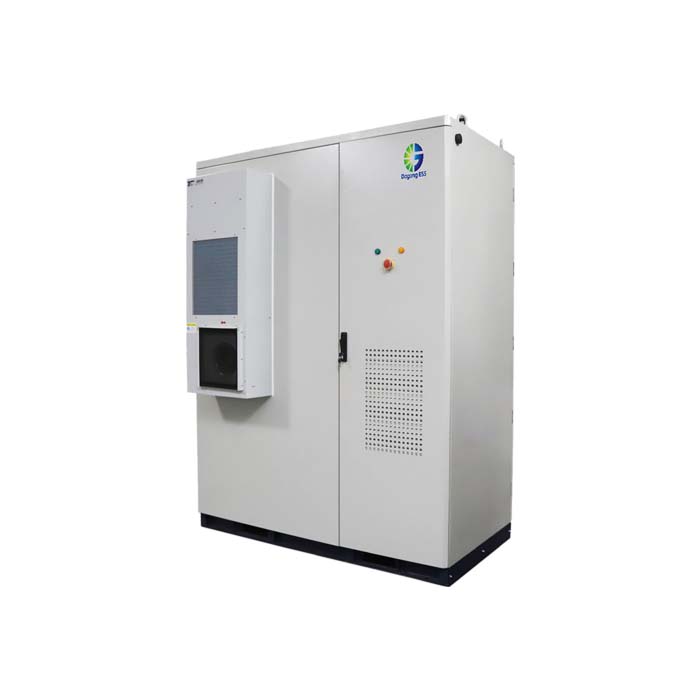
AC-side container energy storage refers to a system architecture in which battery modules are integrated with power conversion equipment inside a standardized enclosure and deliver electricity directly as alternating current to the grid or facility loads. In a typical AC-coupled energy storage system, the container houses a complete set of subsystems, including battery packs, a battery management system (BMS), bidirectional PCS/inverter, transformer, thermal management, fire protection, and centralized control. Because the system outputs AC power rather than connecting to an external DC bus, installation and grid interconnection are significantly simplified.
This integrated design makes containerized energy storage systems particularly suitable for projects where deployment speed, operational flexibility, and compatibility with existing electrical infrastructure are critical. Instead of complex multi-vendor integration, the container functions as a self-contained energy unit that can be transported, installed, and commissioned with minimal on-site engineering work.
System Configurations and Deployment Models
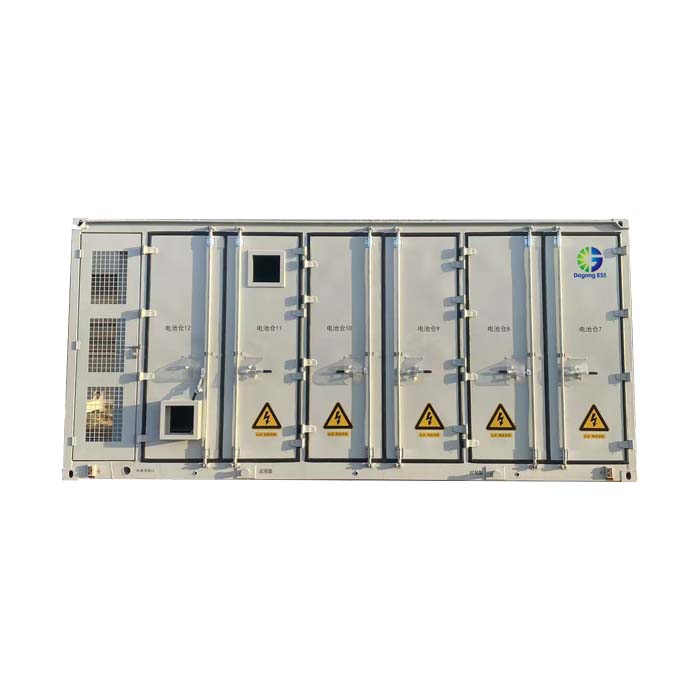
AC-side systems are available in a range of configurations depending on application scale and integration requirements. Fully integrated containers combine batteries, PCS, and transformers within a single enclosure, allowing rapid plug-and-play deployment in commercial and industrial environments where downtime must be minimized. For larger projects, utility-scale containers typically provide multi-megawatt-hour capacity, with PCS configurations tailored to match grid voltage levels and power requirements.
One of the most valuable characteristics of AC-coupled energy storage is its suitability for retrofit scenarios. Existing photovoltaic or wind installations can add storage capacity without modifying their original DC design or replacing inverters, significantly reducing upgrade complexity and project risk. In addition, hybrid deployment models are becoming increasingly common, where multiple containers operate together or are combined with different energy sources to improve system flexibility and resilience. This modular approach allows developers to scale capacity gradually as demand grows.
Technical Advantages of AC-Coupled Architecture
The growing adoption of grid-connected battery storage on the AC side is largely driven by its practical engineering advantages. Because the PCS and transformer are already integrated, the system connects directly to facility distribution networks or utility grids, reducing design complexity and shortening project timelines. For existing renewable plants, AC coupling enables storage expansion without altering the original power generation system, making it one of the most cost-effective modernization strategies.
Operational flexibility is another key strength. Each container operates as a complete and independent power unit, allowing it to function either in parallel with the grid or in island mode when necessary. This capability supports backup power applications, microgrids, and off-grid energy systems. With sufficient capacity, AC containers can also provide black-start functionality, restoring power to critical facilities after a complete outage.
From a reliability perspective, integrated system design reduces coordination challenges between battery suppliers and power electronics vendors, while built-in fire protection, environmental control, and safety interlocks enhance operational security. Advanced thermal management—particularly liquid cooling—helps maintain uniform cell temperatures, improving performance consistency and extending system life. At the same time, modular deployment allows multiple containers to operate independently or under coordinated control through an energy management system, enabling flexible expansion without major infrastructure changes.
Application Scenarios Across Energy Sectors
The flexibility of AC-side container energy storage systems allows them to serve a wide range of energy applications. In commercial and industrial facilities, they provide reliable backup power during outages while also supporting peak shaving and demand charge management to reduce electricity costs. For renewable energy developers, AC containers offer a practical way to upgrade existing solar plants by adding storage without redesigning the DC side, improving energy utilization and enabling time-shifted power delivery.
In remote areas, islands, and industrial sites with weak grid connections, AC-coupled systems form the backbone of microgrids by enabling stable operation and seamless transitions between grid-connected and standalone modes. Their fast response characteristics also make them valuable for grid-support services such as voltage regulation, reactive power compensation, and power quality improvement. As electrification expands, these systems are increasingly deployed alongside electric vehicle charging infrastructure to manage peak loads, reduce grid stress, and prepare for future vehicle-to-grid integration.
Cost Factors and Economic Considerations
The investment required for an AC-side container energy storage system varies depending on system capacity, integration level, and technical configuration. Fully integrated solutions generally involve higher upfront equipment costs but often reduce engineering effort, installation time, and integration risk, resulting in lower overall project complexity. System economics are also influenced by PCS power rating, advanced functionality such as grid-forming capability, and the choice of cooling technology. While liquid cooling typically increases initial cost, it can improve lifecycle performance and reduce degradation in demanding operating environments.
Project scale plays an important role as well, since multi-container deployments benefit from economies of scale and shared balance-of-system infrastructure. Because operating strategy, cycling frequency, and environmental conditions significantly affect long-term performance, developers increasingly focus on total lifecycle cost rather than initial purchase price when evaluating solutions.
System Selection and Expected Service Life
Selecting the right containerized energy storage system requires balancing power requirements, energy capacity, and site conditions. Applications such as frequency regulation or heavy peak shaving demand higher PCS power ratings, while backup or energy shifting projects emphasize battery capacity. Compatibility with local grid voltage and frequency standards must be verified, along with communication requirements for SCADA or facility energy management systems. Environmental conditions should also be considered when choosing between air-cooled and liquid-cooled designs, particularly in high-temperature or high-cycle environments.
Most modern systems use lithium iron phosphate (LFP) batteries, which typically achieve 6000–8000 cycles at standard operating conditions, corresponding to approximately 15–20 years of service life. Power conversion systems generally have a design life of 10–15 years and require periodic maintenance, while effective thermal management can extend battery lifespan by as much as 20–30% in challenging climates. With proper operation and maintenance, many installations retain more than 80% of their original capacity after a decade of use.
Industry Perspective: Toward Standardized and Modular Deployment
As energy storage becomes a core component of modern power infrastructure, the industry is moving toward standardized, modular systems that reduce project complexity while improving reliability. Integration capability—how effectively batteries, power electronics, control platforms, and safety systems operate as a unified solution—has become a key factor in supplier selection.
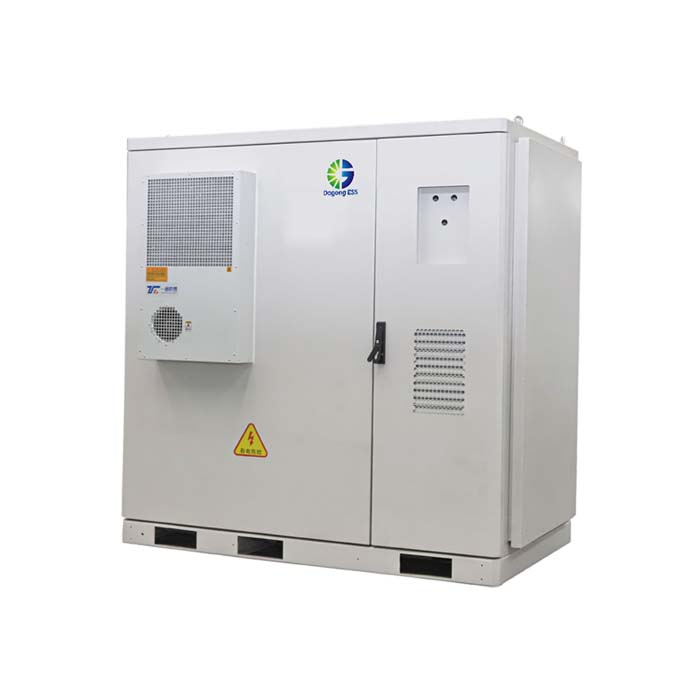
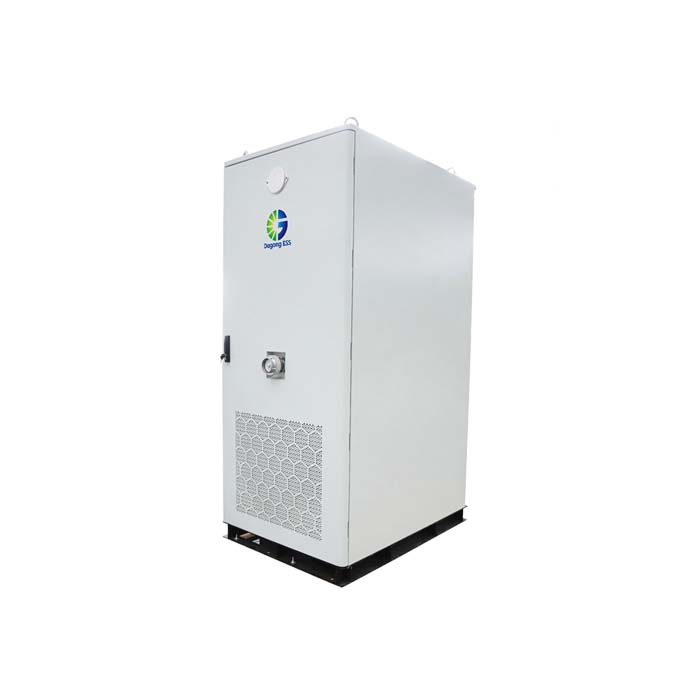
Many manufacturers now offer pre-engineered AC container platforms designed for fast deployment and global grid compatibility. For example, companies such as Dagong ESS provide a range of solutions from compact commercial units to multi-megawatt-hour container systems with both air-cooled and liquid-cooled configurations, reflecting the broader industry trend toward flexible, scalable grid-connected battery storage solutions that can adapt to diverse application requirements.