
 WhatsApp
 sales@dagongess.com
 +86 18137952759
- 2025-10-03 08:00:04
Comparing Battery Chemistries: Why LFP's Cycle Life Surpasses NMC in ESS
Lithium Iron Phosphate (LFP) and Nickel Manganese Cobalt (NMC) batteries are two widely used lithium-ion chemistries for energy storage.
Read More
Lithium Iron Phosphate (LFP) and Nickel Manganese Cobalt (NMC) batteries are two widely used lithium-ion chemistries for energy storage.
Read MoreMW-Level Flash Charging refers to high-power energy storage systems capable of charging and discharging at megawatt (MW) levels within extremely short timeframes.
Read MoreA Battery Management System (BMS) is a critical electronic system that monitors, protects, and optimizes the performance of a battery pack. In energy storage systems (ESS), the BMS ensures that batteries operate safely, efficiently, and within design specifications.
Read MoreA Power Conversion System (PCS) is a core component in energy storage systems that converts DC electricity from batteries into AC electricity for use by loads or the grid, and vice versa.
Read MoreA Power Conversion System (PCS) is a key component in energy storage systems (ESS) that converts DC electricity from batteries to AC electricity for grid or load use, and vice versa.
Read MoreAn Energy Management System (EMS) is an intelligent software and hardware solution that monitors, controls, and optimizes energy storage and consumption. In modern ESS, EMS ensures efficient energy usage, peak shaving, and load management, enabling users to maximize ROI.
Read MoreLithium Iron Phosphate (LFP) batteries are one of the most reliable energy storage technologies available today. With their high safety profile, long cycle life, and stable performance, LFP batteries are increasingly being used as backup power systems for homes, businesses, and industrial facilities.
Read MoreA residential Battery Management System (BMS) is an essential component of home energy storage systems (ESS) that monitors, protects, and optimizes battery performance.
Read MoreLearn what battery cycle life means for energy storage systems, why it matters for residential, commercial, and industrial applications, and how LFP ESS solutions from Dagong ESS deliver long-lasting performance.
Read MoreDiscover how Dagong ESS LFP energy storage systems provide safe, scalable, and efficient solutions for residential, commercial, and industrial applications. Explore system types, features, applications, pricing insights, and supplier options.
Read More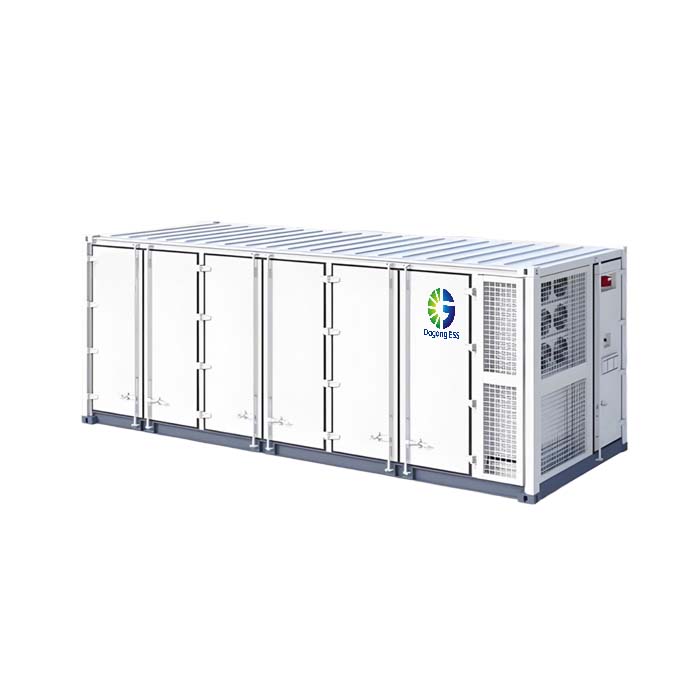
The 5MWh Liquid-Cooled Container Energy Storage System delivers high-performance energy management for industrial and commercial applications. Featuring advanced liquid cooling technology for superior thermal control and extended cycle life, this system ensures reliable operation in demanding environments. With a modular, CTP-based design, it supports flexible capacity expansion and streamlined installation. Equipped with real-time monitoring, fault diagnostics, and robust safety mechanisms, it achieves over 8,000 cycles (70% SOH) and a service life exceeding 15 years (assuming one cycle per day). Ideal for industrial parks, data centers, and large-scale commercial power needs, it offers a durable and scalable energy storage solution.
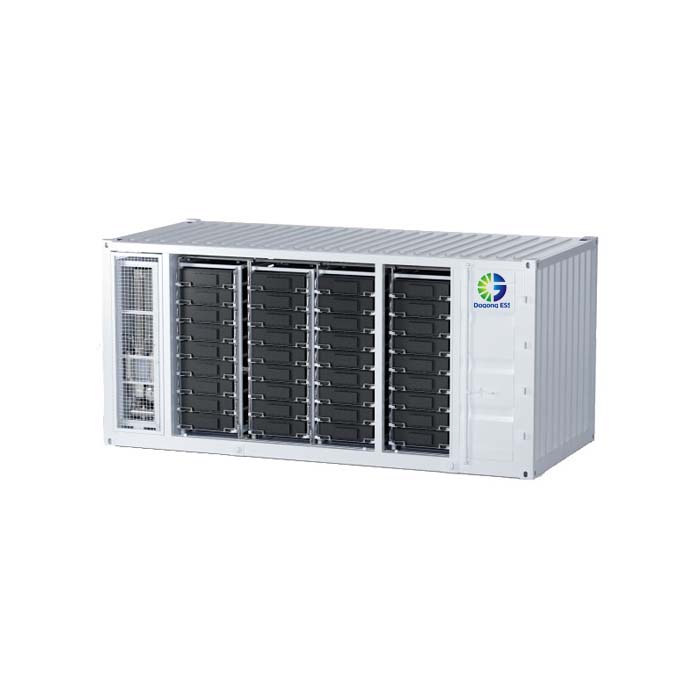
The 3.35MWh Liquid-Cooled Energy Storage Container is a high-capacity solution for efficient power management, using safe and durable Lithium Iron Phosphate (LiFePO4) cells. With a rated capacity of 3.35MWh and power of 1.5MW, it is ideal for large-scale energy storage. Operating at 1040~1497V, it features a liquid-cooling system for optimal temperature control and performance.
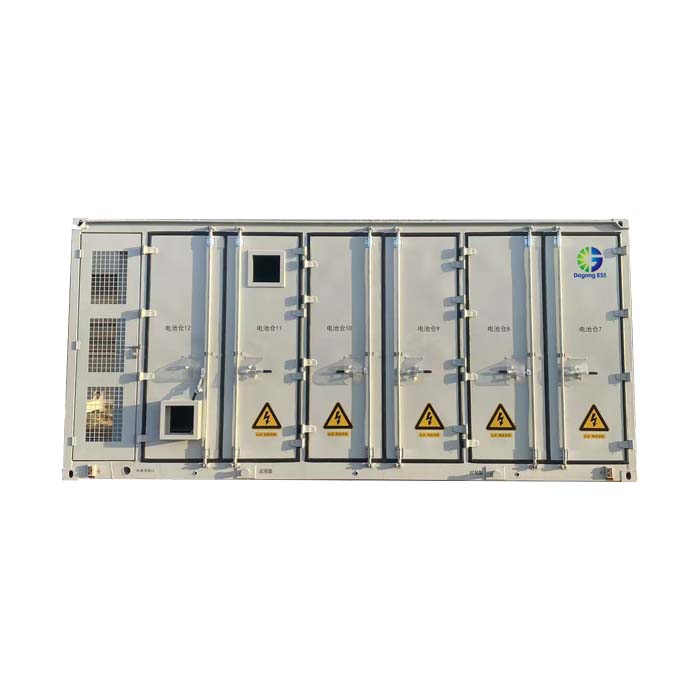
The 5MWh Air-Cooled Container Energy Storage System is a reliable, high-performance solution for industrial and commercial applications. It features easy transport, installation, and maintenance, along with real-time monitoring and fault recording. The modular design and CTP technology enable flexible expansion. With robust safety features, over 8,000 cycles (70% SOH), and a 15+ year lifespan (one charge per day), it ensures long-term efficiency.
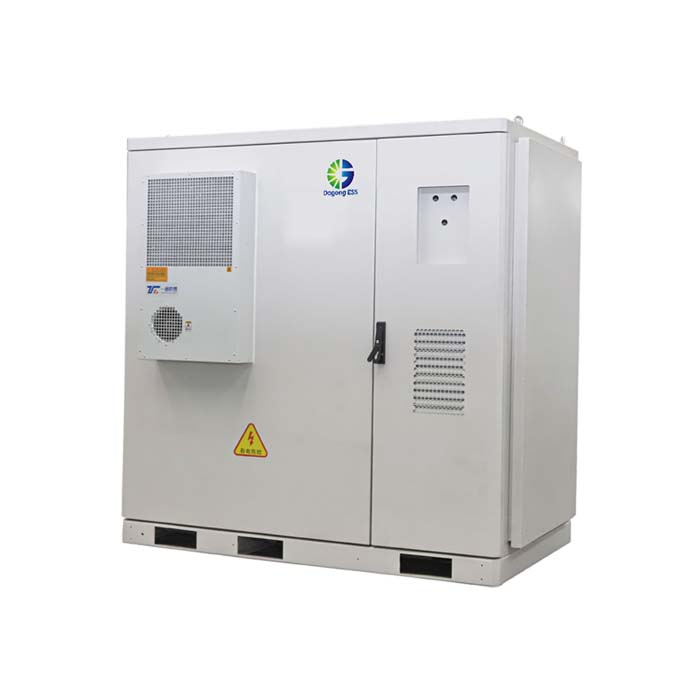
The 144kWh air-cooled Energy Storage System is a high-performance energy storage system using LFP batteries, offering capacities from 144kWh and power options up to 50kW. It features a built-in hybrid inverter, supporting both solar power (PV) and grid (AC) charging modes. With wide voltage and temperature ranges, IP54 protection, and industrial cooling, it is ideal for industrial and commercial applications, ensuring reliable power supply in diverse environments.
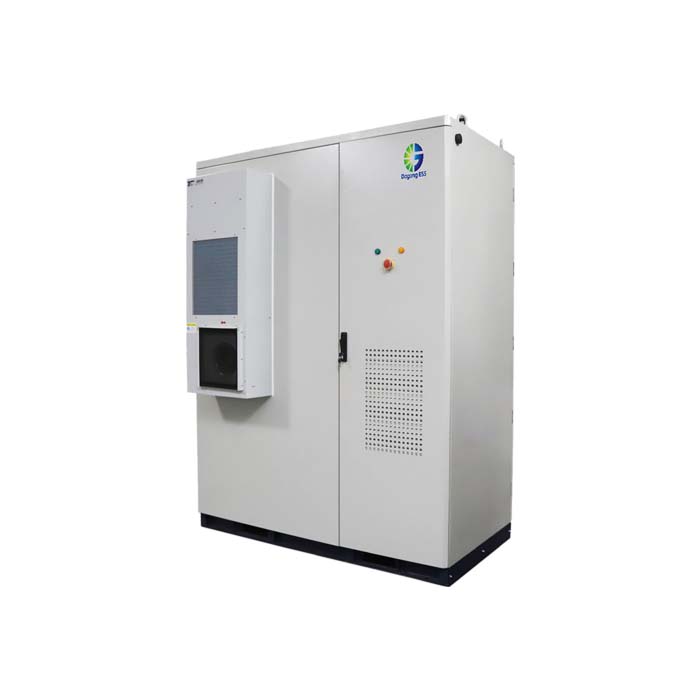
The 241kWh Air-Cooled Energy Storage System is a reliable, high-performance energy storage solution for industrial and commercial applications. Featuring a modular design with CTP technology, it offers easy transport, installation, and maintenance. The system supports parallel expansion, real-time monitoring, and fault recording. With over 8,000 cycles (70% SOH) and a lifespan of over 15 years, it ensures long-term reliability. Certified with CE, UN38.3, MSDS, and 3C for safety and compliance.
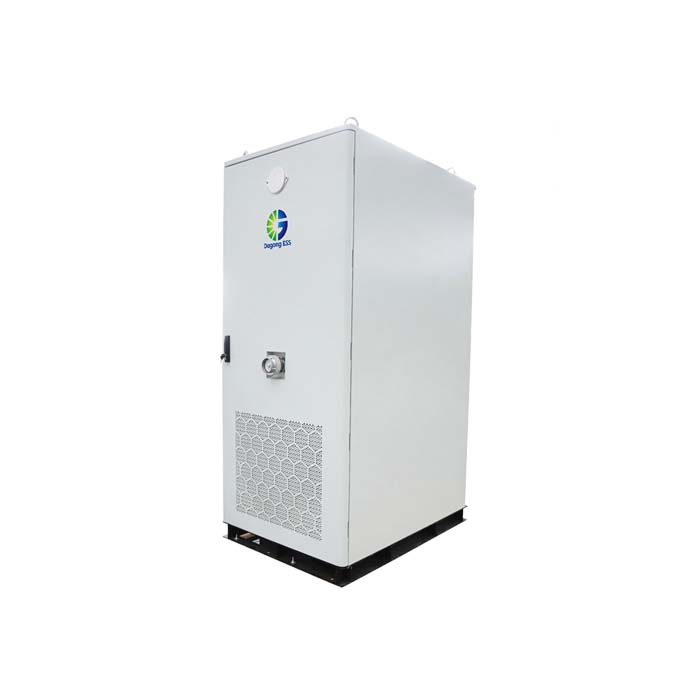
The 241kWh Liquid-Cooled Energy Storage System is an efficient and reliable solution designed for industrial and commercial users.The system is highly integrated, easy to transport, install, and maintain, with real-time monitoring and fault recording. Its modular design and CTP technology support parallel expansion, offering flexibility and ease of use. Safety is ensured with multiple battery protection levels, and the system boasts excellent cycle performance, with over 8,000 cycles(70% SOH) and a service life of over 15 years (one charge per day).

Copyright © 2024 By Dagong ESS