- Email: sales@dagongess.com
- Call: +8618137952759


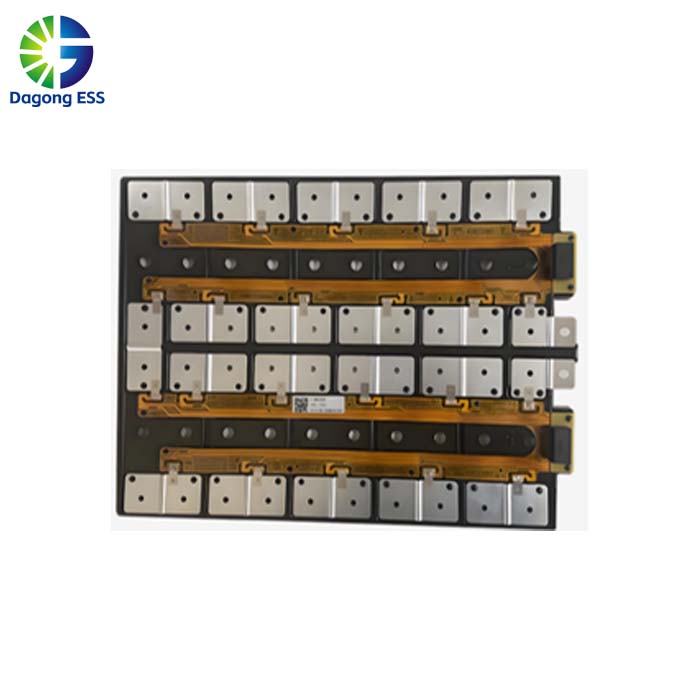
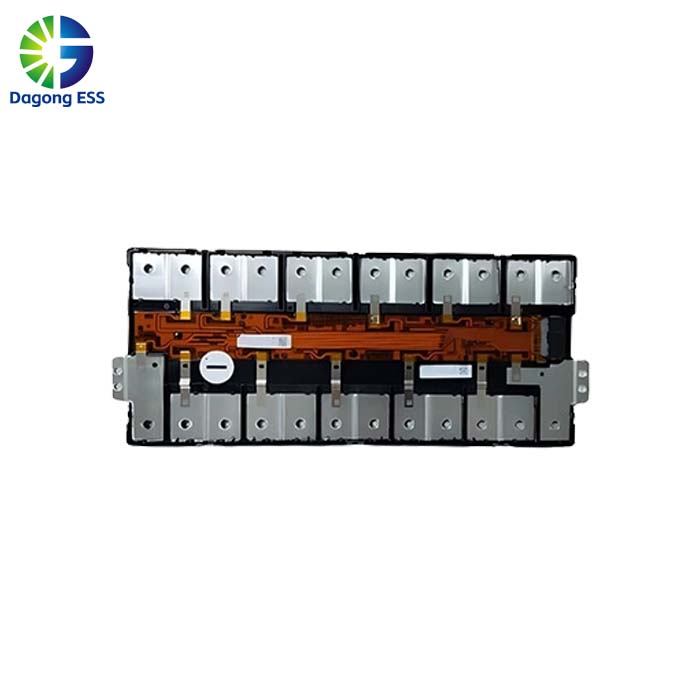
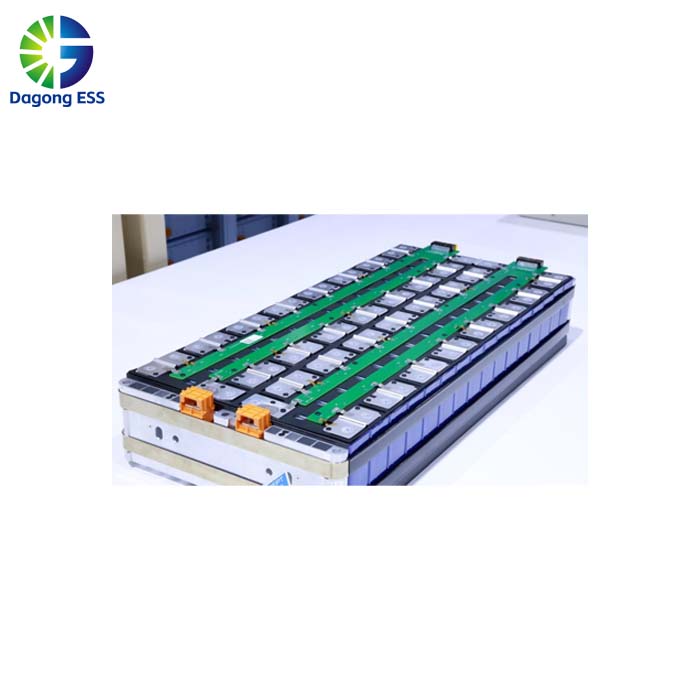
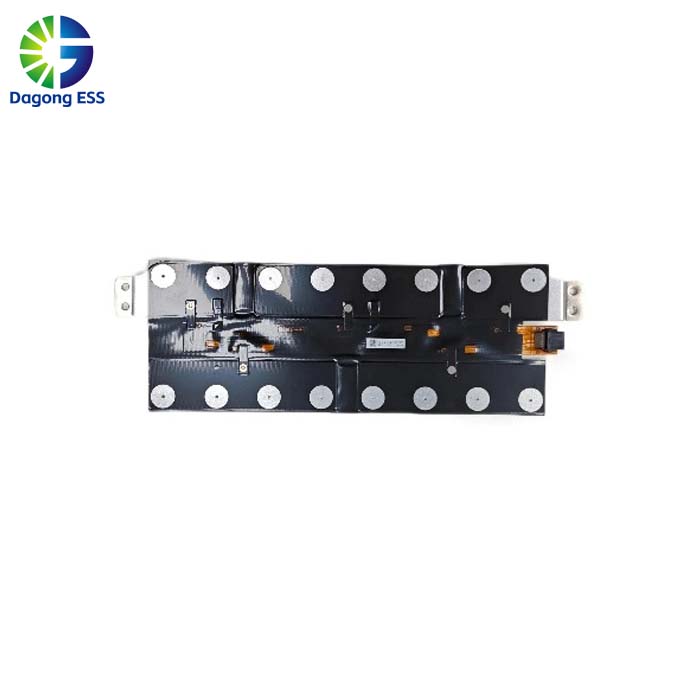
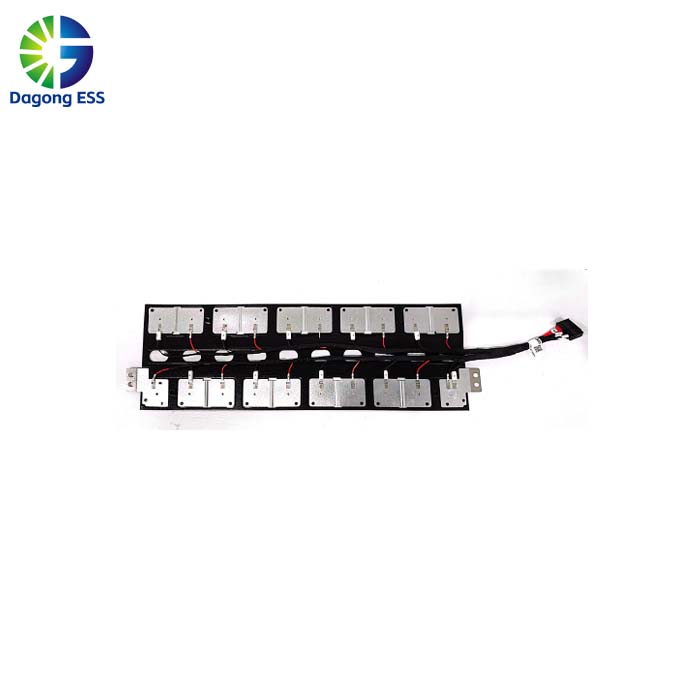
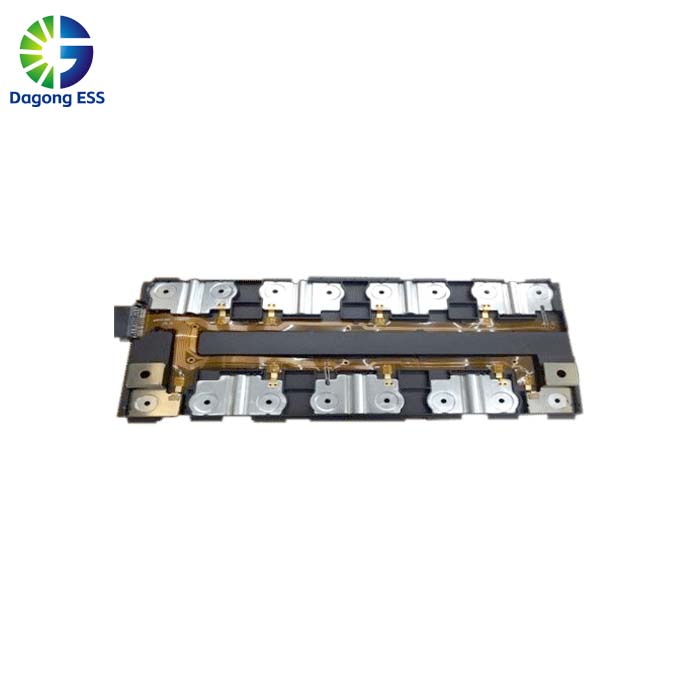
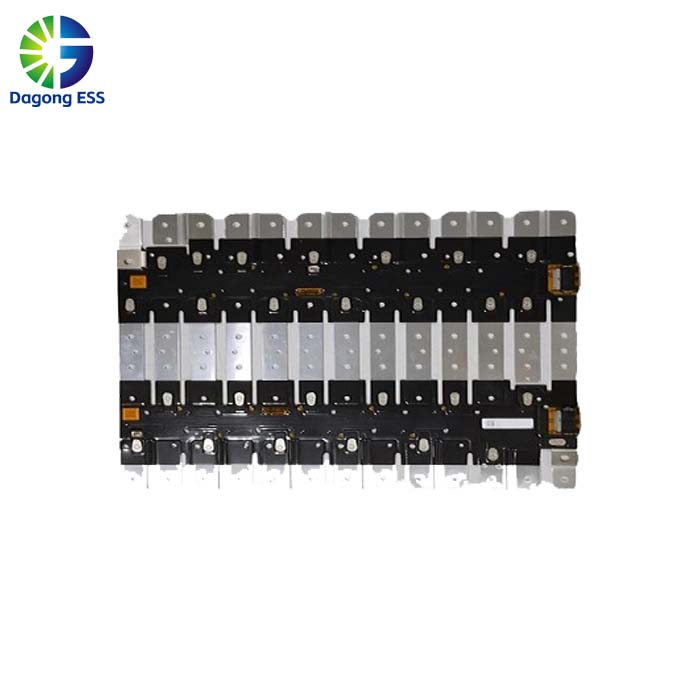
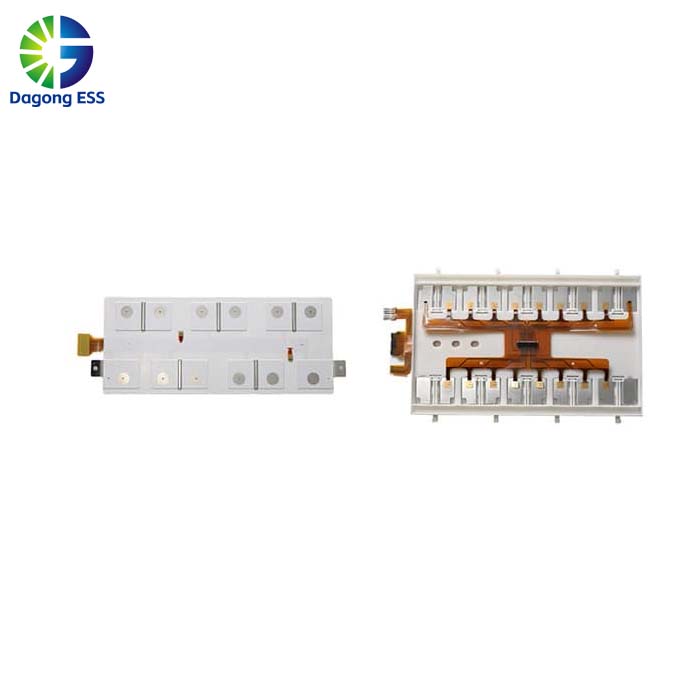
The CCS with Integrated Busbar is an essential electrical and signal interface for lithium battery modules in energy storage systems. It integrates busbars, signal circuits, insulation, and structural components into a compact module, enabling cell series/parallel connection, voltage and temperature sampling, and overcurrent protection, with signals transmitted directly to the BMS. Multiple configurations—including FPC /FCC / PCB / FDC / FFC / Wire Harness types—are available to meet different design, automation, and cost requirements.
Application: Lithium battery modules for energy storage systems (ESS)
Functions: Cell series/parallel connection, voltage sampling, temperature sensing
Busbar Material: Aluminum (copper optional)
Integration Level: Busbar, signal circuits, insulation, and structural parts
Signal Collection Options: FPC /FCC / PCB / FDC / FFC / Wire Harness
Customization: Layout, dimensions, connector type, fuse configuration
Assembly Compatibility: Suitable for automated and mass production lines
The Battery Cell Contact System (CCS) with Integrated Busbar is a key electrical and signal interface inside lithium battery modules. It integrates conductive busbars, voltage and temperature sensing circuits, insulation layers, and structural components into a compact module.
The CCS performs several critical functions:
High-voltage cell series and parallel interconnection
Voltage sampling for each cell
Temperature sensing via NTC sensors
Overcurrent protection through integrated fuse structures
With its integrated design, the CCS offers:
High structural integration
Reduced wiring complexity
Improved reliability
Compact module layout
Compatibility with automated assembly
This makes it a standard solution for modern battery packs used in energy storage systems and electric vehicles.
Features of the CCS with Integrated Busbar
This CCS solution integrates aluminum busbars, signal acquisition components, insulation materials, and mechanical support structures into a compact assembly. The integrated design minimizes discrete wiring, optimizes internal space utilization, and supports high integration levels required by modern ESS battery modules. The product is highly customizable and can be adapted to different module sizes, cell arrangements, and BMS interfaces.
CCS Signal Collection Types
To meet different performance, weight, automation, and cost requirements, CCS systems are available in several signal collection configurations.
1. FPC-Based CCS (Flexible Printed Circuit)
Typical Structure:
FPC + nickel tabs + aluminum busbar + thermoformed or heat-pressed insulation
Features:
· Ultra-lightweight structure
· Excellent flexibility and insulation performance
· Integrated voltage and temperature sensing
· High automation compatibility
· Higher cost compared to wire harness or FDC solutions
Typical Use:
High-performance ESS or EV battery modules requiring lightweight design.
2. FCC Hybrid CCS (Flexible Cable + Die-Cut Circuit)
Typical Structure:
FFC main cable + windowed soldered FPC or FDC branches
Features:
Hybrid signal collection structure
Voltage sampling without nickel tabs
Direct ultrasonic welding to aluminum busbars
Reduced material cost
Optimized manufacturing process
Typical Use:
Next-generation battery modules and cost-optimized high-volume projects.
3. PCB-Based CCS (Rigid Printed Circuit Board)
Typical Structure:
PCB + nickel tabs + aluminum busbar + thermoformed or heat-pressed insulation
Features:
Integrated signal acquisition design
Lightweight and compact structure
Stable and reliable signal transmission
High automation compatibility
Typical Use:
Battery modules requiring high integration and automated assembly.
4. FDC-Based CCS (Flexible Die-Cut Circuit)
Typical Structure:
Die-cut flexible circuit + aluminum busbar
Features:
Simplified manufacturing process
About 30% lower process cost compared to FPC
Shorter production cycle
Environmentally friendly process
Suitable for high-volume production
Typical Use:
Mass-production ESS battery modules focusing on cost efficiency.
5. FFC-Based CCS (Flexible Flat Cable)
Typical Structure:
FFC + nickel tabs + aluminum busbar + thermoformed or heat-pressed insulation
Features:
Lightweight structure
Suitable for long battery modules
Stable signal transmission
High automation compatibility
Cost-reduction potential compared to FPC
Typical Use:
Large or elongated battery module designs with cost optimization goals.
6. Wire Harness CCS
Typical Structure:
Wire harness + sampling terminals + NTC + aluminum busbar + molded or thermoformed support
Features:
Mature and widely used technology
Stable and reliable signal transmission
Separate wiring for voltage and temperature sensing
Cost-effective solution
Lower automation level compared to integrated circuit solutions
Typical Use:
Cost-sensitive ESS modules and conventional battery pack designs.
Applications in Energy Storage Systems
The CCS with Integrated Busbar is widely used in:
Commercial and industrial energy storage systems
Containerized ESS solutions
Grid-scale lithium battery systems
Electric vehicle battery packs
High-capacity modular battery systems
By ensuring reliable electrical connections and accurate signal feedback to the BMS, the CCS improves system safety, assembly efficiency, and long-term operational stability.
Price of the Battery Cell Contact System (CCS)
The price of a CCS with Integrated Busbar depends on several factors, including signal collection type, busbar material, module size, design complexity, and order quantity.
Pricing is typically quoted under EXW, FOB, or CIF terms based on project requirements. For accurate pricing, it is recommended to consult the manufacturer with detailed technical specifications.
Manufacturer Information
Dagong ESS provides customized Battery Cell Contact System (CCS) solutions designed for modern energy storage battery modules. With experience in both ESS systems and battery structural components, Dagong ESS supports multiple CCS architectures to match different performance, automation, and cost targets.
For projects requiring tailored CCS designs, technical drawings and system requirements can be provided for engineering evaluation.
If you are interested in the Battery Cell Contact System (CCS) with Integrated Busbar and would like more technical details or a customized solution, please feel free to contact Dagong ESS.
| Item | Specification |
|---|---|
| Product Type | Battery Cell Contact System (CCS) with Integrated Busbar |
| Application | Energy Storage Systems (ESS) |
| Busbar Material | Aluminum / Copper (optional) |
| Signal Collection | FPC /FCC / PCB / FDC / FFC / Wire Harness |
| Voltage Sampling | Supported |
| Temperature Sampling | Supported |
| Overcurrent Protection | Optional (FIC or fuse structure) |
| Insulation Material | PET / PI / Engineering plastics |
| Customization Support | Yes |
| Assembly Method | Manual or automated assembly |
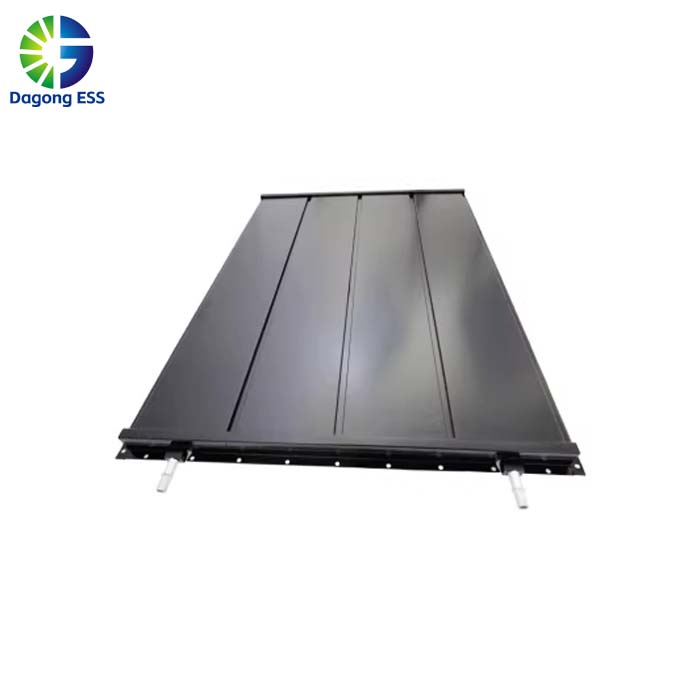
The Lithium Battery Pack Liquid Cooling Plate is a key thermal management component designed for energy storage systems (ESS). It efficiently transfers heat from lithium battery packs through internal liquid channels, maintaining stable operating temperatures and improving system safety. Manufactured with high-quality aluminum alloy, this liquid cooling plate supports customized designs to meet different ESS battery pack structures and cooling requirements.
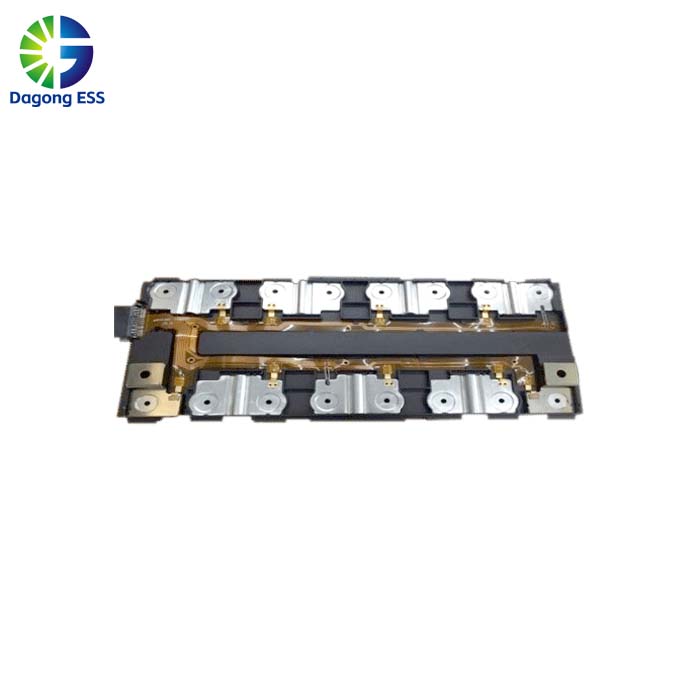
The Battery Cell Contact System with Integrated Busbar is a core electrical connection and signal acquisition component for lithium battery modules in energy storage systems. By integrating busbars, signal circuits, insulation, and structural elements into a single module, it enables reliable cell interconnection, voltage and temperature monitoring, and overcurrent protection. It performs key functions such as cell series and parallel connection, battery temperature sampling, cell voltage sampling, and overcurrent fuse protection, while transmitting these signals to the BMS. As such, it forms an essential part of the Battery Management System architecture.
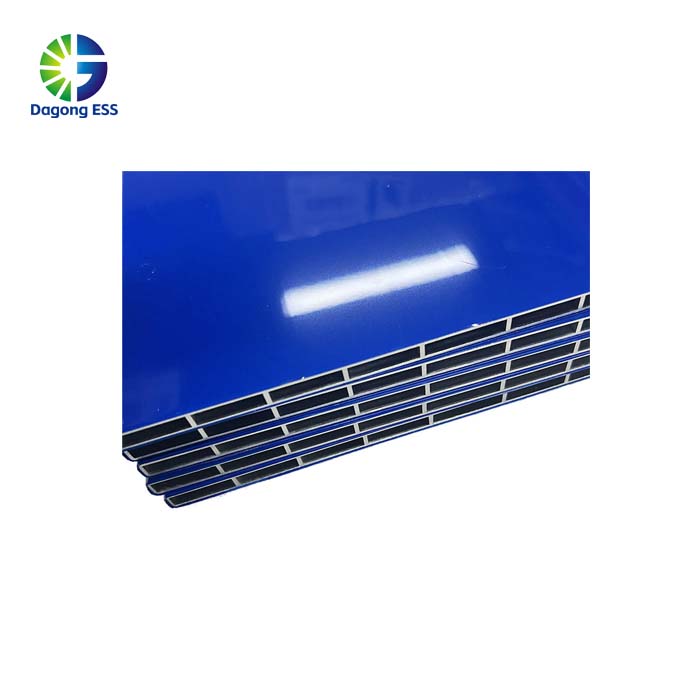
The Lithium Battery Module Heat Dissipation Plate is a key component for insulation and heat management in lithium battery packs. Made from an insulating film and high-quality aluminum alloy, it ensures safety and effective thermal performance. The hollow-carved design reduces weight and improves heat dissipation efficiency. Customizable to fit various sizes and designs, it is perfect for diverse battery module applications.
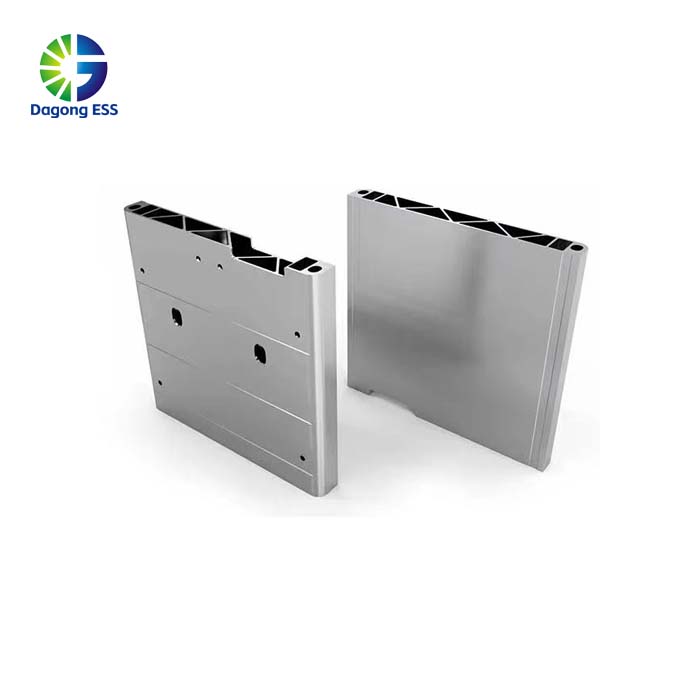
The Lithium Battery Module End Plate is a durable, lightweight component designed to reinforce and protect battery packs while improving heat dissipation. Made from high-quality aluminum alloy, its hollow-carved design reduces weight and enhances cooling efficiency. Available in a standard size of 169×175×19.5mm, it can also be customized for specific applications. This multifunctional, sturdy accessory ensures the stability and longevity of lithium battery packs.
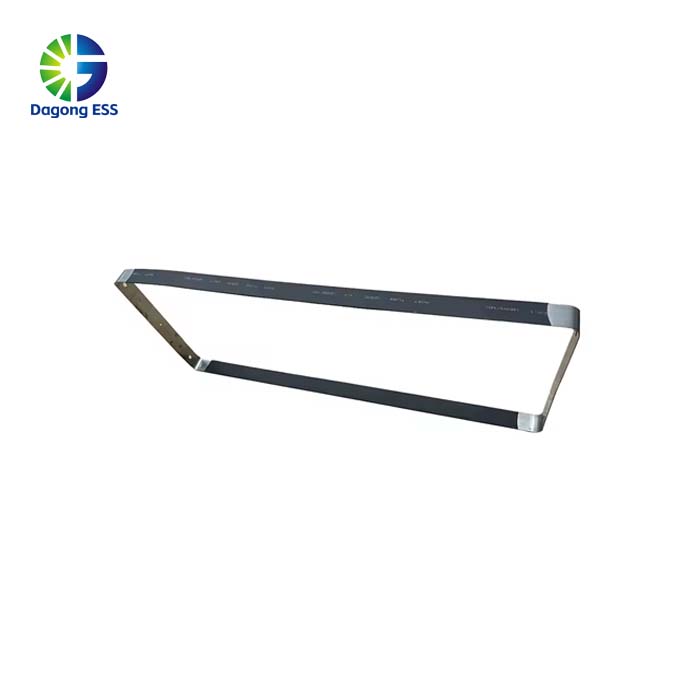
The Lithium Battery Module Stainless Steel Strap(Band) is a durable, high-precision accessory designed to secure battery packs. Made from premium stainless steel (201 or 304 grade), it offers strong structural support for stability and longevity. Using advanced laser welding technology, it ensures precise dimensions with an error of less than ±0.3mm. Customizable to meet various needs, the Strap(Belt) includes heat-shrinkable tubes for improved assembly quality. A free sample is available for customer testing.

Copyright © 2024 By Dagong ESS
 WhatsApp
 sales@dagongess.com
 +8618137952759